The situation on Catalonia’s railways has once again come under the spotlight: tens of thousands of Rodalies passengers started the week facing restrictions and route changes. After a recent fatal accident and heavy rainfall, restoring service has proven more complicated than expected. For many local residents, this means extra hours on the road, transfers to buses, and complete uncertainty as to when regular schedules will return.
Despite assurances from transportation companies about a swift recovery, only two lines—R2 and R2Sud—were operating without restrictions on Monday morning. Disruptions persisted on other routes, and train speeds were reduced due to track damage. The issue is particularly severe on the R1 line, where after a landslide, trains run only as far as Blanes, and passengers have to switch to buses. Stabilization work on this section is ongoing, but no completion date has been set.
Restrictions and replacements
On the R3 line, connecting l’Hospitalet de Llobregat and Puigcerdà, rail service has been completely suspended. For several months now, major work has been underway to double the tracks, and after the latest incidents, buses are covering the entire route. For passengers, this not only means longer travel times but also adapting to new transfer schemes.
The R4 line, where a tragedy occurred in Gelida last January, still has not resumed normal service. On the Sant Sadurní to Martorell Central section, trains have been replaced by buses, and between Terrassa Estació del Nord and Manresa, there is no train service—buses are running instead. Regional routes between Manresa and Cervera are also fully served by road transport.
Infrastructure works
Technical teams continue inspections and repairs across 31 sections of the Rodalies network. Special attention is given to areas at risk of new landslides or erosion—these include coastal routes and sections with numerous embankments and slopes. Over the last few days, more than 400 site checks have been carried out, with safety measures strengthened after each inspection as needed.
On certain lines, such as between Reus and Riba Roja d’Ebre as well as Reus and Vinaixa, train service has been temporarily replaced by buses. A similar situation is seen between Reus and Plana Picamoixons. Authorities promise that as reinforcement work on the tracks and slopes is completed, services will gradually be restored.
Impact on passengers
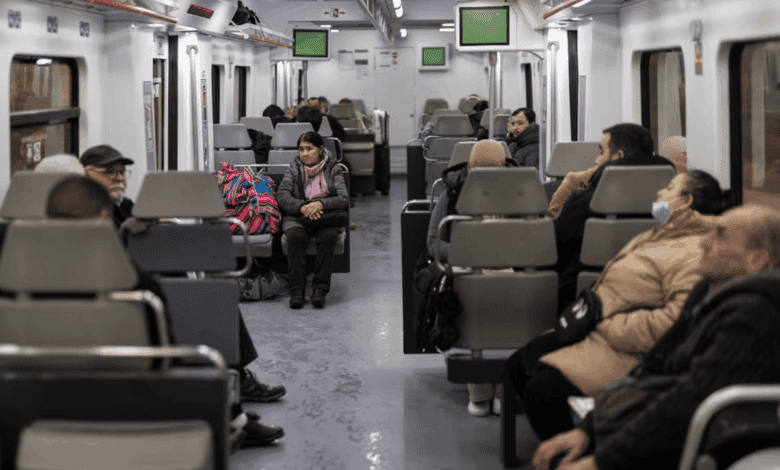
For Catalonia residents, these disruptions mean not only inconvenience but also extra time and effort. Many have to rethink their routes and plan travel accounting for transfers and delays. The situation is particularly challenging for those who rely on commuter trains daily for work or study.
In recent weeks, transport companies have faced criticism for insufficient communication with passengers and a lack of clear timelines for restoring service. Despite efforts to organize alternative routes, many report that buses are not always able to handle the passenger flow, and timetables often change at the last minute.
Context and consequences
Such disruptions on the Catalonia railways are not new. In recent years, the Rodalies infrastructure has repeatedly faced challenges due to natural disasters, accidents, and track wear. In 2024, heavy rains already caused mass train cancellations, and in 2025, lengthy modernization works affected several lines. Each time, recovery has taken weeks or even months, sparking passenger frustration and renewed calls for large-scale investment in upgrading the railway network.