A serious accident on the EX-102 highway in the province of Cáceres was one of the most tragic events of the recently ended Holy Week in Spain. The impact of this incident affected not only the families of those involved but also the entire road safety system of the region. With increased traffic as residents returned to major cities after the holidays, such incidents highlight the vulnerability of road infrastructure and the need for constant enforcement of traffic regulations.
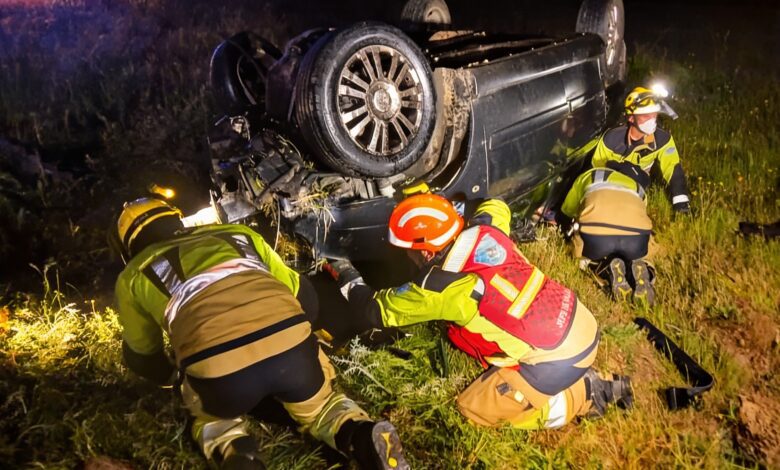
According to El Pais, the collision occurred around 11:30 PM at kilometer 14 of the EX-102 in the municipality of Abertura, part of the judicial district of Logrosán. As a result of the head-on crash between two passenger vehicles, three men aged 33, 42, and 66 died at the scene. A woman who was in one of the cars sustained severe multiple injuries and was urgently transported to Don Benito-Villanueva de la Serena Hospital in the neighboring province of Badajoz.
Incident details
Several emergency teams quickly arrived at the scene: a medical team from Miajadas, advanced and basic ambulance crews, and a standard ambulance. Members of the Guardia Civil, firefighters from SEPEI Cáceres, and the road service for highway EX-102 joined the response. According to the UNIS road safety unit of the Guardia Civil, the causes of the collision are currently under close investigation. Authorities are considering that heavy traffic and driver fatigue after the holidays may have played a role.
This fatal crash became the fourteenth road tragedy in Extremadura in 2026. According to russpain.com, the number of such incidents in the region remains consistently high in recent years, despite efforts to modernize the road network and tighten enforcement of traffic regulations. That same evening, El Pais reported numerous traffic jams and accidents across Spain’s roads, especially on routes into Madrid and in other areas where Monday was a public holiday.
Emergency response and aftermath
Regional authorities emphasize that such tragedies require not only technical solutions but also improved driving culture. Emergency services noted that a swift response and coordinated actions helped minimize the consequences for survivors. However, despite their promptness, it was not possible to save the lives of all those involved in the accident. Among the injured was a woman who required urgent hospitalization and prolonged treatment.
According to El Pais, accidents were also recorded the same day on key highways: Madrid entry routes (A-2, A-3), in Valencia (A-3 at Requena), in Toledo (A-4, A-42), as well as on roads in Albacete, Castellón, Murcia, and other regions. This confirms that the period of mass returns after holidays is traditionally linked to an increased risk of traffic accidents. Looking back at previous cases, it’s notable that not only highway accidents cause mass injuries: for example, the incident with the ceiling collapse in a Benidorm hotel also resulted in numerous injuries and sparked widespread discussion about safety issues.
Context and statistics
In recent years, Spain has seen a steady increase in the number of road accidents during periods of mass population movement. Easter and Christmas holidays, as well as the summer vacation season, are traditionally marked by a spike in traffic accidents, requiring heightened vigilance from authorities and drivers. In 2026, the number of road fatalities in Extremadura alone has reached 14, raising concerns among experts and the public.
Recalling similar incidents, it is worth noting that major accidents with several fatalities and dozens injured were also reported last year in Andalucía and Cataluña. Authorities are continuing to implement new measures to reduce accidents, including the installation of additional speed cameras, improved road markings, and better driver information about weather and traffic conditions. However, practical experience shows that human error and fatigue after long journeys remain key factors in road tragedies.