The large-scale farmers’ protest in Madrid became a significant event for all the city’s residents. The unexpected appearance of tractors in the city center disrupted daily life, sparked lively discussions, and drew attention to the challenges facing the agricultural sector. For many Spaniards, this protest served as a reminder of the close connection between the city and the countryside, as well as how quickly familiar routines and plans can change.
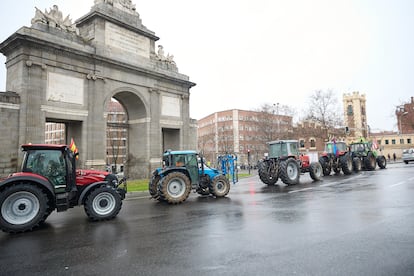
From early morning, columns of tractors began moving toward the center of Madrid. The first vehicles arrived at the Puerta de Toledo, where they were met not only by fellow protesters but also by surprised passersby. As the procession made its way through the city’s streets, more participants joined in, and groups of city dwellers gathered on the sidewalks to watch the unfolding events. The atmosphere on the streets was tense but also filled with solidarity: many people applauded the farmers, showing their support for their demands.
The movement of tractors along Vía Lusitania and further along the main arteries of the capital drew heightened attention from police and journalists. Drivers of cars and public transport were forced to change their routes, and some streets were completely blocked off. In the city center, at Plaza de Colón, the main group of protesters gathered. Here, the farmers held a rally, discussing their issues and sharing experiences with colleagues from other regions.
The city and the protest
The appearance of agricultural machinery in the heart of Madrid posed a real challenge for the city’s infrastructure. Drivers and pedestrians encountered unusual obstacles, while security services operated in heightened mode. Despite the inconveniences, many capital residents showed understanding and even sympathy toward the protest participants. On some stretches, passersby greeted the tractor drivers with applause, and children watched the enormous machines with fascination.
The visual contrast between the modern urban environment and the agricultural machinery was particularly striking against the backdrop of historic buildings and bustling squares. Photos of tractors near architectural landmarks quickly spread across social media, sparking a lively response. For many, the day became a symbol of unity and mutual support among different segments of society.
The protest organizers stressed that their goal was not only to draw attention to the problems of farmers, but also to remind everyone of the importance of agriculture for the entire country. During the rally, there were calls for dialogue with the authorities and for finding solutions that could improve farmers’ situation.
Reaction and aftermath
A mass march of tractors through the central streets of Madrid sparked mixed reactions among residents and business owners. Some voiced frustration over traffic jams and temporary movement restrictions, while others supported the protesters, viewing their demands as justified. Social media buzzed with active discussions about the reasons behind the demonstration and its impact on city life.
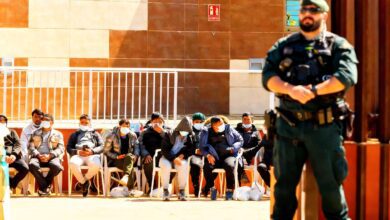
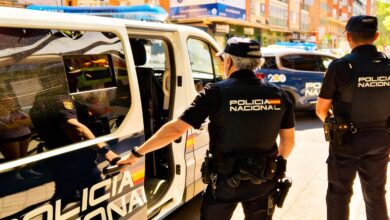
The police and city services had to respond swiftly to the changing situation. Temporary traffic restrictions were introduced, and security measures were heightened in crowded areas. Despite the difficulties, no serious incidents were reported, and the protest itself remained peaceful.
For many residents of the capital, this day served as a reminder that agricultural problems affect not only rural areas but also major cities. Issues of food security, product prices, and farmers’ working conditions once again became the focus of public attention.
Context and analogies
In recent years, Spain has repeatedly become the scene of large-scale protests by farmers. Such demonstrations have taken place in Barcelona, Valencia, and other major cities, where farmers demanded a review of pricing policies and state support. In 2024, a similar tractor convoy brought traffic in Seville to a standstill, and in 2025, mass rallies occurred in Andalusia and Galicia. Each time, these events sparked public debates about the future of agriculture and the role of farmers in the country’s economy. The surge in farmers’ activity points to deep-rooted sector problems that require comprehensive solutions at the national level.