Railway safety is once again in the national spotlight following recent tragedies on the Madrid-Seville and Rodalies lines. Spaniards are demanding answers: who is to blame for the accidents that claimed dozens of lives, and what will be done to prevent similar disasters in the future? The Senate has become a stage for heated debates, with the Minister of Transport under close scrutiny not only from politicians but also from the public.
Senate Under Scrutiny
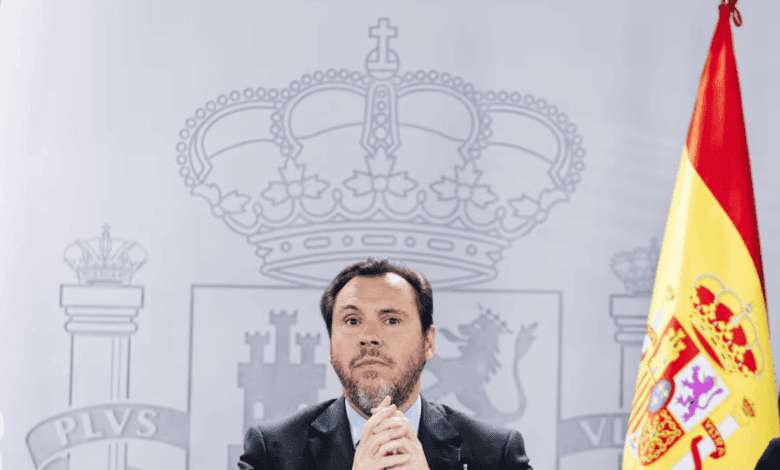
On Thursday, Transport Minister Óscar Puente addressed senators for the first time since the disasters in Adamuz (Córdoba) and Gelida (Barcelona). In recent weeks, he has already held several lengthy press conferences and given a number of interviews, but this appearance became a pivotal moment—his political reputation and public trust in the rail system were at stake.
Two tragic incidents resulted in the deaths of 46 people and left another 164 injured. Among the victims was a Rodalies passenger. Public distrust of the official accounts is rising, and preparations for the Senate hearings took place under heightened secrecy. The minister made it clear in advance: if the investigation reveals negligence, everyone will be held accountable, regardless of their position. Meanwhile, the opposition is already demanding his resignation, accusing him of poor oversight and management errors.
Details of the Investigation
The minister was expected to present new evidence regarding inspections on the hazardous stretch of the Madrid-Seville line. Puente gave a detailed account of the events in Adamuz, where a high-speed Iryo train derailed on the evening of June 18. The timeline of the incident and the actions of Adif and Renfe control centers have raised numerous questions: why did several minutes pass between the collision and reporting the information to emergency services? Official accounts differ, and the actions of the management centers have come under criticism.
Special attention has been paid to the technical aspects: the investigation is focused on the rail joint, connecting sections manufactured in 1989 and 2023. According to one version, this is where a critical failure could have occurred. The minister stated that inspections using ultrasound and special fluids were conducted in June and January, but no defects were found. Nevertheless, questions remain about the quality of the work and oversight of contractors.
Economy and accountability
A new round of debate has erupted over infrastructure investments. Puente recalled the large-scale modernization program for the line, with a budget of 780 million euros. However, the opposition is using these statements to criticize shortcomings in the project’s implementation. Specifically, on the Guadalmez-Córdoba subsection (including Adamuz), the entire rail strip was not fully replaced—only the curved segments, which are considered the most vulnerable spots.
More than ten companies took part in the project, including Arcelor Mittal (rail supplier), Maquisaba (welding work), and major construction firms such as Ferrovial, OHLA, FCC, and Azvi. The ministry emphasizes that all work underwent inspections, but the investigation is ongoing, with the Civil Guard and the Railway Accident Investigation Commission (CIAF) also involved.
Public reaction
While the Senate debates continue, public discussions about who should be held responsible for the tragedies remain heated. Train drivers and passengers continue to complain about the state of the tracks and insufficient safety measures. The ministry has promised to accelerate the modernization of the Madrid-Barcelona line to prevent similar incidents in the future.
On the eve of the hearings, a new royal decree was issued providing assistance to victims and families of those killed in the Adamuz and Gelida accidents. However, for many Spaniards, this is not enough—they expect not only compensation but also real changes to the railway control and management system.