The evening in Adamuz began like any other, but ended in a tragedy no one could have foreseen. Two trains, traveling in different directions, collided on a stretch near the town. In a matter of minutes, the usual quiet of the railway station gave way to the urgent sound of sirens and cries. Locals, unable to believe their eyes, watched as firefighters, medics, and police rushed to the scene. Panic hung in the air, and fear and confusion were visible on people’s faces.
The first hours after the disaster were a true test for everyone. Rescuers worked in complete uncertainty: no one knew the exact number of victims, and mangled metal made access to the carriages difficult. Doctors provided emergency care right on the tracks, while volunteers brought water and blankets. At that moment, the town seemed to hold its breath, waiting for news about the fate of the passengers. Every phone call could bring relief—or another surge of despair.
Night of anxiety
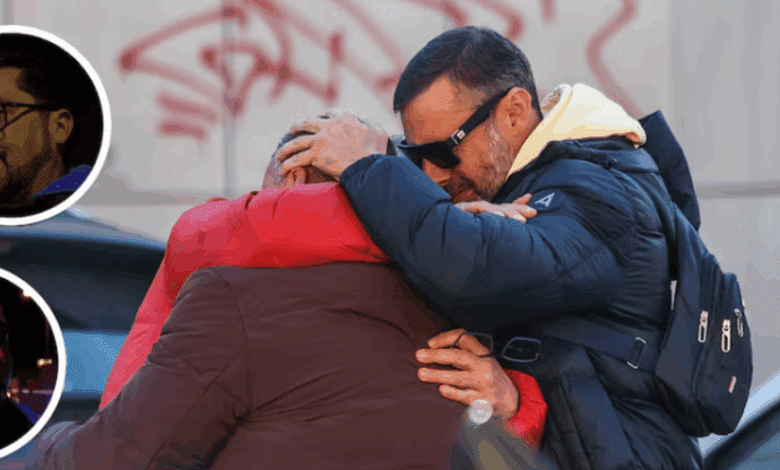
As darkness fell, the situation did not get any easier. Relatives and friends of those who might have been on the trains gathered near the accident site. People stayed despite exhaustion and cold. Authorities set up a temporary headquarters to collect information about passengers and coordinate emergency services. Doctors and psychologists worked nonstop, doing their best to comfort those waiting for news of their loved ones.
Rail traffic in the region was paralyzed during this time. Trains were canceled one after another, and confused passengers crowded the stations. Many could not believe that an ordinary trip had turned into a tragedy of such scale. Rumors and unverified information spread rapidly across social media, only adding to the tension.
The morning after the crash
With the first light of day, teams began clearing the debris at the scene. Rescue workers searched for survivors, while engineers assessed the damage to the infrastructure. Authorities pledged a thorough investigation into the cause of the collision, but for the residents of Adamus, this was little comfort. The city woke up changed: its streets were empty, and every conversation centered on just one topic—the railway tragedy.
Doctors in Córdoba and nearby towns continued fighting for the lives of the injured. Some remained in critical condition, and their fate was still unknown. Meanwhile, local authorities declared a period of mourning, and black ribbons appeared on buildings. The city grieved, but refused to give up: volunteers organized aid for the victims’ families, and residents brought flowers to the site of the crash.
Aftermath and response
Just 24 hours had passed, yet the aftermath of the disaster was already felt in every aspect of life. Railway officials faced criticism for inadequate safety measures, while authorities promised to review their protocols. In schools and workplaces, everyone discussed only one topic — how such a tragedy could happen and who was to blame. Officials called for calm, but emotions were running high.
For many Adamus residents, this day became the hardest of their lives. A city long known for its tranquility had found itself at the heart of a national tragedy. People came together to support each other, but the questions remained unanswered. Ahead lies a long road to recovery and the search for justice.