The inclusion of two little-known Spanish locations in the list of the world’s top destinations for 2026 may change familiar travel routes and influence the country’s cultural reputation. The decision by international experts to highlight unconventional places rather than traditional tourist centers underscores the growing interest in authentic and unique experiences. For Spaniards, this is an opportunity to look at their heritage from a new perspective and draw attention to corners that have long remained in the shadows.
This year, the prestigious ranking featured a museum in Madrid and a district in Barcelona that have rarely attracted mass tourism before. Both sites are set to become magnets for those seeking more than standard tours and familiar landmarks.
The museum after renovation
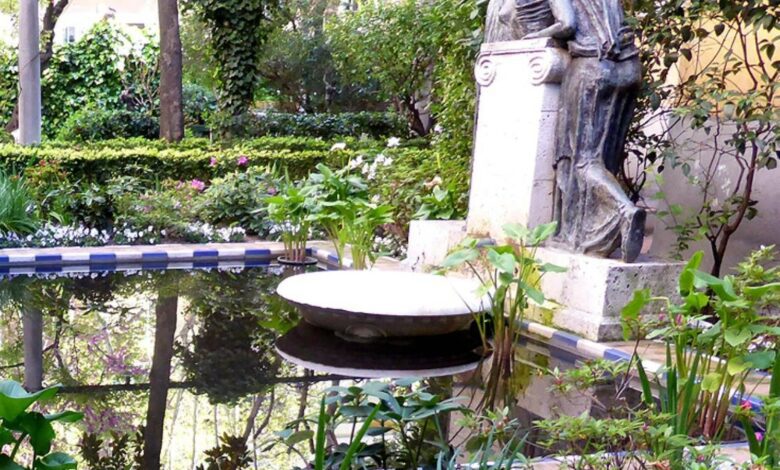
In the Spanish capital, attention was drawn to a former artist’s residence transformed into a museum, maintaining the unique atmosphere of the early 20th century. The master’s studio and personal belongings have been preserved here, along with the original interior, furniture, ceramics, and sculptures that inspired his creativity. A special place is given to the garden, designed by the artist himself, where water, light, and greenery create a distinctive ambiance reminiscent of Andalusian palaces and the patios of Granada.
The museum is currently closed for extensive renovations, but it has already been announced that it will reopen to visitors in 2026. After the upgrade, guests will be able to see an expanded exhibition and gain access to halls that were previously inaccessible. This museum is expected to become one of the main cultural events of the year, and its collection of artworks and household items will offer a fresh perspective on the artist’s creativity and personality.
The return of masterpieces
A key part of the cultural program will be the return to Spain of more than two hundred works that have been abroad for a long time. These pieces will be featured in a special exhibition in Valencia, giving the event national significance. Many of these paintings have not been on home soil for over a hundred years, and their return will attract the attention of both experts and the general public.
In Madrid, visitors will be able to explore the most comprehensive collection of the artist’s works: nearly two thousand paintings, thousands of drawings, as well as decorative art objects, photographs, and archival documents. Among the most prominent exhibits are the renowned portraits, seascapes, and scenes from the lives of various regions of the country, created for American collections.
Barcelona’s transformation
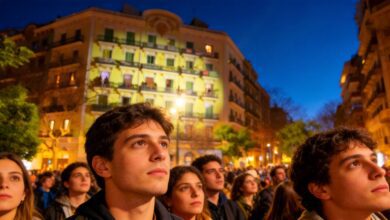
The second Spanish location highlighted in the ranking is a district of Barcelona that has undergone significant changes in recent years. Contemporary art is booming here, with new creative spaces emerging and street artists transforming city walls into open-air galleries. This district has become a symbol of urban transformation and cultural renewal, drawing the attention of both tourists and local residents.
The transformation in Barcelona goes hand in hand with the growing interest in local initiatives and new forms of cultural leisure. Local authorities support projects aimed at preserving historical heritage and developing creative industries. As a result, the district has become a platform for experimentation and bold ideas, making it especially appealing to those seeking fresh experiences.
Spanish art in the spotlight
The choice of these two destinations reflects a trend toward seeking authentic and profound cultural experiences. Tourists are increasingly turning away from standard routes in favor of unique places where they can feel the atmosphere of the past and witness contemporary art in action. For Spain, this is an opportunity to strengthen its image as a center of cultural innovation and historical heritage.
In recent years, new cultural venues have been appearing more and more often in Spain, quickly gaining popularity among locals and visitors alike. For example, in 2024, a contemporary art gallery opened in Sevilla, drawing significant public interest. Valencia recently hosted a street art festival that brought together artists from all over Europe. Such events help boost domestic tourism and offer a fresh perspective on the country’s cultural landscape.