Madrid’s inclusion in Uber’s global plans to introduce autonomous vehicles could transform the landscape of urban transportation in Spain. The American company’s decision promises not only a leap in technology but also new challenges for the capital’s transport infrastructure. In the coming years, Madrid residents will witness the arrival of the first driverless cars on city streets, which will inevitably impact the taxi market and local commuting habits.
Uber has officially announced its intention to launch its autonomous vehicle service in Madrid, making the city one of Europe’s key hubs for testing and deploying robotaxis. This move surprised many, as such technologies have so far been implemented on a large scale only in select cities in the US and the Middle East. Now, the Spanish capital has found itself at the center of attention among global tech giants fiercely competing for leadership in autonomous transportation.
Race for leadership
Uber aims to outpace competitors—Waymo (a Google subsidiary) and Tesla—in building the world’s largest network of autonomous vehicles by 2029. The company is already testing and rolling out robotaxis in cities like Austin, Atlanta, Dallas, Dubai, and Phoenix. Upcoming plans include expansion into the markets of Hong Kong, Zurich, and London. Madrid has become the first Spanish city chosen for a large-scale launch, highlighting the region’s strategic importance for Uber.
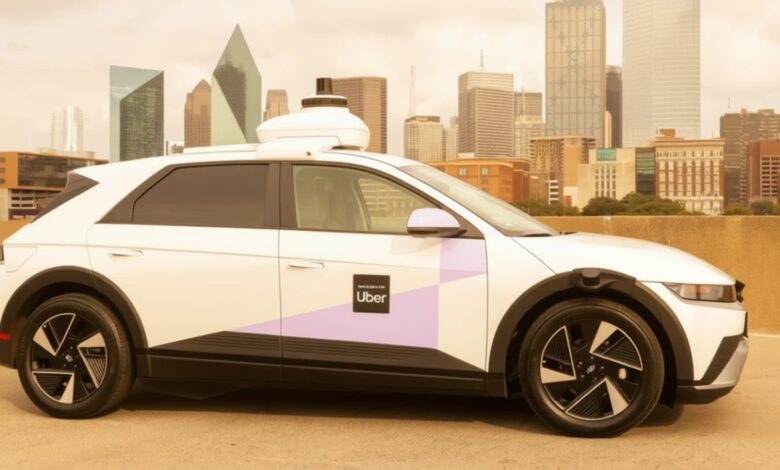
To implement the project, the company collaborates with leading automakers and technology providers. In various cities, Uber uses Hyundai vehicles and recently introduced new versions of robotaxis based on Mercedes and Lucid. In certain locations, users can already order Waymo cars through the Uber app, demonstrating the platform’s flexibility and readiness to integrate diverse technological solutions.
Initial trials
The rollout of autonomous vehicles in Madrid will occur in stages. At the initial phase, every car will have a safety driver who can take control in case of an emergency. This approach minimizes risks and ensures passenger safety during the early stages of operation. In cities where the service is already active, such as San Francisco, driverless taxis have become a routine part of traffic, and residents quickly adapted to the new reality.
Uber has set an ambitious goal: to build a fleet of 20,000 autonomous vehicles by 2029. This will not only strengthen the company’s market position but also offer residents of major cities an alternative to traditional taxis. In the long run, this could lower ride costs and help reduce congestion, provided the technology continues to develop successfully.
Financial results
Amid technological advancements, Uber continues to post impressive financial results. Over the past year, the company reported record net profit exceeding $10 billion, up 2% compared to the previous period. Revenue grew by nearly 20%, despite rising expenses and a drop in quarterly profits due to increased costs and the end of tax incentives.
However, despite this positive trend, the market reaction was subdued. Uber’s shares fell by 5.5% following the release of the report, due to investor expectations and increased operating expenses. Nevertheless, the company’s management notes that both the number of users and rides continue to grow, and the launch of new services, such as autonomous vehicles, is expected to strengthen Uber’s position in the long term.
Context and trends
The emergence of autonomous vehicles on the streets of European cities is becoming increasingly noticeable. In recent years, similar projects have been launched in London, Paris, and Berlin, where local authorities actively support innovation in transportation. In some cities in Asia and the US, robotaxis already transport thousands of passengers daily, while competition among technology companies is driving rapid improvements in safety and navigation systems.
Interest in autonomous transportation is growing in Spain, especially as traffic congestion and air pollution worsen. The introduction of driverless vehicles is seen as one way to modernize urban transport and improve efficiency. In the coming years, new players are expected to enter the market and similar services are likely to expand to other major cities across the country.