In northern Spain lies one of the most breathtaking mountain landscapes, serving both as a natural border and a link between La Rioja and Castilla y León. Its peaks soar above two thousand meters, while dense forests of beech, oak, and pine shelter stone villages and glacial valleys that evoke a distant past. This corner of the Iberian mountain system has preserved its pristine, wild character, captivating every traveler. It is known as the Sierra de la Demanda.
For centuries, this region has been the stage for major historical events. Here you’ll find the famous archaeological site of Atapuerca, whose fossil remains have shed light on human evolution in Europe. During the Middle Ages, Sierra de la Demanda formed a frontier zone between Christian and Muslim kingdoms—the line where two worlds marked their territories on no-man’s-land at the height of the Reconquista. This isolation shaped the unique identity of Castile, which was born among these mountains.
A turning point came with the rise of spiritual and cultural influence from the Silos Monastery, which transformed the area into a center of power and learning. Under its protection, towns flourished, roads were built, and new sanctuaries rose, turning the mountain range into a place where history, faith, and nature are deeply intertwined. Without a doubt, it is a true treasure that invites you to explore it slowly and with wonder.
Ezcaray is the perfect starting point to explore the Rioja side of the mountain range. It’s a lively year-round town with cobbled streets, excellent gastronomy, and the Valdezcaray ski resort at the foot of San Lorenzo, the highest peak in La Rioja (2,271 m). Nearby, villages like Valgañón stand out, where you’ll find one of the most remarkable holly groves in northern Spain.
The route can continue through Santo Domingo de la Calzada, one of the iconic stages of the Camino de Santiago, known for its majestic cathedral and living traditions. Further east, San Millán de la Cogolla is a must-stop, home to the Suso and Yuso monasteries, both UNESCO World Heritage Sites and considered the birthplace of the Castilian language. Nestled among gorges, Anguiano offers wild landscapes and the famous Stilt Dances—one of La Rioja’s most unique traditions.
Hiking is one of the best ways to discover the Sierra de la Demanda. Climbing San Lorenzo peak is a circular route of 9.25 kilometers with an elevation gain of over 900 meters, starting from the Valdezcaray parking area. The trail passes through La Cuña and Cabeza Parda to the summit, offering panoramic views from the Pyrenees to the Central Cordillera.
A more relaxed option begins in the tiny village of Asarrulla. The trail crosses the stream seven times via characteristic wooden bridges. This route is well-marked and lets you enjoy a forest of pines, beeches, and hollies without any serious physical exertion. It’s perfect for families or anyone looking for a leisurely walk in pristine nature.
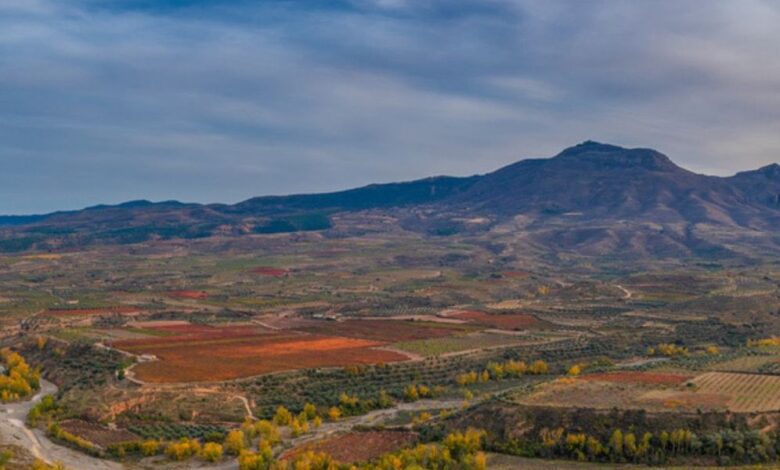
The Sierra de la Demanda hides unique spots where you can enjoy charming villages and landscapes tinted with the special colors of autumn. Travelers can also visit the glacial lakes of Neila—a collection of sparkling waters reflecting the untouched beauty of these mountains. Around them, you’ll find remnants of ancient forges, early medieval necropolises, and villages with traditional architecture reminiscent of the lives of shepherds and blacksmiths. This is a place where history and nature exist in harmony, and every trail leads to a new discovery in the very heart of La Rioja.