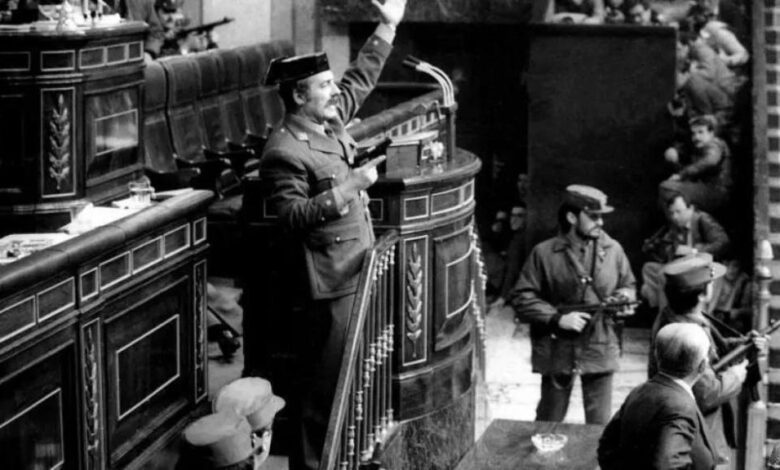
The decision to declassify archival materials related to the attempted coup d’état on February 23, 1981, could become one of the most talked-about events in recent years for residents of Spain. The anticipation of access to previously restricted documents has sparked interest not only among historians but also among those who remember the tense atmosphere of that era. The country’s authorities believe that the publication of these materials will shed light on previously unknown details and help resolve longstanding disputes over events that changed the course of Spanish democracy.
For many years, information about the actions of key participants and the circumstances surrounding the attempted seizure of power remained out of reach for the general public. Now, with the government announcing its readiness to disclose this data, there is an opportunity to learn what decisions were made behind closed doors and how events unfolded during those critical hours. According to RUSSPAIN.com, this move may influence how recent history is perceived and spark new debates about the role of different political forces during that period.
Historical context
The attempted coup on February 23, 1981 (23-F) was one of the most dramatic moments in Spain’s modern history. On that day, a group of military and civilian conspirators tried to seize power, sparking nationwide tension. The intervention of King Juan Carlos I and decisive actions by parliament helped preserve the democratic system. However, many details of those events have remained unknown due to restricted access to official materials.
Declassification of documents could provide answers to questions that have been debated for decades. It is expected that the new information will offer fresh insight into the motivations of those involved and reveal the forces behind the coup attempt. For many Spaniards, this is not just a matter of historical curiosity, but also a chance to rethink their own past.
Impact on society
The opening of archives may spark widespread public reaction. There is already discussion about how the new revelations might affect perceptions of key figures of the era and the assessment of government institutions. Some experts believe that publishing these documents could help strengthen public trust in the authorities by demonstrating a willingness for transparency and an honest dialogue with society.
At the same time, it is possible that the emergence of new facts will spark debates and may even lead to a reassessment of certain historical perspectives. In Spain, there are still people for whom the events of 23-F are a part of their personal history. For them, the opening of the archives could be an emotional challenge, but also a step towards understanding the complex processes that took place in the country in the early 1980s.
Similar events
In recent years, Spain has already made attempts to disclose archival materials related to significant historical events. For instance, documents on the death of Francisco Franco and investigations into the activities of security services during the transition period have previously been made public. Each time, such revelations sparked lively debates and encouraged new research. This time, high public interest is also expected, with long-term consequences anticipated.