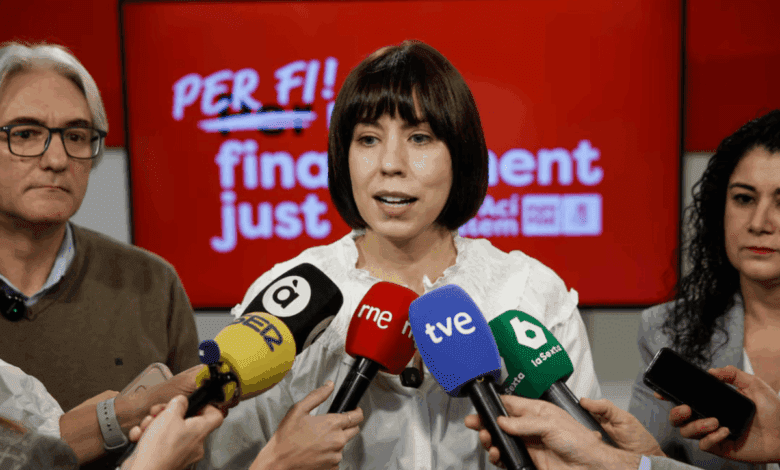
A heated debate is unfolding in Valencia over the reform of how state funds are distributed among autonomous communities. Leaders of the region’s two largest unions — CC OO PV and UGT PV — together with business representatives, have called on the regional authorities not to miss their chance to change the unfair funding system that has left Valencia among the least funded regions for years.
Recent meetings between unions, politicians, and business leaders have sparked strong statements. The unions insist: Valencia must not close itself off from Madrid’s proposals, even if they are far from perfect. They believe the region now has a unique opportunity to secure a fairer redistribution of resources — and that means improving residents’ quality of life and strengthening the economy.
Common front
After talks with political leaders and business elites, unions and employers issued a joint statement. They are demanding calm, honest debate among all political forces and autonomous communities to refine the proposed funding model. The main goal: to ensure equal conditions for all regions, so that none are left at a disadvantage.
The document notes that the new scheme is a step forward compared to the current one, but it does not solve all the problems. In particular, Valencia still risks remaining among the underfunded regions if its specific needs and accumulated debts are not taken into account.
Money and debt
According to ministry estimates, by 2027 Valencia could receive almost 3.7 billion euros more than in 2023. These funds could provide significant support for social programs, healthcare, education, and business development. However, unions and business leaders warn that without restructuring the region’s debt, a large portion of new income will go toward servicing old loans instead of addressing the real needs of residents.
They are calling for a temporary compensation fund to help the region through the transition period until the new system is implemented. In addition, there are calls for partial cancellation of historical debt that accumulated due to years of unfair resource distribution. Without these steps, Valencia officials believe any reforms will be incomplete.
Political tensions
A real political battle has erupted within the region. Some accuse the government of using the reform as an election tool, while others say the opposition is deliberately blocking any changes for their own interests. The debate is rife with ironic remarks, accusations of populism, and attempts to frame opponents as enemies of the region’s residents.
The Minister of Science and leader of the Valencia socialists (Diana Morant) criticized the regional president for demanding compensation without supporting the actual reform. According to her, the ruling party prefers political confrontation to real measures aimed at improving the lives of Valencians. In response, the opposition claims that the new scheme only benefits select regions, while Valencia stands to lose out once again.
The Case for Compromise
Trade unions and business leaders insist it’s time to abandon extreme stances and seek compromise. They urge politicians at all levels to prioritize the region’s future over party interests. Otherwise, Valencia risks missing a rare opportunity to change its financial trajectory.
At the same time, union representatives emphasize that even if it’s impossible to achieve everything at once, incremental solutions should not be discarded. It’s important to secure political consensus on key issues and then work step by step to fully eliminate inequality. Otherwise, the region will once again be forced to settle for whatever is left in the budget allocation.
Looking Ahead
A recurring point in the debate: if the new system doesn’t guarantee at least the national average level of per capita funding for Valencia, the region won’t be able to close the gap. This will impact not only the economy, but also the quality of healthcare, education, and infrastructure. As competition between autonomous regions intensifies, Valencia cannot afford to remain perpetually behind.
For now, both sides continue to trade accusations and demands. But one thing is clear: the issue of fair funding for the region has become not just an economic matter for Valencia, but also a political and even symbolic one. The way this issue is resolved will determine not only the region’s future, but also the balance of power in Spanish politics.