A new chapter in university governance has begun at Universidad de Sevilla, one of Spain’s largest educational institutions. For the first time in over two decades, the head of the university will be chosen not by a select group of representatives, but by the entire academic community. At stake is the position of rector, with seven candidates in the running.
This time, the rules have changed: every student, professor, and staff member now has a direct say in the outcome of the vote. This new approach replaces the previous system, where only the university senate made the decision. The model marks a step towards greater transparency and engagement—crucial for a community of around 119,000 people, including 60,000 students.
Seven candidates, two strategies
The contenders include insiders from the current administration as well as fresh faces with no ties to the outgoing leadership. Four candidates have held high-ranking positions under the departing rector, while three others promise a new perspective and change. The campaigns are focused on faculty autonomy, transparency in management, financial stability, and expanding student rights.
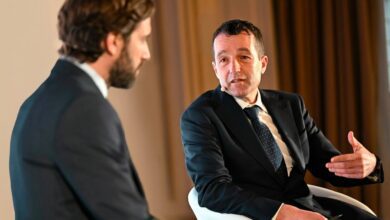
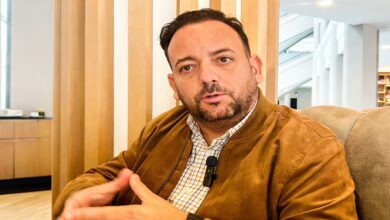
Particular attention is focused on two candidates who, according to observers, have the best chances of taking the lead. One is a microbiology professor representing continuity with the current course, while the other is a former dean of the dental faculty advocating for radical change. The other contenders—specialists in psychology, engineering, business, journalism, and law—are also actively campaigning, emphasizing issues most relevant to the university.
Student engagement and new challenges
For the first time in the university’s history, students have been given the chance to directly elect the rector. This event has stirred excitement among the student body, though the level of involvement varies by faculty. Many candidates have focused on engaging with young people, incorporating into their platforms issues important to students, from grading systems to learning conditions.
Debates between the candidates, held at the end of October, set a real precedent for the university. The discussions covered topics such as faculty employment, decentralization of management, reduction of bureaucracy, and greater transparency. These are issues of concern not only to students but also to faculty, for whom the outcome of the election could mean changes in working conditions.
A second round and a new term are possible
If none of the candidates secures an absolute majority, a runoff between the two frontrunners will be held two weeks later. The winner will receive a six-year mandate—longer than before, when the term of office was four years. The new rector will be tasked with implementing financial agreements with regional authorities and developing new academic programs so that the university can compete with private institutions.
The outcome of this election could set an example for other Spanish universities and establish a new benchmark for transparency and participation across the country’s higher education system.