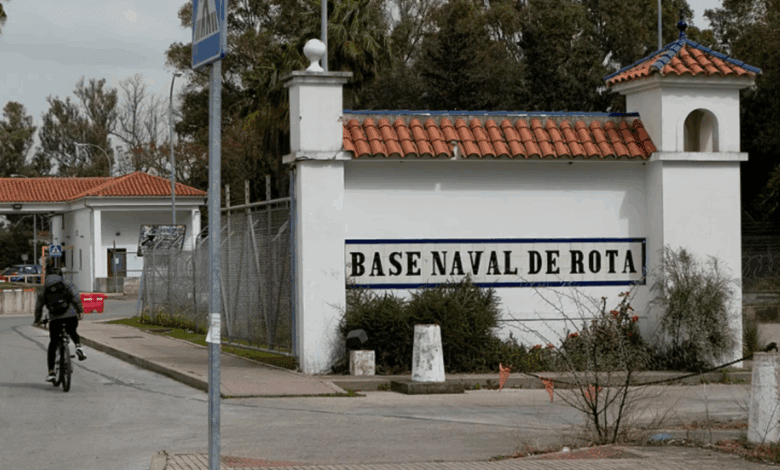
Spain has found itself at the center of international attention following a series of military operations related to the Middle East conflict. Between February 27 and March 5, unusually high military aviation activity was observed at the Rota and Morón bases. This development is significant for the country, as it directly affects issues of national sovereignty and international commitments, and could influence relations with allies and neighboring states.
According to RUSSPAIN.COM, at least 40 military aircraft takeoffs and landings linked to operations in the region were recorded within a week. Of particular note are 24 combat aircraft that departed from Spanish bases, making stopovers in Germany and Italy. This route helped avoid directly violating Spain’s official stance, which did not permit its bases to be used for offensive actions against Iran. Nevertheless, despite statements from Madrid, the US military utilized Rota and Morón infrastructure as a key logistical hub for transferring equipment and personnel.
Logistics and strategy
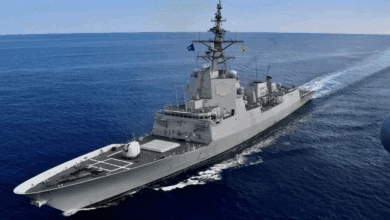
In recent days, Spanish bases saw significant activity spikes, indicating a meticulously planned logistical operation. Besides combat aircraft, the mission involved strategic transport planes and KC-135 Stratotanker refuelers, which provided aerial refueling. This approach allowed the US to maintain a rapid tempo in force deployment without directly involving Spain in the conflict. At that time, about 3,000 American servicemen were stationed in Cádiz, and two destroyers based in Rota had been positioned in advance closer to the potential conflict zone.
The American strategy was to use Spanish bases as transit points, making mandatory stops at other European facilities to formally avoid breaching agreements with Madrid. This enabled Washington to operate swiftly and efficiently without triggering an open diplomatic dispute with Spain. Meanwhile, officials in Madrid continued to emphasize that the country was not participating in offensive operations and was not granting direct authorization for such actions.
The role of European bases
The Ramstein base in Germany played a particularly significant role in this operation, serving as another key link in the force transfer chain. Both combat aircraft and support planes passed through it. In addition, an EA-37B Compass Call electronic warfare aircraft was redeployed to the region, underscoring serious preparations for a possible escalation of conflict in the Middle East.
The use of European bases, including facilities in Italy and Germany, has enabled the US to establish a flexible and reliable logistics network. This has allowed for a rapid response to changing situations and helped maintain a high level of readiness. At the same time, such practices raise questions about transparency and the oversight of allied military infrastructure.
Implications for Spain
The situation regarding the use of Rota and Morón bases once again raises the issue of balancing alliance commitments with national interests. Despite the official stance of the government, the actual use of Spanish territory for military operations could influence public opinion and spark new debates about the country’s role in international conflicts. It is important to note that similar incidents have occurred previously, when allies used Spanish facilities for transit operations—formally without breaching agreements, but effectively involving the country in complex international processes.
In recent years, Spain has repeatedly faced situations where its military bases became part of major international operations. For example, in 2023, Rota and Morón hosted troop and equipment transfers in support of NATO missions in Eastern Europe. These instances also raised debates about transparency and oversight of allied activities. Such events highlight the importance of ongoing monitoring and the clear regulation of national infrastructure use in the country’s interest.