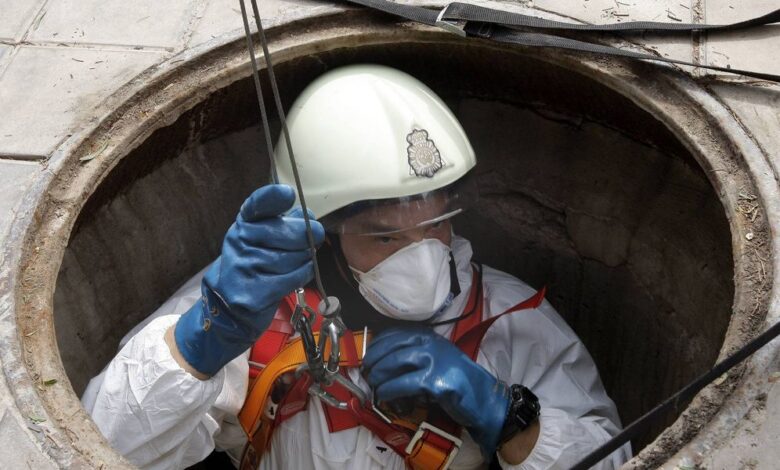
In mid-December, Valencia signed a contract already being called the largest in the city’s history. The city council officially handed over the management, renewal, and maintenance of the entire sewer system to a consortium made up of Acciona, Becsa, and Ciclagua. The deal is worth €281.2 million and will last 15 years. This agreement followed a long and intense tender process involving nearly all the sector’s leading players.
The document was signed by Deputy Mayor Julia Climent and the representative of the consortium led by Acciona, Manuel Civera. To guarantee compliance with the contract, the winner deposited a €12.7 million guarantee into the municipal treasury—a mandatory condition for finalizing the deal.
Competition for the Contract
The selection process was marked by heated debates and complaints. Initially, the best technical score and lowest price were offered by the group Global Omnium, Grupo Bertolín, and ISG. However, their bid was rejected due to its unusually low cost—30% below the market average. Municipal experts concluded the company failed to sufficiently justify such a substantial price reduction and excluded it from the competition.
The consortium of Hidraqua (Veolia), Pavasal, and SAV ranked second based on technical criteria. After Global Omnium was excluded, they became Acciona’s main competitors. Both losing consortia filed complaints with the Central Administrative Tribunal for Contract Disputes under the Ministry of Finance, demanding a review of the tender results and the evaluation of proposals.
Legal Proceedings
The complaints automatically put the contract award process on hold. The City Council was ready to select the winner but had to wait for the tribunal’s decision. In June, the authorities rejected the competitors’ initial administrative objections, but the final decision remained up to the court.
A few weeks later, the tribunal delivered its decision: both complaints were dismissed. The judges found the actions of the municipal commission to be proper and confirmed the legality of the entire application evaluation process. After that, the city authorities were able to complete the procedure and sign the contract with Acciona, Becsa, and Ciclagua.
Background
Acciona had already managed Valencia’s sewer system, but its previous contract expired in January 2024. After that, the city announced a new open tender, allowing almost all major market players to participate. This time, the requirements were tougher and the contract sum was a record high for such municipal agreements.
The contract itself was not without controversy. Previously, it was mentioned in the Azud case investigation, which involved allegations of a possible €1.7 million commission paid to lawyer José María Corbín, a relative of former mayor Rita Barberá. Investigators suspect the money could have been bribes for securing the contract back in 2006.
The Story’s Finale
It remains unclear whether the losing companies will appeal the tribunal’s decision to higher authorities. However, following the verdict, city officials were able to conclude the process and sign the long-awaited contract. Now Acciona, Becsa, and Ciclagua will officially oversee and upgrade Valencia’s entire sewage system for the next 15 years.