The scandal that erupted in the province of Valladolid affects not only forest landowners but also everyone connected to the biomass market and natural resource management. At the center of the controversy is the disappearance of 571 mature pine nut trees (pino piñonero) in the municipality of Hornillos de Eresma, leading to significant financial loss for the landowner. Experts estimate the damage at about €46,000, including the value of the timber and the prized pinecones, which traditionally provide stable income for local residents.
The forest owner, who had entrusted the maintenance of his property to a specialized company, expected a routine sanitary clearing. However, several months later, he discovered that rather than a minor tidy-up, the contractor had cut down more than half of all the trees without proper authorization. This incident sparked extensive debate among experts and the public, as it not only represents a breach of contract, but also highlights possible gaps in the forest logging oversight system.
A sudden twist
According to the investigation, the suspect was hired to conduct forest maintenance on a plot with about a thousand pine nut trees. However, it turned out he not only exceeded his authority but also lacked the necessary license for felling on such a scale. Instead of carrying out sanitary pruning, the contractor organized mass logging and then transported 44 tons of timber to the neighboring province of León, where it was sold to a biomass production facility.
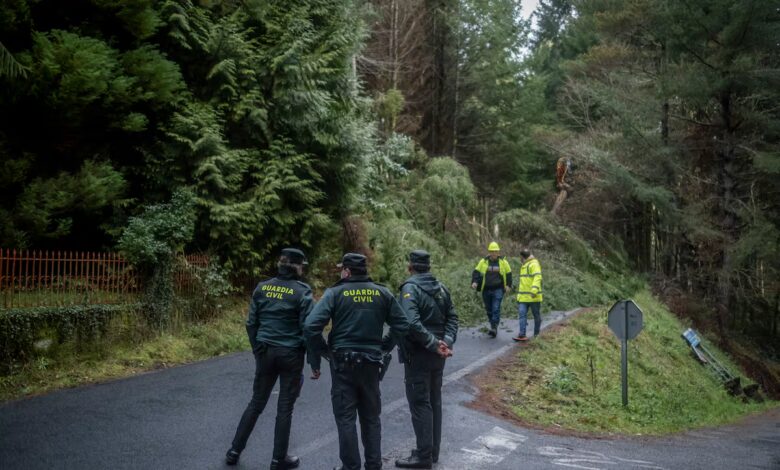
Details of this story emerged after the landowner noticed a significant number of trees missing from his property. An inspection by the Guardia Civil confirmed that the licensed clearing work had not been carried out; instead, illegal logging had taken place. As a result, not only did the owner suffer losses, but the local ecosystem and the pine cone market, which is highly valued in the region, were also affected.
Attempts at Negotiation
After discovering the damage, the parties tried to resolve the conflict amicably. The owner, the suspect, and the involved specialist met to discuss possible compensation. One option considered was reimbursing the losses with timber from other plots, but an agreement could not be reached. Negotiations stalled, and the case was taken to the court in Medina del Campo.
Particular attention in this case was drawn to the scheme used for removing the timber. Third-party companies were hired to handle transportation, with a biomass facility in León serving as the final destination. This raised concerns about transparency in the supply chain and how easily such operations can go unnoticed by regulatory authorities.
Questions for the System
Experts point out that such incidents reveal vulnerabilities in the forest resource management system. The lack of effective monitoring and insufficient transparency in permit issuance create opportunities for abuse. In a region where income from collecting pine cones and timber makes up a significant part of many families’ budgets, such incidents can have long-term consequences.
The scandal in Valladolid has already become a topic of discussion among industry professionals and local residents. Many are asking how such a situation became possible and what measures will be taken to prevent similar cases in the future. Meanwhile, the investigation continues, and the fate of the disputed plot and its owner remains uncertain.