A fresh debate over religious symbols has ignited in Spain’s capital: the Vox party has proposed banning the wearing of the Islamic headscarf in buildings and areas under the jurisdiction of the Madrid autonomous community. The issue has been brought before the regional parliament, where the far-right representatives aim to regain the attention of conservative voters and force regional leaders to face a difficult political choice.
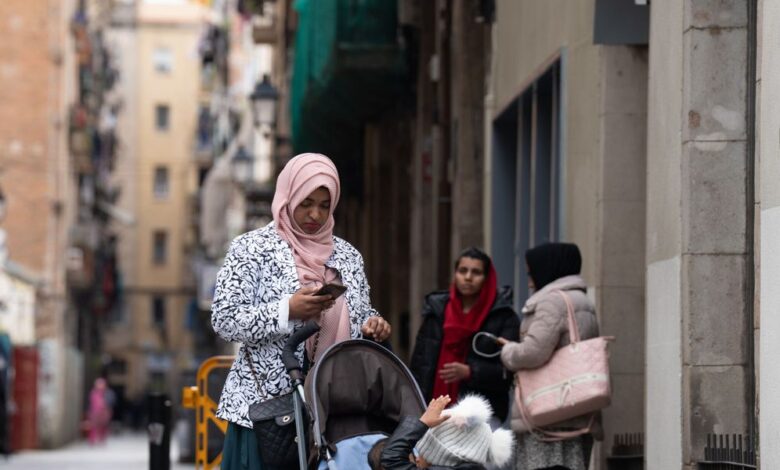
In the text of the initiative, registered by the Vox group, it is emphasized that, in their view, the Islamic headscarf contradicts the foundations of Spanish identity and infringes on women’s rights. Although the document also mentions the niqab and burka, the proposed ban concerns only the headscarf. It suggests introducing restrictions on the wearing of the headscarf in schools, universities, hospitals, sports facilities, and even playgrounds. The authors argue that such measures are necessary to protect cultural traditions and promote gender equality.
Vox has not limited its efforts to Madrid: similar proposals have already been submitted to the parliaments of Catalonia and La Rioja, as well as to the Congress for consideration. Meanwhile, Madrid’s regional leader Ayuso has indicated she will not support the initiative, as it contradicts the Constitution and could violate citizens’ rights. She allowed only for the possibility of specific restrictions for security reasons, but nothing further.
Vox continues to ramp up pressure, using the issues of migration and religious differences to mobilize its supporters. In addition to opposing the Islamic headscarf, the party proposes limiting illegal migrants’ access to healthcare, restricting them to emergency services only. In other regions, such as Jumilla, Vox representatives have already succeeded in passing decisions banning Muslim holidays at municipal sports facilities, which triggered a sharp reaction from central authorities and threats to appeal to the Constitutional Court.
In justifying its initiatives, Vox refers to the experience of other European countries where restrictions on religious symbols in public spaces are already in effect. The party specifically points to laws in France, Germany, and Italy, where various forms of bans on headscarves, burqas, and niqabs have been introduced. Vox argues that such measures are necessary to prevent security threats, protect women from discrimination, and to preserve national traditions.
The debate around Vox’s initiative has once again intensified discussions over the boundaries of religious freedom, migrant integration, and women’s rights in modern Spain. The Madrid regional parliament is expected to consider the issue soon, and its decision could set a precedent for other autonomous communities in the country.