A Sunday evening in Andalusia turned into a disaster that no one could have foreseen. On a stretch of railway near Adamuz in the province of Córdoba, two trains collided with such force that the aftermath shocked even seasoned experts. According to preliminary reports, the death toll has reached 39, with dozens more injured. Authorities are calling the incident ‘inexplicable’ and ‘strange’—and these don’t seem to be mere figures of speech.
The accident happened on a straight section of track that had recently undergone extensive reconstruction. The project cost €700 million and was completed just a few months ago. The Iryo train, relatively new—just four years old—was running the Málaga–Madrid route. At some point, the last two cars of the train derailed. No one yet dares to suggest why.
Moments of the disaster
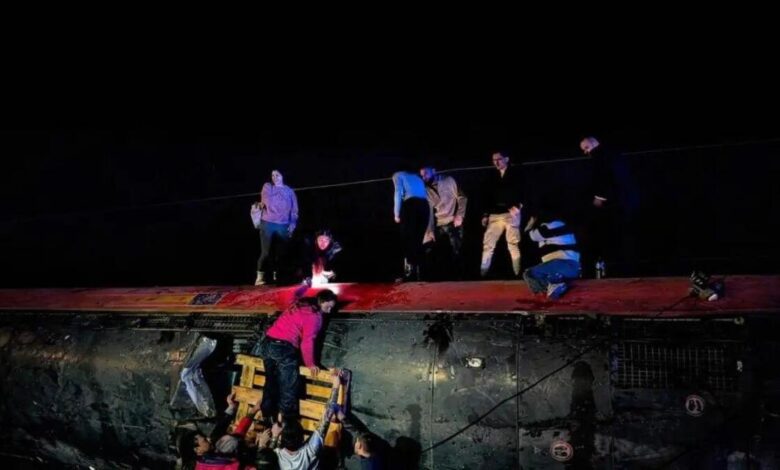
At that same moment, on the adjacent line heading in the opposite direction, another train was moving—an Alvia service from Madrid to Huelva. Fate intervened so that just then, the derailed Iryo cars ended up on the opposite track. The Alvia locomotive crashed into them, sending its first two cars tumbling from an embankment about four meters high.
There were 56 people in these carriages. This is where the main force of the impact occurred, and it is here that almost all the fatalities and seriously injured were found. Rescue workers and firefighters worked through the night, clearing twisted wreckage and pulling people from the debris. By Monday morning, the death toll continued to rise, and more than 30 people with serious injuries had already been taken to hospitals.
Unanswered questions
Spain’s Transport Minister Óscar Puente made no secret of his bewilderment. He stressed that all infrastructure systems are regularly serviced and that rolling stock is constantly inspected. According to him, there had been no technical issues on the line or with the trains. “This is an incredibly rare event,” the minister admitted. “It almost seems as if fate itself played a cruel joke.”
Experts are not even venturing to suggest any theories yet. The cause of the Iryo carriages’ derailment—whether it was a malfunction, human error, or something else—remains unknown. Authorities emphasize that speculation is unacceptable at this stage. An independent Rail Accident Investigation Commission (CIAF) has been assigned to conduct the probe, which is expected to be lengthy and complex.
Aftermath and response
Emergency services are still working at the scene of the tragedy. The final death toll has not yet been confirmed—some Alvia carriages remain inaccessible. Among the victims was the train driver, adding to the heartbreak of the situation. Authorities warn that the list of casualties may still grow.
High-speed train services between Madrid, Córdoba, Sevilla, and Málaga have been completely halted. There is no word yet on when they will resume. In addition to clearing debris, a thorough inspection of the entire infrastructure is required. The Minister of Transport has already warned that restoring service will take more than a day.
Shock and confusion
Spain’s railway community is in shock. No one can explain how something like this could occur on a modernized line, with new trains and strict controls. Experts have called the incident an “anomaly” and a “puzzle” that will take weeks, if not months, to unravel.
For now, the country mourns the victims and waits for answers. There are more questions than explanations, and each hour brings new details of the tragedy. There is hope that the investigation will shed light on the catastrophe’s causes and help prevent similar disasters in the future.