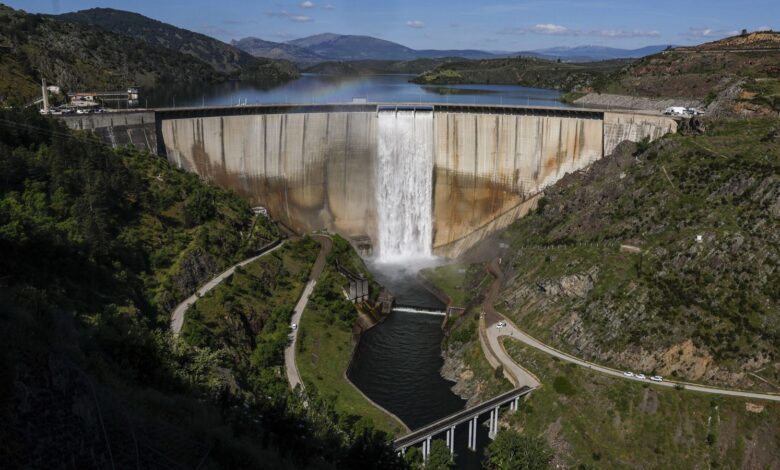
In recent months, Madrid residents have noticed that access to the El Atazar reservoir has been closed to outsiders. The reason is tightened security measures put in place after a series of heavy rains. This dam is a key facility for the region, supplying nearly half of the drinking water for the capital and its surroundings. Any incident here could spell disaster for millions.
The concrete wall of El Atazar reaches 125 meters in height, with kilometers of technical tunnels running underground. The system is so complex that it requires a constant presence of specialists. Three shifts of engineers and security staff monitor the dam around the clock. After the recent storms, the water level in the reservoir rose to 80% of its maximum, and now water is being released with extra caution—manually, under the supervision of experts. Any attempt to stop along the adjacent M-133 road triggers loud sirens, warning of proximity to this strategic site.
Manual control and new regulations
Last year, the Ministry for the Ecological Transition (Miteco) revised the operating regulations for all major dams in the country. Now, El Atazar and similar facilities are officially classified as strategic, which means they must comply with special safety requirements. All procedures for opening and closing the spillways are performed exclusively by hand to eliminate the risk of hacking automatic systems. Technicians use heavy levers to control the gates, and after every water release, information is immediately relayed to emergency services and hydrological agencies.
The entire dam area is divided into zones with varying levels of access. Entry for unauthorized individuals is impossible, and any suspicious activity is detected by cameras and sensors. For complex inspections, engineers deploy drones to spot cracks or temperature anomalies in hard-to-reach areas. Each year, about 2.5 million euros are spent on the maintenance and modernization of all 13 dams in the region.
Technology and constant monitoring
Modern technologies make it possible to collect hundreds of thousands of data points on the condition of the dam. At El Atazar, around 700 sensors are installed, tracking pressure, structural movement, temperature, and water filtration levels. Some of the data are transmitted automatically, but more than half of the measurements are still taken manually. This approach allows for timely detection of even the slightest deviations and helps prevent accidents.
To monitor conditions, classic tools are used: pendulums, thermal sensors, and special gauges. All the data is collected in a control center, where specialists track trends and decide whether a water discharge is necessary. In the event of a flood threat or technical malfunction, emergency services receive an alert within minutes.
Water under control
Madrid’s entire water supply system depends on the operation of El Atazar and other dams managed by Canal de Isabel II. During heavy rainfall, these structures not only provide drinking water but also protect the city from flooding by regulating river flow. Currently, ten out of the region’s thirteen dams are forced to release water to prevent overflow. The others, such as El Pardo, are used only for flow regulation.
In February of this year, a record volume of water was recorded passing through the dams—up to 400 cubic meters per second, which is equivalent to filling an Olympic pool in just 10 seconds. Thanks to this, water reserves in the reservoirs now exceed 86% of their maximum capacity, ensuring Madrid’s stable water supply for the next year and a half.
Security concerns around strategic facilities are becoming increasingly relevant. Recently in Catalonia, there was a discussion about the railway system when an unexpected failure occurred on the Rodalies line in Barcelona sparked concern among local residents and raised questions about the resilience of the infrastructure. Such incidents highlight the importance of continuous monitoring and preparedness for emergencies.
In recent years, Spain has faced extreme weather events, prompting authorities to strengthen the protection of critical infrastructure. In 2023, heavy rains in Andalucía forced emergency water releases from several dams to prevent city flooding. In 2024, new safety protocols were introduced in Galicia after cracks were discovered in one of the region’s oldest dams. These events demonstrate that modern technologies and stringent control measures are becoming an integral part of water resource management in the country.