María Corina Machado’s visit to Madrid has become a notable event for Spanish politics. Preparations for the Venezuelan opposition leader’s arrival were carried out in complete secrecy, immediately raising questions about the transparency of communication between regional and central authorities. For Spain, this signals not only a new phase in relations with the Venezuelan opposition but also potential shifts in diplomatic contacts amid growing tensions between different political forces in the country.
Visit organization
Visit preparations
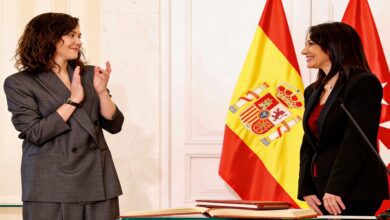
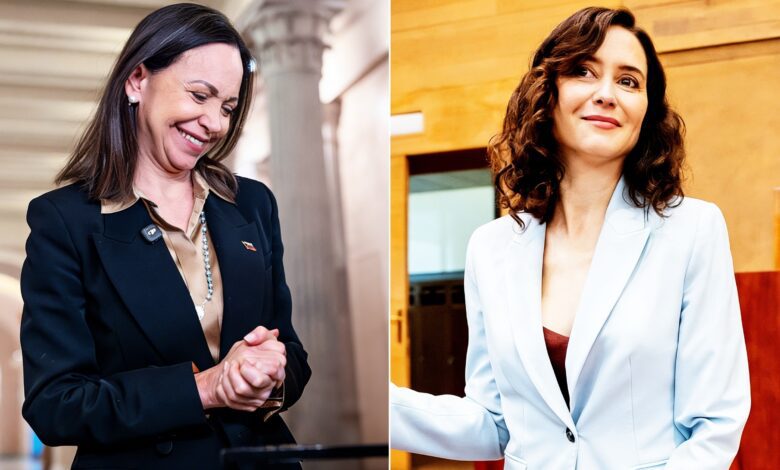
The teams of María Corina Machado and Madrid president Isabel Díaz Ayuso coordinated the visit for several weeks. Security arrangements and a packed meeting schedule required constant communication between advisors on both sides. According to El Pais, Machado and Ayuso have established a relationship of trust, sharply contrasting with the lack of contact with Pedro Sánchez. The Spanish Ministry of Foreign Affairs said neither Machado nor her team had requested a meeting with the Prime Minister. The ministry emphasizes its willingness to engage in dialogue, but no official request has been received.
Reasons for the distance
Political disagreements
Relations between the Venezuelan opposition and the Spanish government remain tense. Machado has previously criticized Spain for not taking a more active stance on the situation in Venezuela, believing the country could have played a more significant role. According to the opposition, Madrid has been too soft on the Chávez regime and its successors. However, Machado does not take into account that in 2019 Pedro Sánchez recognized Juan Guaidó as the legitimate president of Venezuela, which was a serious blow to the authorities in Caracas. Despite this, the opposition has remained dissatisfied with the actions of Spanish diplomats, especially regarding their support for candidate Edmundo González and his subsequent forced departure.
The role of other politicians
The influence of external figures
Machado is particularly distrustful of the actions of former Spanish Prime Minister José Luis Rodríguez Zapatero. Although Zapatero facilitated the release of dozens of political prisoners, some in the opposition believe his efforts only strengthened the Chávez government. At the same time, among those released were prominent opposition figures, making his legacy more complex to evaluate. In addition, Machado maintains close ties with Partido Popular deputy Cayetana Álvarez de Toledo, known for her sharp criticism of Sánchez and Zapatero. This further widens the gap between the Venezuelan opposition and Spain’s left-wing parties.
International context
The influence of foreign players
The situation in Venezuela is becoming more complicated due to US involvement and the stance of other Latin American leaders. After Nicolás Maduro was removed from Caracas in January 2026, Delcy Rodríguez, rather than Machado, took his place—an outcome that surprised many. According to US media reports, the CIA recommended maintaining continuity of power to secure control over the military, while Secretary of State Marco Rubio supported a gradual stabilization. Meanwhile, leaders of Chile, Colombia, Brazil, and Mexico suggested Maduro negotiate an exit with the help of international mediators, but these talks failed to produce results.
Opposition plans
The future of the Venezuelan opposition
María Corina Machado plans to hold a large meeting with the Venezuelan diaspora in Madrid. She remains the most prominent figure among opponents of the regime, drawing on the results of primaries and opinion polls. Despite support from several American politicians, including Donald Trump and Marco Rubio, the opposition faces uncertainty over whether new elections will be held. There are also ongoing disagreements within the opposition regarding strategy and attitudes toward international mediators.
In recent years, Spain has repeatedly served as a venue for meetings of Venezuelan opposition representatives and discussions about the country’s future. In 2024, similar visits generated wide public reaction, while support from certain Spanish politicians influenced Venezuela’s domestic affairs. The involvement of international actors, including the United States and Latin American countries, continues to shape the dynamics of the political crisis. Issues of power legitimacy and Spain’s role in these processes remain subjects of heated debate.