Semana Santa in Zamora in 2026 has become not only a religious event but also a key factor for the city’s economy and social life. As small towns across Spain face depopulation and a lack of jobs, the mass return of residents and arrival of tourists during Easter brings significant change. According to El Pais, this year the number of visitors is expected to exceed 200,000, which may set a new record for the city, whose population is just over 60,000.
The impact of Semana Santa is felt everywhere: normally quiet streets turn into gathering points for locals and visitors alike. Bars and shops are pushed to their limits, and kiosk owners report a surge in demand for traditional treats. Temporary seats and blankets appear on sidewalks, so people can watch the slow, solemn processions for hours. The atmosphere brings together different generations and perspectives—from believers to atheists, from natives to those who return home only for the holidays.
Tradition and change
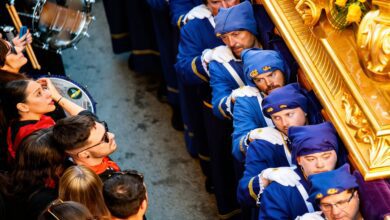
Semana Santa in Zamora stands out for its particular solemnity and respect for tradition. Here, silence during processions becomes a symbol of unity and reverence, and joining the parades is a matter of honor for many families. This year, both elderly women and young people could be seen on the streets, talking together about changes in the city and sharing their impressions of the festival. Some participants admit they are not religious, yet never miss a single year, drawn by the atmosphere and the desire to uphold the tradition.
The stance of the city authorities is particularly notable. Mayor Paco Guarido, representing Izquierda Unida (IU), has been pursuing a policy of separating the municipality from religious events since 2015, while actively supporting the organization of Semana Santa both financially and logistically. According to local residents, this approach has helped maintain a balance between secular and religious spheres, as well as attract additional investment in the city’s infrastructure.
Economic impact
The economic boost during Semana Santa is felt beyond the service sector. Full hotels, lines at restaurants, and bustling streets all generate extra income for businesses and jobs. The city authorities, together with the Diputación and Junta de Castilla y León (PP), are investing in a new Semana Santa museum, which is expected to become another attraction for tourists and locals alike. According to RUSSPAIN.COM, such projects help preserve cultural heritage and contribute to tourism development in the region.
This year, good weather favored the organizers: none of the key processions were canceled, and the influx of visitors exceeded previous years with similarly good conditions. Locals note that they haven’t seen crowds like this in a long time, and many compare this year’s Semana Santa to past years when the pandemic and climate disruptions hindered large events.
Social dynamics
Semana Santa in Zamora is not only a religious ritual but also a major social event. Young people studying or working in other cities return home to take part in the celebration. On the streets, you’ll find groups of teenagers who describe participating in the processions as a family tradition. Adults and seniors share memories of past festivities, while new acquaintances are made right on the steps of city buildings.
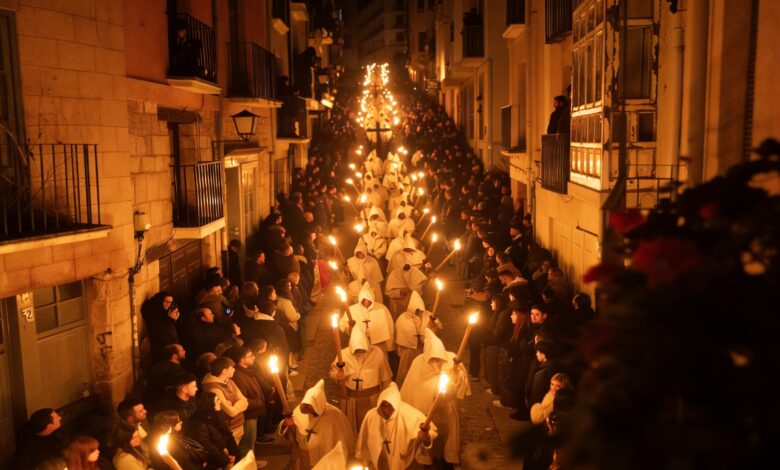
This year, particular attention was drawn to the processions through historic streets, where participants dressed in white and black pass by Romanesque monuments. The solemn and silent atmosphere—when even children stop playing and adults pause in anticipation—creates a unique sense of community. As El Pais notes, such moments become the emotional core of the festival and unite people regardless of their beliefs.
Interestingly, in other Spanish cities, Semana Santa is also undergoing changes. For example, photo reports from various cities show how traditions adapt to new realities and what details surprise even longtime participants. This confirms that religious holidays continue to play an important role in Spaniards’ lives, despite changes in society.
Semana Santa is one of the most significant holidays in Spain, especially in regions with strong historical traditions. In recent years, many cities have seen a rise in the number of participants and visitors, driven by interest in cultural heritage and the desire to preserve family customs. In 2024 and 2025, Andalusia and Castilla y León also reported record figures for tourism and economic activity during Easter. Some cities launched new projects to conserve and promote local traditions, attracting attention not only from Spaniards but also international visitors. These trends highlight the importance of Semana Santa for regional development and strengthening social cohesion.