In Spain, historic relations with Latin America are once again under discussion following a statement by the King that sparked notable reaction in Mexico. For Spaniards, this subject remains important not only due to the past, but also because of its influence on current diplomatic ties and the country’s international image. The monarch’s remarks, acknowledging abuses during the conquest of the Americas, have prompted new debates about Spain’s role in the region’s history and the prospects for dialogue with Mexico.
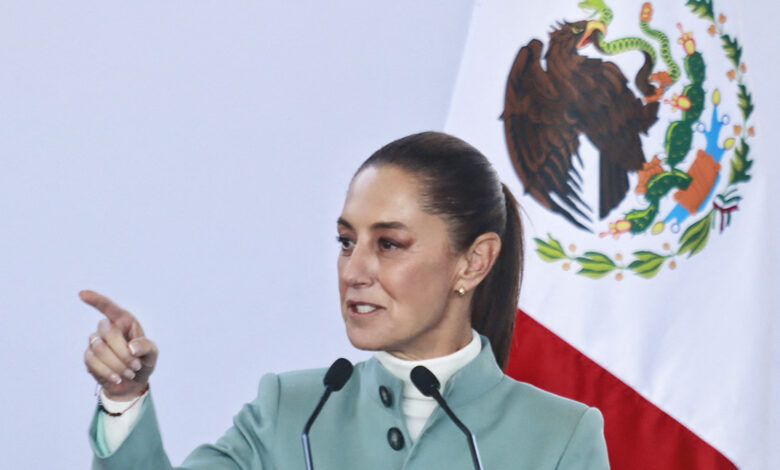
The President of Mexico, Claudia Sheinbaum, publicly acknowledged that she saw a certain step forward in King Felipe VI’s words. However, she stressed that this is not enough to fully meet Mexico’s expectations. According to her, the monarch’s speech marked the first significant response to longstanding demands for recognition of historical mistakes previously raised by the country’s former president. At the same time, Sheinbaum reminded that the lack of an official reply to these requests earlier had led to a cooling of relations between the two countries.
Reaction and consequences
During a press conference, the President of Mexico indicated that she does not consider the issue closed. She did not confirm whether the King would be invited to Mexico, but emphasized the importance of continuing the dialogue. In her view, acknowledging the abuses is only the beginning of a long process that should lead to a deeper understanding of shared history and respect for the region’s indigenous civilizations.
In Spain, the reaction to the king’s remarks has been mixed. Representatives of right-wing political forces, who traditionally defend the idea of Spain’s civilizing mission in the Americas, expressed particular criticism. Their rhetoric often claims that Spaniards brought progress and culture to the continent. However, in Mexico, such statements are seen as an attempt to justify mass casualties and the destruction of ancient civilizations.
Historical context
The President of Mexico recalled that before the arrival of the Spanish, advanced societies with unique achievements existed in what is now the country. She emphasized that Mesoamerican civilizations, such as the Maya, possessed remarkable knowledge and technologies, including the invention of zero. In her view, these facts should form the basis for a new perspective on the past and for recognizing the contributions of indigenous peoples to shaping modern Mexico.
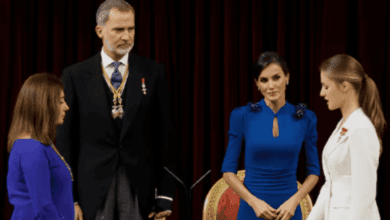
King Felipe VI’s visit to the exhibition “La mitad del mundo. La mujer en el México indígena” in Madrid became a symbolic gesture, interpreted in Mexico as an attempt to foster dialogue. However, expectations from the Spanish side remain high, and many in Latin America believe that acknowledging historical mistakes should be accompanied by concrete steps to rebuild trust.
Next steps
The question of the king’s upcoming visit to Mexico remains open. The country’s president did not rule out the possibility but emphasized that further efforts are needed to strengthen mutual understanding. In Mexico, the sincerity of the monarch’s gesture and whether it will lead to real changes in relations between the countries continues to be debated.
According to RUSSPAIN.COM, such statements by European leaders are becoming more frequent amid global discussions on colonial legacies. In recent years, similar topics have been raised in France, Belgium, and the United Kingdom, where issues of historical responsibility and acknowledgment of past mistakes are also under discussion. These processes are shaping new approaches to international cooperation and cultural exchange.
In recent years, Europe and Latin America have increasingly called for a reassessment of their colonial past. In 2023, the Belgian king publicly accepted responsibility for actions during the colonization of Congo, prompting a strong public reaction. In France, debates continue over the return of cultural assets to former colonies. In Spain, the topic of historical memory remains relevant, especially in relation to Latin America. These developments show that the recognition of historical mistakes is becoming part of modern policy and influencing the development of international ties.