The road to creating homes for the homeless
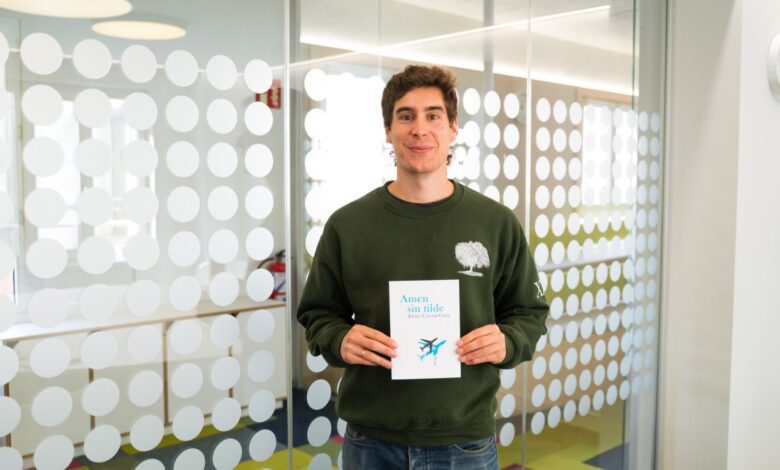
In the Spanish capital, 27-year-old Javier managed to set up three of his own houses and one rented apartment to provide temporary shelter for those left on the street. His project did not come from inheritance or investments, but from sheer hard work: the young man worked up to 16 hours a day, juggling several jobs to save up the initial capital. He bought his first property using his own savings and proceeds from the sale of a book he wrote, in which he shared personal thoughts and experiences.
The purchase of a second apartment in Carabanchel was possible thanks to a bank loan, personal loans from friends, and support from his family. Although after the first deal Javier had only 32 euros left in his account, he didn’t give up and managed to raise the funds needed to keep the project going. In 2024, another apartment was added to the initiative, followed by a house in Alcorcón, acquired with a mortgage. In each case, the young man looked for creative solutions to overcome financial challenges.
Organizing daily life and supporting residents
The homes overseen by Javier accommodate both young people and adults who find themselves in difficult life situations. He lives in one of the apartments with his wife and newborn son, sharing the space with new residents. The selection process is strict: only those who do not suffer from severe addictions or mental illnesses and who are willing to participate in community life and follow the rules are accepted. New residents go through a probationary period, followed by a six-month adaptation phase with clear objectives: keeping the place tidy, participating in activities, learning Spanish, and receiving professional training.
Residents’ financial contributions depend on their abilities: some pay nothing if they have no income, while others cover part of the expenses. Once someone stabilizes their life, they are encouraged to move into independent living, making room for others in need. Since the project’s inception, 32 people have passed through these homes, with most managing to start a new life.
Challenges and additional initiatives
There are also difficult situations: sometimes residents break agreements, refuse to leave the house, or hide the fact that they are receiving benefits. In one case, eviction took six months, and after leaving, the residents took some of the property with them. Nevertheless, according to Javier, there are far more success stories, and it is these that motivate him to continue.
The project goes beyond simply providing a roof over one’s head. Javier is expanding into new areas: opening a newsstand, organizing event photography, and partnering with social organizations where former homeless people can find jobs at weddings and celebrations. Proceeds from book sales and new creative initiatives are reinvested into the project and cover ongoing expenses.
Looking Ahead and a Message to Youth
Javier emphasizes he is not interested in accumulating possessions. His goal is for these homes to continue helping people in need, even if he is no longer involved in the project. He encourages young people to invest their time and resources in meaningful causes, not just material things. Upcoming plans include writing a children’s book, with the proceeds dedicated to supporting new social initiatives.