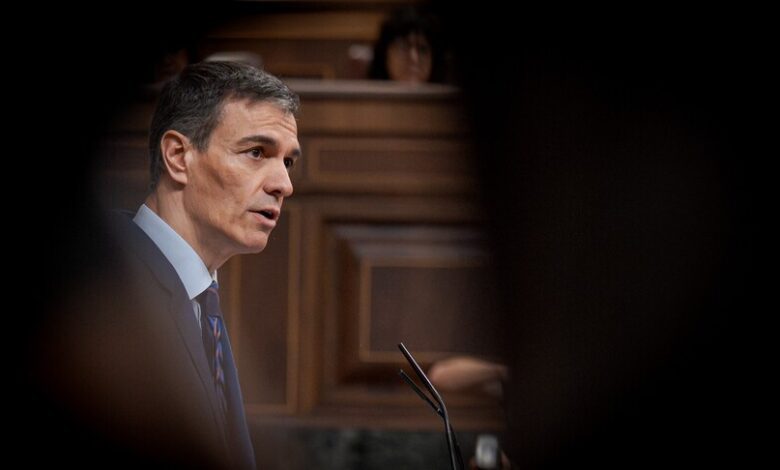
The situation in southern Lebanon has returned to the spotlight after Spanish Prime Minister Pedro Sánchez called on the Lebanese authorities to halt attacks on UN peacekeepers. During a phone conversation with Lebanese Prime Minister Nawaf Salam, Sánchez emphasized that actions against UNIFIL are unacceptable and must be stopped immediately. The Spanish leader noted that Lebanon has been drawn into the conflict not by its own choice and stressed the need to respect its territorial integrity.
According to RUSSPAIN.COM, the Spanish military contingent serving in UNIFIL continues to carry out its duties under constant threat. Sánchez expressed his support for the people of Lebanon and highlighted the professionalism and dedication of the Spanish service members. He also noted that attacks on the UN mission undermine efforts to stabilize the region and pose additional risks to the civilian population.
Escalation of the conflict
UNIFIL has operated in southern Lebanon since 1978, and its mandate was expanded in 2006 by UN Security Council Resolution 1701. However, since March 2024, the situation in the region has sharply deteriorated: after an attack by Hezbollah, Israel launched a series of airstrikes and ground operations inside Lebanese territory. Despite the formal ceasefire, fighting continues, causing new casualties among civilians and military personnel.
Lebanese authorities report a significant number of dead and injured as a result of Israeli attacks. According to their data, since the beginning of March, at least 1,497 people have been killed and the number of injured has exceeded 4,400. Under these circumstances, peacekeepers face increasing danger, and the international community is expressing concern over the escalating violence.
Spain’s Role in the UNIFIL Mission
Spain has a longstanding tradition of participating in UN peacekeeping operations, with its forces stationed in Lebanon for many years. The country’s contingent is considered among the best trained and maintains active cooperation with local residents and authorities. In recent months, Spanish military personnel have faced growing threats but continue to fully perform their duties.
Madrid’s position on the situation in Lebanon remains consistent: Spain advocates for adherence to international law and the protection of the sovereignty of regional states. Authorities have repeatedly emphasized that any attacks on UN peacekeepers are a violation of international obligations and require an immediate response.
International Response
The escalation of the conflict in Lebanon is causing concern not only in Spain but also among other participants in the UNIFIL mission. International organizations and governments from several countries are urging restraint and the pursuit of diplomatic solutions. Meanwhile, the situation on the ground remains tense, and prospects for resolving the conflict are still unclear.
Pedro Sánchez has served as Prime Minister of Spain since 2018 and is actively involved in international initiatives focused on security and peacekeeping. His stance on Lebanon reflects Madrid’s desire to play a prominent role in addressing global challenges. The Spanish contingent in UNIFIL is considered one of the mission’s key components, and the government’s support helps strengthen trust between the operation’s participants and the local population.