In the heart of Madrid’s Arganzuela district, a kiosk has reopened that now serves more than its usual purpose of selling newspapers and coffee. Behind this small space is the ‘Somos Talita’ initiative, created by four young people — Javier, María, Jesús García Melgares, and Marta. They invested their own savings to give employment opportunities to those facing difficult life situations: the homeless, victims of violence, and unsupported migrants.
The idea emerged amid the widespread closure of kiosks across Madrid. The founders saw in this not just an economic opportunity, but also a social one: to turn a kiosk into a place where people can not only buy a newspaper, but also get a new start in life. As Jesús García Melgares recalls, Javier’s suggestion at first seemed unexpected, but the team quickly agreed — the project should go ahead.
Social mission
Today, the ‘Somos Talita’ kiosk is more than just a sales point — it’s a space that blends work, community, and a return to neighborhood traditions. Locals meet here, and elderly residents feel valued and seen. This approach restores a sense of closeness and support to urban life, which is often lost in big cities.
The first employee was Abdul, a young man from Morocco who found himself homeless after arriving in Spain. Thanks to cooperation with the Mundo Justo organization, the founders found a suitable position for him. Abdul aspired to independence and wanted to feel like a part of society. He now works in the mornings, does sports, is learning to drive, and is building a personal life. According to the initiators, this kind of ‘normal’ life is the main goal—to give a person a real start.
Development plans
The project does not stop at its first success. There are plans to expand the range with takeaway coffee and second-hand books in order to create new jobs for other people in vulnerable situations. Among the priorities is to increase the number of employees who can gain their first experience and support here.
However, there are bureaucratic obstacles to development. The current regulations of the Madrid authorities allow only one kiosk per person to be managed. For this reason, the team has already reached out to the association of press vendors with a proposal to review these restrictions to enable scaling of the social model.
Personal involvement and values
For Jesús García Melgarés and his colleagues, this project is not volunteering in the usual sense, but an attempt to build relationships based on respect and support. They emphasize that their goal is not just to help abstract ‘at-risk groups,’ but to see each person as an individual in need of a first chance. This approach brings us back to simple yet important values: attention, involvement, and a human attitude.
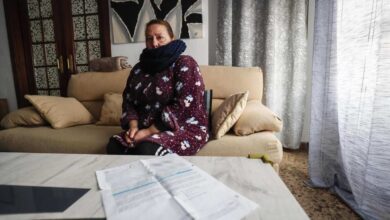
Issues of social support and the right to a decent life for vulnerable groups are becoming increasingly relevant in Spain. As a recent case shows — when a woman from Madrid lost her social benefits due to an inheritance and was ordered by the court to return more than 5,000 euros — the assistance system requires constant attention and adjustment. You can learn more about this in the article on the court decision on the return of social benefits.
The ‘Somos Talita’ project is an example of how personal initiative and a willingness to invest in people can change not just individual lives, but the atmosphere of an entire neighborhood. In situations where traditional forms of support are not always effective, such initiatives become especially significant for the urban environment.