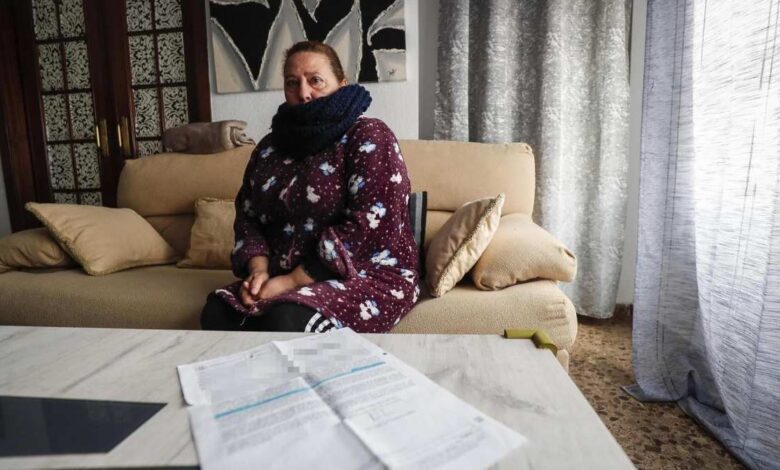
In Spain, receiving an inheritance can have unexpected consequences for social benefit recipients. A recent decision by the Madrid Supreme Court showed that even a formal increase in assets is grounds for reviewing eligibility for the Ingreso Mínimo Vital (IMV). A woman who previously received this aid is now required to return €5,169.23 to the state after her assets exceeded the allowed threshold due to her inheritance from her mother.
The essence of the situation is that after her mother’s death, the woman inherited bank accounts and real estate that was not her primary residence. According to the court, it was these assets that led to the cancellation of the benefit. The IMV amount she had been receiving since 2020 was €469.93 per month. However, by the end of 2021, the National Institute of Social Security (INSS) stopped the payments after a reconciliation with the tax authorities revealed that her assets for 2020 had reached €79,119.83, almost double the established limit of €43,196.40.
Limits and criteria
Her main apartment, valued at over €340,000, was not included in the calculation, but her other real estate and bank funds were taken into account. Specifically, the value of the inherited assets amounted to €75,209.84, and there was €3,910.02 in bank accounts. These amounts formed the basis for the conclusion that the economic vulnerability required to receive IMV was no longer confirmed.
The woman disagreed with the demand to return the money and insisted that the payment had been mistakenly approved by the administration itself, as at the time of her application the inheritance had not yet been formalized. However, the court did not accept these arguments, reminding her of the direct obligation to report any changes in assets within 30 days. This requirement is set out in Article 15.2 of Law 19/2021, which regulates the Ingreso Mínimo Vital.
Arguments of the Parties
The court noted that the INSS could not immediately verify tax information, since details about an inheritance only appear after an income tax return is filed. The key point was that the woman did not notify the agency about receiving the inheritance, even though this circumstance put her above the asset threshold permitted for the IMV.
As a result, the court concluded: there was no administrative error, and the obligation to return the funds lies entirely with the recipient. The INSS decision to terminate payments and demand the return of €5,169.23 received from January to November 2021 was found to be justified.
Significance for IMV Recipients
This case highlights that any changes in assets, even those related to inheritance, must be promptly reported in the documentation. Failure to follow this rule may result not only in losing eligibility for social assistance, but also in having to return amounts already received. It is important to remember that government agencies cross-check information with the tax authorities, and failing to declare new assets does not relieve one from responsibility.
Practice shows that such situations are not isolated. Questions about how changes in personal circumstances can affect payments and compensations are becoming increasingly relevant. For example, in the article about how dismissal can present a chance to keep compensation and benefits,the nuances of interacting with state payments when life circumstances change are also addressed.
As noted by Talent24h, the decision of the Madrid court once again confirms that control over the financial status of IMV recipients remains strict, and the responsibility for timely notification rests with the citizens themselves.