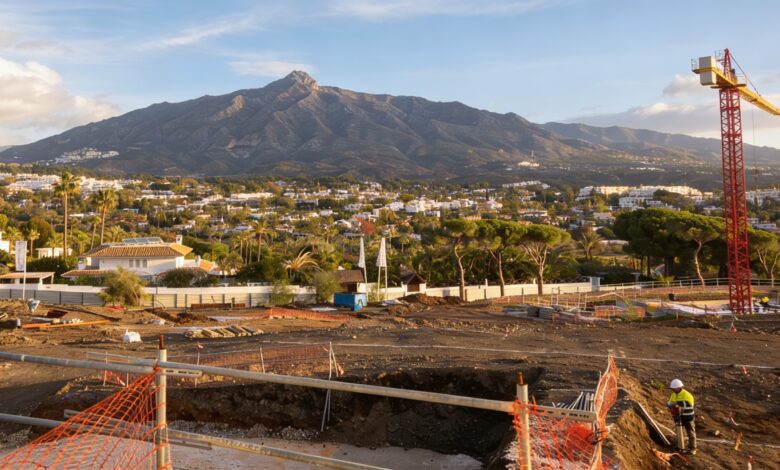
A heated debate has erupted in Málaga over the work of the city’s urban planning department: according to official data, nearly 13,000 unresolved construction violation cases have accumulated in the city, some of which date back to the 1990s. Architects and professional community representatives call the situation critical, attributing it to a severe staff shortage, which they believe effectively paralyzes construction oversight.
Disciplinary cases and staff shortages
According to information released by the municipal opposition, of nearly 12,823 cases, more than 8,700 have not even passed the initial review stages, and over 2,600 are still awaiting their first inspection. Among the unresolved cases are those initiated as far back as the 1980s and 1990s. Representatives of the architectural community note that, due to a shortage of inspectors and technical specialists, many complaints and fines are left unprocessed, and violations go without consequences. According to Susana Gómez de Lara, dean of the local college of architects, the staff is working at full capacity, but this is clearly not enough to control the situation.
Authorities’ response and accusations against the city hall
The official representative of the opposition bloc Con Málaga, Toni Morillas, stated that the disciplinary control system is ‘completely paralyzed.’ In response, the head of the municipal urban planning department, Carmen Casero, categorically rejected allegations of intentionally delaying case reviews, stressing that 74% of the 48,365 cases received have already been closed. However, she acknowledged that about 26%—nearly 13,000—remain unresolved. Casero also clarified that the department employs 19 staff members but did not disclose the number of inspectors. According to the opposition, there are only three inspectors for the entire city. Morillas proposed creating a commission to investigate the situation, recalling that a similar inquiry was conducted in 2018, which recorded cases of pressure on staff and attempts to stall case processing.
Causes and consequences of bureaucratic collapse
Architects link the increase in violations to two main factors: the effect of the regional law ‘Ley Impulso para la Sostenibilidad del Territorio de Andalucía (Lista)’, which since 2021 has simplified the start of construction work by declaration, and a chronic staff shortage. According to them, many developers are taking risks, assuming that even if a violation is detected, the fine can be paid or avoided altogether due to lengthy procedures. As a result, specialists note, Málaga is seeing a massive rise in illegal additions, glazed facades, and remodeling, while actual fines and demolitions are extremely rare.
Public response and the role of investors
Professionals note that the lack of oversight and punishment creates an atmosphere of impunity in the city. Some architects point out that even reporting illegal works to the police leads nowhere—the cases are transferred to the urban planning service, where they end up lost among a backlog of unresolved complaints. According to several experts, the current situation benefits large investment funds, which can afford to take risks and pay possible fines should they arise. As National Urbanism Award winner Salvador Moreno Peralta observes, the problem only becomes visible when the number of pending cases reaches a critical scale, but no systemic changes follow.
Parallel problems in the licensing sector
Shortly before the situation with the municipal urban planning service worsened, Malaga’s board of architects also reported two-year delays in issuing verdicts on properties with protected status due to a shortage of specialists in the regional culture department. According to the board, such delays are not seen in other regions of Andalusia, and in Malaga, the problem is exacerbated by staff shortages and high turnover. Andalusian authorities have promised to strengthen the workforce, but new employees have yet to start as they are still undergoing training.
Issues of construction oversight and bureaucratic failures in Spain regularly become a topic of public discussion. For example, recently in Catalonia, summer school camps were canceled en masse due to teachers’ protests, which also sparked a wave of criticism towards local authorities — you can learn more about this in the article on the situation with summer camps in Catalonia.