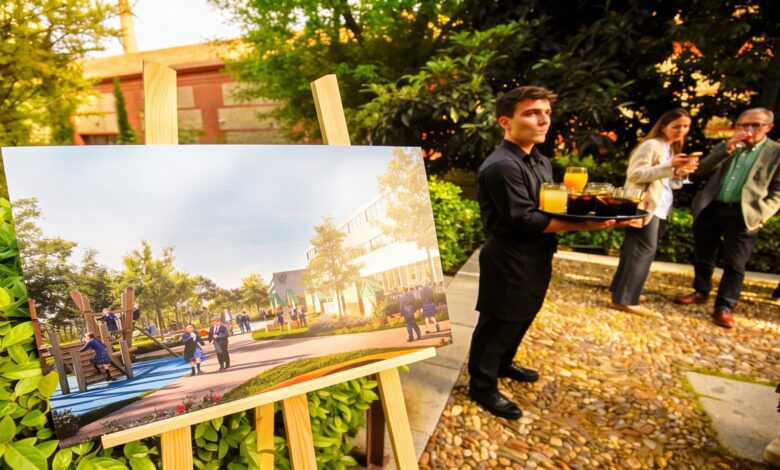
The growth of the elite private school segment continues in Madrid: in 2027, a branch of the British Brighton College, one of the most prestigious educational institutions in the UK, will open in the capital. The new college will become the ninth in the region where tuition exceeds €20,000 per year, confirming the steady demand for premium education among affluent families.
Brighton College Madrid will be located in the Moncloa-Aravaca district, and more than 400 families have already expressed interest in enrollment. According to the school, classes from kindergarten to Year 9 (ages 13–14) will be available at launch, with plans to expand to senior grades in the future. Tuition fees will range from €12,500 for the youngest students to €24,000 for Year 9, and are expected to rise to €30,000 for graduating classes. Unlike the UK campus, where boarding costs up to €76,000, only a day school format is offered in Madrid.
Elite School Market
According to the publication, in recent years the number of private schools in Madrid with fees above €20,000 has grown from two to eight. Among them are the International College in La Moraleja (up to €25,635) and the American School of Madrid in Pozuelo (up to €23,878). The absolute record belongs to King’s College, where boarding costs up to €43,680. Representatives of traditional private schools note that such institutions operate in a “separate league” and do not affect the mass market, where the average cost remains around €10,000 per year.
The opening of Brighton College has sparked significant interest among families residing in prestigious areas of Madrid. Many parents see elite schools as an investment in their children’s future and an opportunity for admission to leading foreign universities. The presentation of the new college, held at the Royal Tapestry Factory, was attended by representatives of the British management company Intellego and the future branch director, George Hartley. All speeches were delivered in English, and parents actively asked questions about the curriculum, fees, and scholarship opportunities for talented students.
Globalization of education
Brighton College is actively expanding its network of branches worldwide: seven schools have opened in Asia over the past 15 years, and projects are set to launch in Rome and Lisbon in the next two years. According to management, the demand for British education abroad is supported not only among expatriates but also among local families focused on international standards. The UK authorities consider this sector promising for the export of educational services.
Experts note that the opening of branches of elite British schools in Spain is changing the market structure and increasing competition among private educational institutions. Parents choosing between different options are increasingly considering not just academic performance, but also additional services, sports programs, and policies regarding digital technologies. As russpain.com reports, such shifts in the capital’s educational sector are happening in parallel with growing demand for premium services in other areas—from real estate to healthcare.
Context and details
In recent years, Madrid has become increasingly attractive to wealthy families, a trend reflected in the education market as well. According to The Sunday Times, Brighton College was named “UK School of the Decade,” and its graduates go on to attend the world’s leading universities. In Spain, as in other European countries, the opening of branches of such schools is seen as a status symbol and an additional opportunity for children. At the same time, traditional private schools emphasize that the mainstream market remains accessible to most families, while the elite segment is more the exception than the rule.
The topic of elite education and its impact on the Madrid market is becoming increasingly relevant against the backdrop of other changes in the capital’s social sphere. For example, recently attention was drawn to an internal conflict within the Más Madrid party, which also reflects growing competition and polarization in various areas of city life.