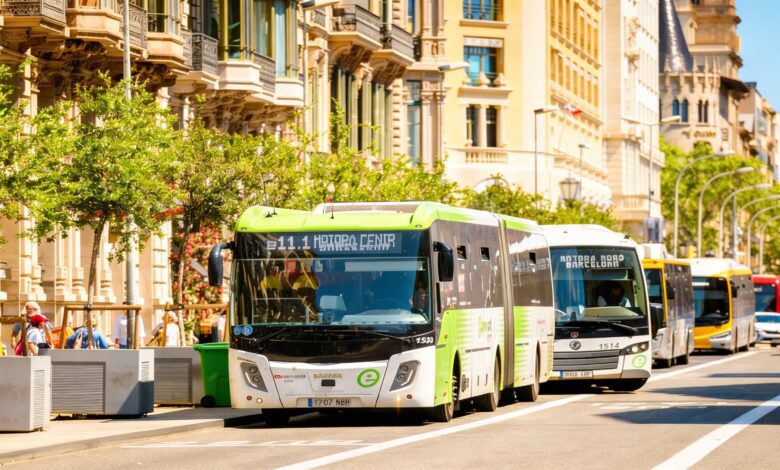
The authorities of Catalonia have decided to extend the existing concessions for intercity bus transportation, which were set to expire in 2028, for six more years. The new condition: by January 1, 2029, operating companies must renew at least 75% of their fleet to make it environmentally friendly. This requirement is established in a special decree, which has already been published and come into force.
According to the government, this measure is due to the sharp increase in the popularity of buses amid disruptions in railway services and a rise in passenger numbers following the accident in Gelida. In 2025, Catalonia’s intercity buses carried a record 90 million passengers—10% more than the previous year and 28% more than in 2019. Authorities note that the bus network has become a key element in ensuring mobility between cities in the region.
Environmental requirements
The concession extension will not be automatic. Each company must, within three months, submit an individual plan for accelerated decarbonization, service improvement, and passenger information. Another three months will be allocated for government review of these projects. If the operator fails to meet the conditions or does not receive approval, their route will be put out for a new tender.
Authorities expect that by 2029, 40% of buses will be electric, another 40% hybrid, and the remaining 20% will comply with the strictest Euro VI and Euro VII emission standards. The total investment by companies in fleet renewal is estimated at 762.4 million euros. The number of buses in service will increase from the current 1,597 to 1,900.
Emission reduction and new standards
According to government estimates, the transition to new standards will reduce annual CO₂ emissions from 94,760 to 48,564 tonnes—almost by half. This will be one of the largest environmental projects in the region’s transport sector. Authorities emphasize that this is not a mere formal extension of concessions, but a substantial modernization of conditions in the public interest.
In parallel with the decree, a separate plan is being developed for 2026 to address the problem of bus overcrowding on popular routes. The document notes cases where passengers cannot board due to lack of space, as well as complaints about insufficient frequency of service to educational, medical, and social facilities.
Context and consequences
Most existing concessions were granted back in the 1960s–1970s and later came under the control of the Catalan government. In 2003, contract extensions for 25 years were already issued in exchange for innovations and improvements. Now, the authorities are focusing on accelerated environmental upgrades and improved service quality.
The topic of public transport modernization and its role in the lives of Spaniards is regularly discussed. For example, the media recently focused on the anniversary of a popular program where politicians and celebrities discussed societal changes and challenges facing the media — more details can be found in the article about the unusual anniversary of El Intermedio.