In Spain, a high-profile trial involving the Pujol family is nearing its conclusion. Initially, the case was considered one of the most significant anti-corruption cases in recent years. However, by the end of the proceedings, the prosecution failed to present convincing evidence that the family’s fortune was linked to corruption. Former President of Catalonia Jordi Pujol was excluded from the case due to health reasons, and the court is now focused on the activities of his eldest son, Jordi Pujol Ferrusola.
No direct evidence
Unlike other corruption cases, this trial did not produce a single admission of illegal payments for government contracts. In the 23 years since Pujol left office as head of Catalonia and 14 years of investigation, authorities failed to uncover any scheme linking the family to contract allocations. The prosecution’s key claim—that the funds in Andorra had a corrupt origin—remained unproven. Moreover, the lack of testimony and concrete facts has become one of the main issues for the prosecution.
Focus on the son
After Jordi Pujol was declared unfit to stand trial due to age and health, the court’s attention shifted entirely to his son. The prosecution claims that Jordi Pujol Ferrusola received large sums from companies for mediation and consultations, which allegedly concealed bribes for access to government projects. However, most witnesses confirmed they paid him for actual services, not for influencing government decisions. The defendant himself insists that his success was built on personal connections and providing clients with exclusive information, and that agreements were often verbal.
Weaknesses in the Prosecution’s Case
During the hearings, it emerged that even the police officers conducting the investigation relied mostly on open sources and media reports. No specific government contracts involving companies connected to the Pujol family were identified that could suggest corruption. Tax experts also noted the lack of documents confirming that the declared services were actually provided, raising doubts about the reality of these transactions. Moreover, the prosecution questioned how precisely Pujol’s son reported his income: he paid corporate tax rather than personal income tax, even though the services were personal in nature.
Exclusion of the Former President
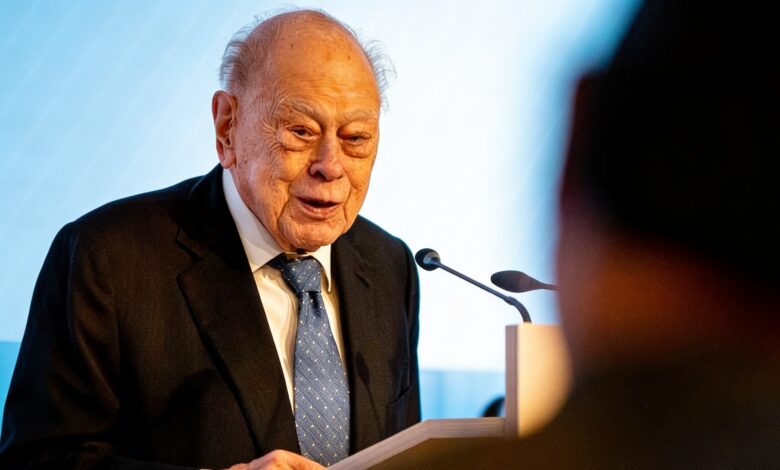
Jordi Pujol, who is now 95 years old, was officially excluded from the proceedings after a medical report deemed him unfit to stand trial. His name was hardly mentioned during the hearings, and according to those close to him, an acquittal could have restored his reputation in Catalonia. Now, all responsibility for any possible violations rests solely with his son.
The trial is ongoing, and in the coming days Jordi Pujol Ferrusola will testify again, including questions about the origin of funds in accounts in Andorra. Recall that in 2014, the former president admitted to the existence of family capital in that country, explaining it as an inheritance from his father rather than proceeds from corruption. This version remains the cornerstone of the family’s defense.
While public attention is focused on the trial’s outcome, other major events continue to be discussed in Spain. For example, recently, the football club Boca Juniors secured a place in the playoffs after a convincing victory — you can read more about this in the article about the decisive match of the Argentine team.