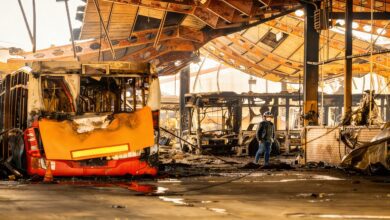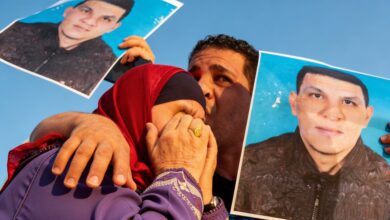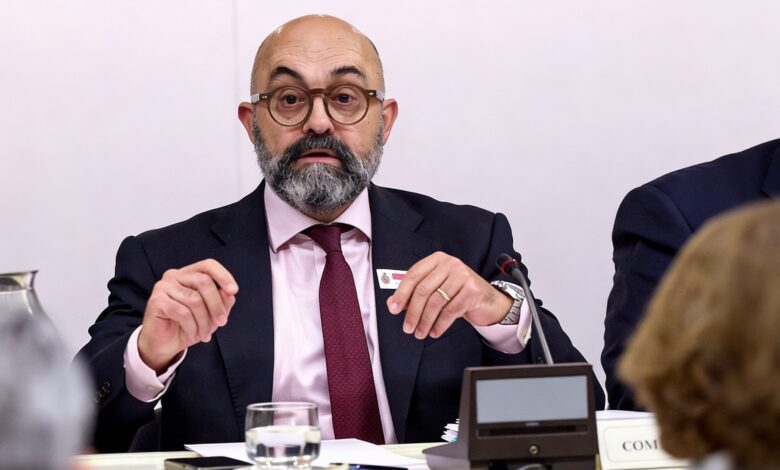
A heated debate erupted in the Spanish Senate over the investigation into the railway disaster in Adamuz (Córdoba), where 46 people died in January 2026. Adif president Luis Pedro Marco de la Peña has come under pressure from Partido Popular representatives, who accused the company of concealing evidence and demanded his immediate resignation. Despite the opposition’s strong statements, the head of Adif categorically denied the accusations and stated that he has no intention of stepping down, emphasizing his responsibility for clarifying the causes of the tragedy and for the safety of the railway network.
Accusations and response
Senator Juan José Sanz Vitorio of the Partido Popular, at a session of the committee investigating the state of railway infrastructure, accused Adif of years of violations and insufficient oversight on the Adamuz section of the Madrid–Seville line. According to him, five cracks were found in a 500-meter segment, and investigations by the Guardia Civil and the Railway Accident Investigation Commission (CIAF) point to a possible failure of the rail or its welded seam as the cause of the accident. The collision of Iryo and Alvia trains resulted in the worst railway disaster in Spain since the liberalization of passenger transport.
Investigation details
During the discussion, senators raised the issue of replacing the rail at the accident site without prior notification of the judge overseeing the investigation. Luis Pedro Marco de la Peña explained that the replacement was carried out on CIAF’s recommendation and was located 1.5 km from the site of the tragedy. He stressed that Adif’s actions were aimed at restoring traffic and did not require separate judicial approval, as they followed standard procedures. At the same time, the company head admitted that the technical justification for the replacement was not promptly communicated to all parties involved in the process, but rejected any accusations of obstructing the investigation.
Preservation of evidence and technical issues
Adif maintains that all elements that could be relevant to the investigation were collected and stored under the supervision of the Guardia Civil. According to Marco de la Peña, had the company not removed these fragments after the CIAF and police experts finished their work, they could have been lost. He also noted that there are currently no automated systems capable of detecting such rail defects in advance. The inspection of welded joints on the Adamuz section was carried out by Redalsa and Ayesa contractors; however, the suspicious area was not included in the ultrasonic testing sample.
Context and consequences
Questions for Adif concern not only technical solutions, but also the transparency of cooperation with investigative authorities. The company is willing to consider recommendations to strengthen oversight and change track inspection procedures. The issue of railway infrastructure safety and the responsibility of state-owned companies has repeatedly become the subject of public debate — similar disputes have arisen in other regions before, as was the case in discussions about national defense risks, covered in detail in the article about pressure on Spanish defense and criticism from the United States.