In recent years, Spanish agriculture has found itself in a situation where even hard physical labor does not guarantee a decent income. Farmers are increasingly facing the reality that the sale price of their products does not even cover the basic costs of production. As Talent24h notes, many vegetable producers are forced to make tough decisions: either sell their harvest at prices below cost or refrain from selling it altogether.
Market realities
Hundreds of thousands of people work in Spain’s agricultural sector, but the number of those able to earn a stable living from it is shrinking. Rising costs, lack of support, and growing competition from foreign suppliers are making farm work less and less attractive. Small family farms are particularly affected, facing a constant struggle for survival each season.
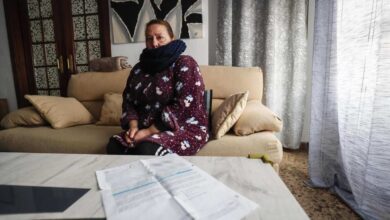
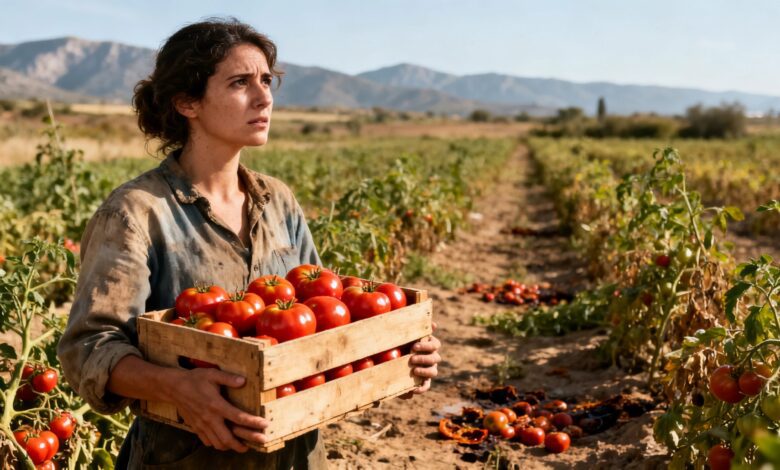
One such farmer is Clara Saramian from Logroño. She manages a family plot of about one and a half hectares, where she grows tomatoes, melons, and watermelons. Despite all the difficulties, Clara notes that physical fatigue is not the hardest part. Far more challenging is the constant uncertainty: extreme weather can destroy months of work in minutes, and the final price for products is often lower than the cost of growing them.
Prices below cost
The problem of low purchasing prices is particularly acute. According to Clara, in one of the seasons she was offered for tomatoes an amount twice as low as the previous year. In such a situation, she chose not to sell the harvest at all so as not to support a system where the producer loses out. At the same time, the same tomatoes are sold on store shelves for several times more than what is paid to farmers.
The cost of producing one kilogram of tomatoes in Spain averages 35–40 cents. However, wholesale prices can drop to 80 cents or even lower, leaving farmers with almost no profit. As a result, many farms operate at a loss, and part of the harvest ends up being thrown away or given away for free.
Middlemen and the sales chain
The agricultural sales system in Spain is structured so that each new middleman increases the final price for the consumer but does not bring any additional benefit to the producer. Farmers note: the more links in the chain, the less chance they have of getting a fair price. This means that even with high retail prices for fruit and vegetables, producers’ incomes remain minimal.
In search of solutions, some farmers are turning to direct sales—through personal contacts or social media. This approach allows them to slightly increase their profits and deliver their product to the end consumer without intermediaries. However, even this strategy does not solve all the problems: market instability and the lack of sales guarantees persist.
The future is uncertain
The crisis in agriculture is worsened by a lack of young professionals entering the field and increasing bureaucratic demands. More than 90% of farmers in Spain are over 60 years old, and for young people, entering the sector is nearly impossible. Additional pressure comes from imported products, which often reach the market at lower prices and without meeting European standards.
Farmers also face theft, difficulties with paperwork, and situations where, after an entire season of work, they earn no profit at all. Many admit: despite their love for the land and the desire to continue the family business, prospects are becoming increasingly uncertain. Spanish agriculture essentially ensures the country’s food security, but itself remains in a vulnerable position.