
All news
25336 news
Barcelona Probe Tracks Anonymous Blocus Accounts After Riots
Anonymous TikTok accounts used the Blocus label to draw young people to Barcelona, where shops were looted and 33 fires were reported. The Mossos are investigating who ran the profiles.

Caregiving harms the health of 62.8% of family carers
A national survey found that 62.8% of family carers say their work has affected their physical or mental health. Fatigue and stress were the most commonly reported problems, despite high overall satisfaction with the role.

Gran Canaria welcomes Canadian journalist for family travel visit
Natalie Preddie spent 13 to 19 October on Gran Canaria with one of her children, aged six. Organised with the OET in Toronto, the visit focused on family travel and sustainability and featured three hotel bases.
Doctor Negrín shortlisted for 2026 BSH award
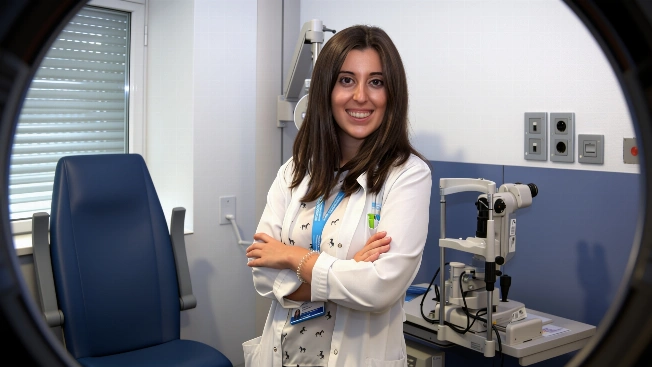
The Hospital Universitario de Gran Canaria Doctor Negrín is a finalist in the 2026 BSH awards for its hernia procedure. The assessment considers efficiency and care quality alongside patient experience.

Spain Sets New Rules for University Students
A new national statute gives students across Spain’s public and private universities the same protections. It is already in force, with deadlines for universities to establish support services and update their rules.
Madrid plans faster school discipline under a new decree
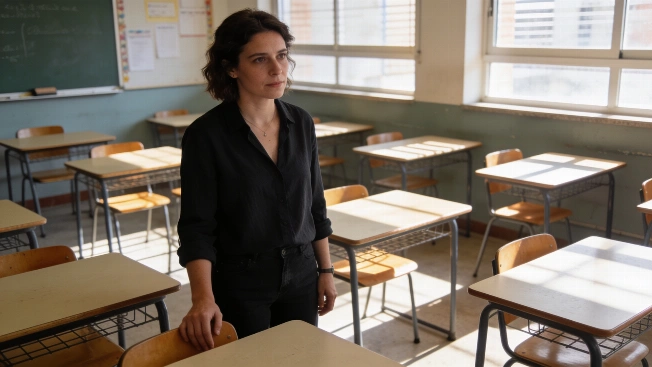
Madrid plans an urgent decree allowing teachers and school leaders to respond immediately to misconduct in schools. It is intended to take effect in 2027/28 after centres have time to adapt rules and train staff.
PP and Vox seek a Senate deal before Monday's filing deadline
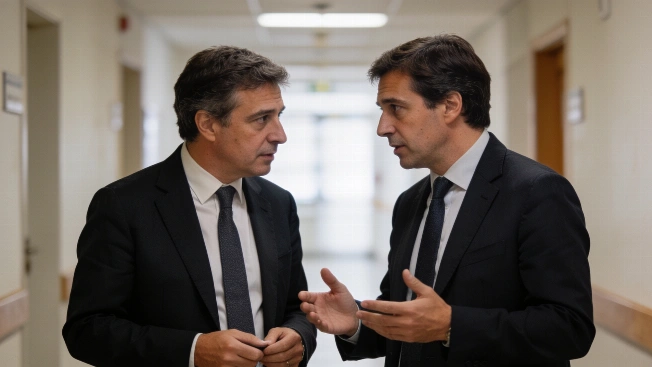
PP and Vox are still negotiating their Senate election strategy as Monday’s candidate-list deadline arrives. They want to counter the joint PSOE and Frente Amplio ticket in provincial races where smaller parties can miss out on seats.
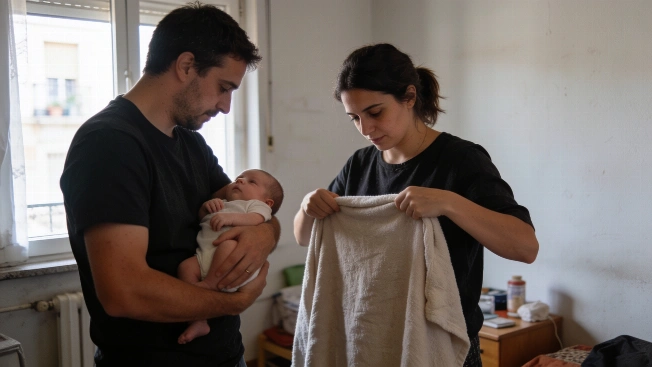
Asturian encourage family seeks repayment for eight Madrid trips
An Asturian encourage family says it paid for eight trips to Madrid for a baby’s eye surgery and follow-up care. Eight months later, it was still waiting for reimbursement as the regional government examined possible solutions.
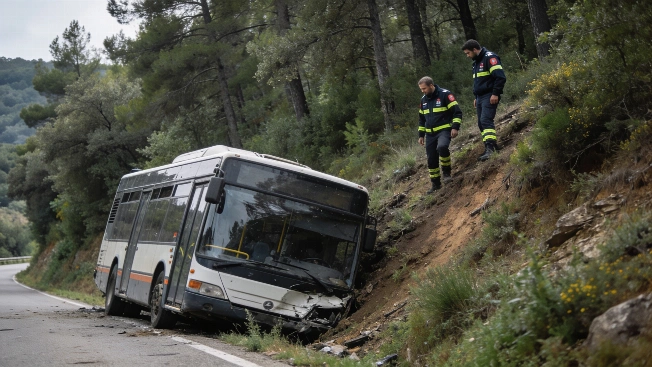
Fogars bus crash leaves 83 treated, seven seriously injured
A bus plunged down a 20-metre embankment in Fogars de Montclús on Sunday. The SEM reported 83 people treated and seven seriously injured; firefighters resumed searches on Monday to check for anyone else.
Europe's heart plan faces a funding test
The EU's first cardiovascular health plan targets a 25% reduction in premature deaths by 2035, but its final funding is uncertain. Spain also has a 2022 strategy whose new measures are difficult to launch without fresh national budgets.

Cupra Raval VZ takes the lead in Car and Driver's new issue
Car and Driver’s issue 338 puts the Spanish-built Cupra Raval VZ in the spotlight, alongside road tests and comparisons. It also previews award contenders and reports from across the motoring world.

Seville race draws about 6,000 to support childhood cancer research
About 6,000 people took part in the XIV edition of ‘Tus Kilómetros Nos Dan Vida’ at Parque del Alamillo. All available race bibs were claimed within days, with proceeds going to childhood cancer research and care.
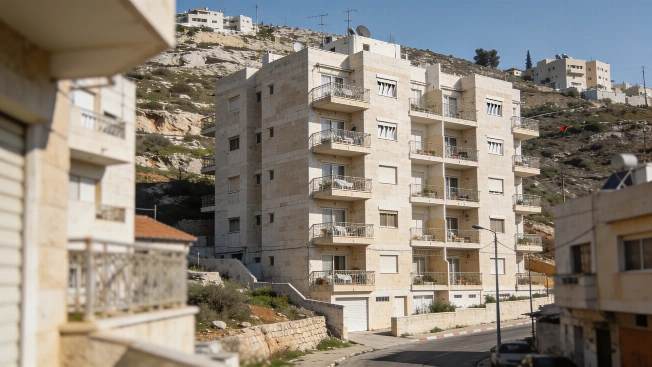
Spain opens case over holiday rentals in Israeli settlements
Spain’s Consumer Ministry has opened proceedings against an unnamed tourism platform over accommodation listings in Israeli settlements in occupied Palestinian territory. The ministry says up to three removal notices went unanswered; penalties could reach €100,000 or four to six times the illicit gain.

Mohíno proposed for fourth place on PP list in Ciudad Real
Luis Ramón Mohíno is set to replace Miguel Ángel Ruiz in fourth place on the PP’s Ciudad Real list for the November 29 general election. Ruiz resigned from the position.

Renault targets 2027 for its next Clio Rally5
Renault’s teaser assigns the Clio VI a place in the brand’s competition programme, with the Rally5 successor planned for 2027. Engine details remain undisclosed; any power estimate is still speculation.

Valencia conference to examine León XIV’s Spain visit
A Valencia conference on 28 October will examine the teachings of Pope León XIV’s visit to Spain. José Gabriel Vera Beorlegui is due to speak from 18:30 to 20:00 at the Archbishopric’s headquarters.
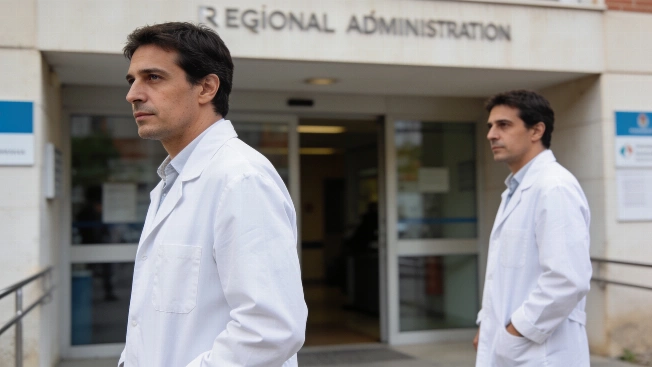
Doctors keep strikes on schedule in five Spanish regions
Doctors’ unions have called off the nationwide stoppage planned for Friday, but separate strikes remain scheduled in five autonomous communities. They are seeking changes to compulsory on-call shifts and more staff.
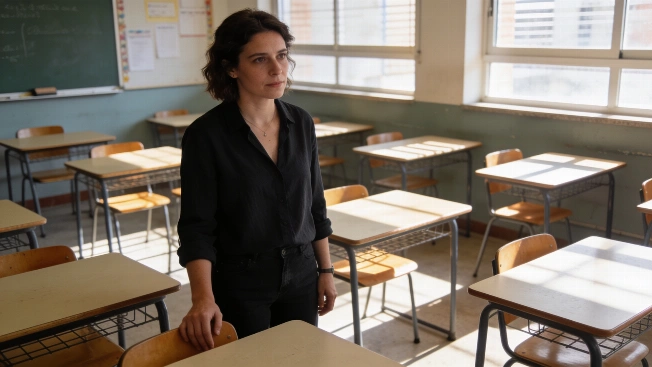
Madrid says teachers’ €600 monthly rise would cost €665m a year
A new teacher in Madrid earns €2,582.48 gross a month in 14 payments, according to the regional government. It says a €600 monthly rise sought by teachers would add €665 million a year to the education payroll.
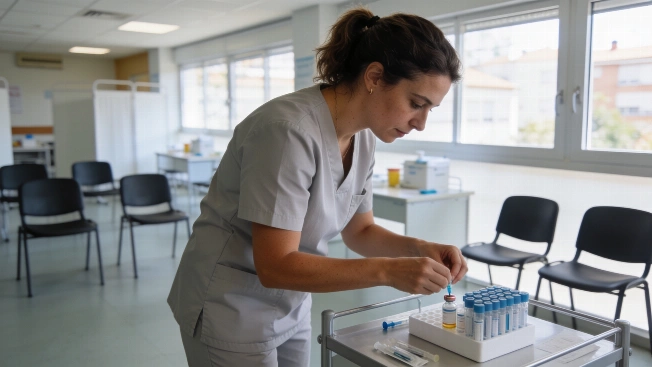
Doctors continue regional strikes after national walkout is called off
Doctors’ unions have dropped a planned nationwide stoppage but are continuing with strikes in five autonomous communities. The regions represent more than 32 million people, with further walkouts scheduled from 28 October.

COP puts problematic social media use on the agenda for 28 October
The COP’s IV Psychology and Addictions Day takes place in Madrid on 28 October, with in-person and online access. Sessions will examine brain effects and vulnerability to problematic social-media use, then turn to psychological treatment.
Feijóo declared €769,779 in financial assets
Alberto Núñez Feijóo’s August 2023 declaration lists €769,779.09 in financial assets, three homes and two garage spaces. It gives no current property valuations or calculation of his total net worth.

Feijóo pledges a tougher response to unrest in Barcelona
Alberto Núñez Feijóo condemned the Barcelona unrest and said a PP government would protect public safety. At an event attended by more than 1,300 people, he also outlined commitments on housing and taxes, alongside pension pledges.
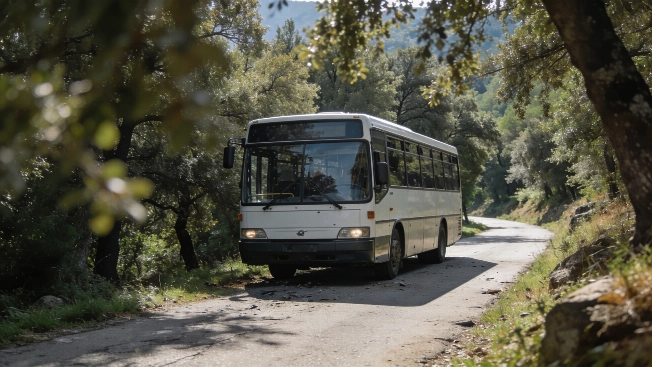
Seven seriously injured in Fogars de Montclús bus crash
Olga Pané says seven people are seriously injured after a bus crash on the BV-5114 in Fogars de Montclús. She has not ruled out the possibility that a fatality remains unlocated.
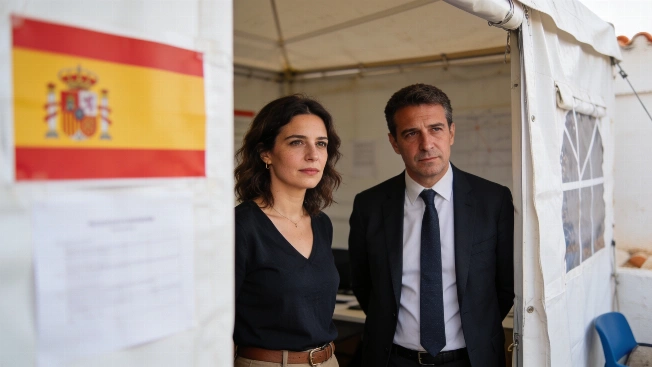
Madrid government delegate resigns after PSOE list omission
Francisco Martín has resigned as Madrid’s Government delegate after the PSOE left him off its congressional and Senate lists for the 29N general election. His exit follows clashes over the Puerta del Sol camp and police conduct.
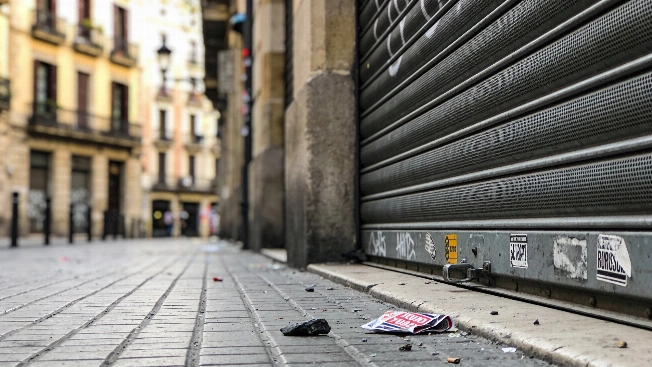
Barcelona police probe organisers after 128 arrests
Police say the violence was arranged through social media and private messaging groups. Of 128 people detained in Barcelona, 72 were minors; prosecutors are considering orders to keep them away from future gatherings.
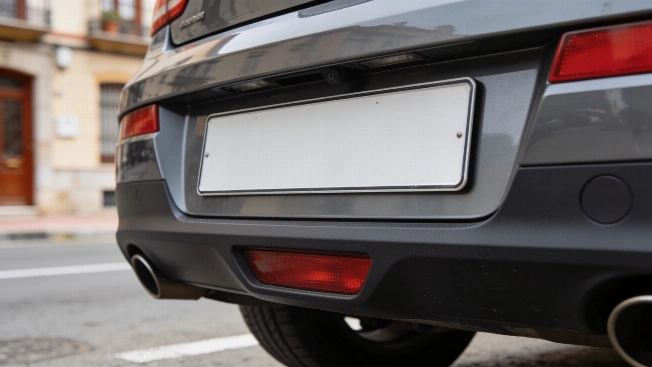
Why Spanish number plates leave out all five vowels
Spain’s DGT says vowels are barred from new registration plates to prevent offensive combinations and names. The change from the N series to P is estimated for 2027, with no date confirmed by the authority.

30,000 join Ceuta protest in Madrid
Around 30,000 people joined a Madrid march organised alongside Mujeres Caballas, according to the Government Delegation. The group called for urgent measures in Ceuta and the return to Morocco of people in an irregular situation.
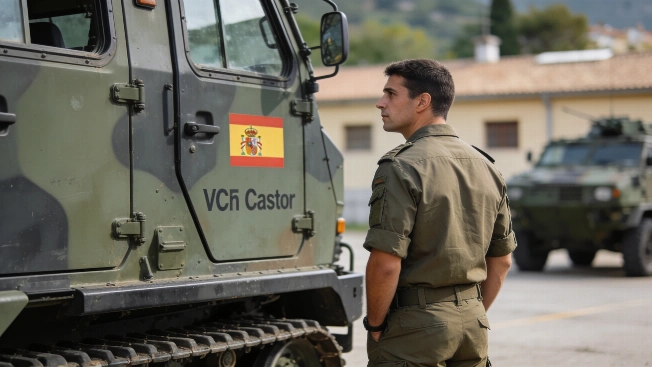
Sierra's route from combat diver to Castor platoon leader
After seven years as a soldier, Sierra was promoted to corporal in 2022. He passed the sergeant examination that year and graduated as a sergeant in 2025 before taking charge of a platoon with the VCZ Castor.

Renault Espace leads family SUV test on space and value
The Renault Espace E-Tech comes out ahead in a family-SUV comparison. Its cabin room and equipment offer a stronger value case, with fuel use close to the RAV4 and lower than the Tiguan's.
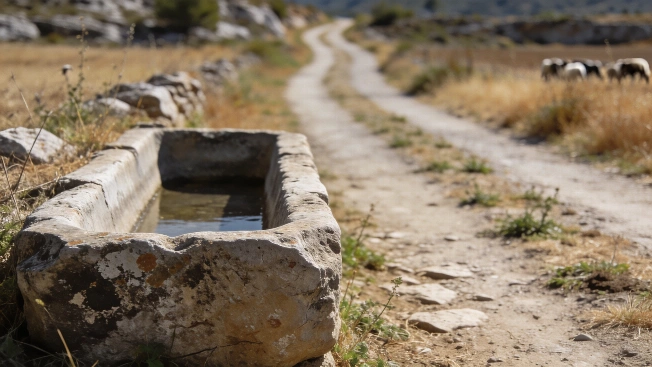
FRUGA calls for action as Galician milk prices fall
FRUGA says contract renewals have cut milk prices by about €0.09 as production costs rise in Galicia. It wants an urgent meeting of the Mesa de la Leche and production costs factored into new contracts.
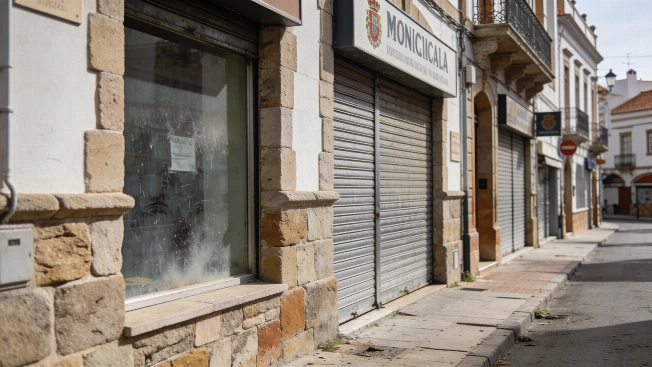
Prague plans 21,000 homes on former industrial land
Prague plans to turn former railway and industrial land into new neighbourhoods. The Bubny-Zátory and Žižkov projects together envisage about 21,000 homes, while construction on the first site is not expected to finish until around 2050.

WhatsApp* (принадлежит Metа, которая признана экстремистской организацией и запрещена в РФ) and TikTok helped organise Barcelona unrest
More than 500 people took part in disorder around central Barcelona after calls circulated through WhatsApp* (принадлежит Metа, которая признана экстремистской организацией и запрещена в РФ) groups and TikTok. Chat members shared images of looted goods and discussed further gatherings.
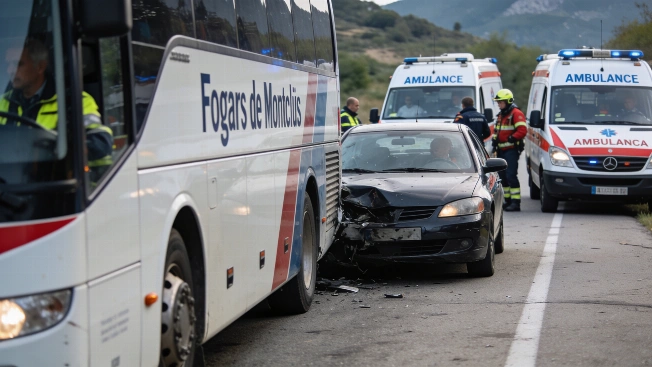
Bus-car crash in Fogars de Montclús leaves at least 41 injured
At least 41 people were hurt in the collision in Fogars de Montclús, with 20 seriously injured. Protecció Civil activated the alert phase of Plan PROCICAT as emergency teams responded.

Valeo CEO questions the cost of self-driving hardware
Christophe Périllat says autonomous cars need not carry €100,000 in roof-mounted sensors. His argument rests on AI learning to respond to situations that developers cannot anticipate in advance.
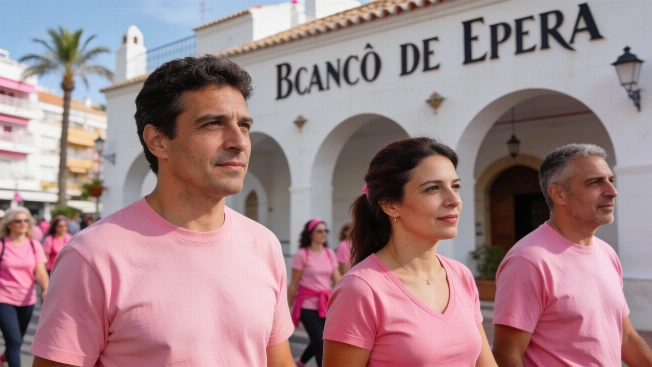
Nerja march presses for better breast cancer care
Nerja’s breast cancer awareness march crossed the town and ended at the José Bobadilla Álvarez Pavilion with a solidarity paella. Its manifesto called for more research, stronger early detection and treatment and care tailored to patients.
Page 1 by 20