Kia’s updated XCeed is now on sale in Europe, featuring a sharper exterior, digital dashboard, and a choice of petrol or hybrid engines. The model targets the crowded compact crossover market.
Kia has launched the new XCeed in Europe, aiming to make a mark in the competitive crossover segment. The latest version gets a redesigned exterior, a digital-focused interior, and a range of petrol and hybrid engines.
The XCeed is still built at Kia’s Žilina plant in Slovakia. The previous generation made up 40% of Ceed family sales, with over 120,000 units produced. The new model builds on that, adding a sportier look, a revised tiger nose grille, and, for the first time, a GT-line trim aimed at buyers who want more style and performance.
The 1.0 T-GDi engine is available in both standard petrol and mild hybrid versions, with the hybrid offering lower emissions and a distinct market position in Europe.
Inside, the changes are clear. The cabin now features a panoramic dual 12.3-inch digital display that combines the instrument cluster and navigation. The dashboard and air vents have been updated for a more premium feel. The steering wheel includes blind spot monitoring and adapts to different drive modes. Owners can use their smartphone as a key with the Digital Key 2.0 system, and the Kia Connect suite offers real-time diagnostics and remote functions. Other features include a wireless charger and several driver assistance systems, such as collision avoidance, highway assist, and a camera that monitors driver fatigue.
The XCeed offers a 1.0-liter T-GDI engine with 115CV and 200Nm of torque, available with a six-speed manual or a seven-speed dual-clutch automatic and mild hybrid technology. There are also 1.6-liter TGDI options with 150CV or 180CV. The plug-in hybrid version can drive up to 48 kilometers on electric power alone, which covers most daily commutes. Drivers can switch between Normal and Sport modes for either comfort or a sharper throttle response.
Kia has also updated the chassis, adding a multi-link rear suspension to reduce noise and vibration for a smoother ride. The exterior changes are practical as well as cosmetic: the front overhang is 15mm shorter for better maneuverability, and new 16- and 18-inch alloy wheels and a refreshed rear light design give the car a more confident look. The XCeed measures 4,380mm long and 1,826mm wide, with a boot capacity of 426 liters, expandable to 1,378 liters with the rear seats folded.
According to several independent European automotive publications, the XCeed is assembled exclusively at Kia's Žilina plant in Slovakia, maintaining its European production roots. The model's official and market positioning emphasizes a mix of petrol engines, mild hybrid technology, and a digital interior, rather than full electrification, reflecting current consumer demand and regulatory trends in Europe.
Prices start at 19,860 euros, putting the XCeed in direct competition with other compact crossovers that have recently been updated. The car was developed through collaboration between Kia’s Korean headquarters and the Hyundai Motor European Technical Center, with testing across several countries to meet the needs of European drivers.
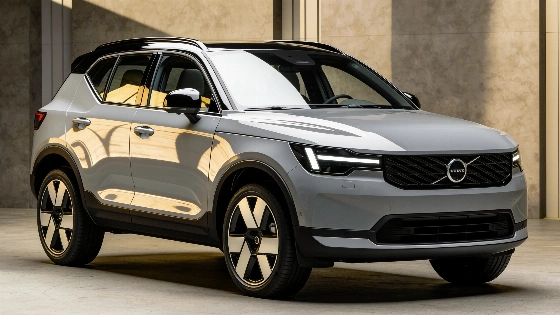
This launch comes as carmakers try to balance electrification with demand for flexible options. Some brands are moving away from combustion engines, while others—like Volvo with its XC40—are keeping both petrol and electric models in their lineups. Kia’s approach is to offer a mix of engines, signaling that it is not dropping traditional powertrains yet, but is preparing for a future where hybrids and electrics become more common.
Kia’s goal, according to elespanol motor, is to sell 4.13 million vehicles worldwide by 2030. The XCeed’s relaunch in Europe is part of that plan, combining technology, efficiency, and design at a competitive price. As regulations and customer expectations change, Kia’s investment in both hardware and digital features shows how the compact crossover segment is evolving.