The Netherlands is looking to fill almost 375,000 job vacancies, offering a minimum wage of 14.99 euros per hour. Spanish citizens can work without a permit, but must deal with strict housing rules, insurance, and contract details before moving.
There are nearly 375,000 open jobs in the Netherlands, but the advertised minimum wage of 14.99 euros an hour comes with plenty of caveats. Housing is hard to find, deductions can be steep, and steady hours are not guaranteed. For Spanish jobseekers, the Dutch market is appealing, but the details can quickly undercut hopes of easy earnings.
Starting in July, the Dutch minimum wage for workers aged 21 and over is 14.99 euros gross per hour. This rate, published by the national statistics office (CBS), is not a guaranteed offer to foreign workers and does not promise a set income. Actual pay depends on hours worked, age, and deductions, all of which can make a big difference to what ends up in your bank account. According to CBS, the unemployment rate in the Netherlands was 4.0% in July 2026. While the number of vacancies has cooled slightly, the labor market remains tight.
After a 2024 reform, the Netherlands switched to a single hourly minimum wage, so actual earnings depend on hours worked and contract terms, not a fixed monthly amount.
Job sectors and language barriers
Construction, energy, logistics, healthcare, and hospitality are among the sectors with the most urgent shortages, according to the public employment agency UWV. The need is not limited to university graduates; skilled trades like bricklayers and veterinary assistants are also in demand. Every job requires proof of qualifications and relevant experience. The shortage covers both skilled and manual roles, with technical jobs such as electricians, mechanics, and plumbers especially hard to fill.
Language is a major hurdle. Some employers accept English, but learning Dutch opens up far more opportunities. As with recent regulatory changes in Spain, it is important to read all requirements carefully before applying. EURES is a starting point for Spanish residents to browse vacancies and get advice, but applicants must check every contract detail themselves—location, start date, shifts, and guaranteed hours. Both EURES and Dutch labor market reports note that knowing Dutch is key to accessing more jobs and improving your chances.
Although the Dutch labor market is showing signs of cooling, with vacancies dropping to around 380,000 in early 2026, the ratio of vacancies to unemployed remains high at 91 to 100, indicating persistent worker shortages across multiple sectors.
CBS and UWV
Wages and deductions
The Dutch minimum wage is set by the hour, not by the month, and is lower for those under 21. For example, a 20-year-old earns 11.99 euros per hour. For adults, a 36-hour week at minimum wage brings in 539.64 euros gross, while a 40-hour week pays 599.60 euros. These amounts do not include taxes, social security, or the mandatory 8% holiday allowance, which is usually paid in May or June and is also taxed.
Employers can deduct up to 25% of the gross minimum wage for housing, but only if the accommodation meets legal standards and the worker agrees in writing. This limit applies only to deductions from the minimum wage, not to all rental deals. Food, transport, and required Dutch health insurance also cut into net income. The minimum wage is reviewed and adjusted twice a year, on January 1 and July 1, to keep up with inflation and economic changes.
Housing crunch and administrative hurdles
Finding affordable housing is a major challenge. The Dutch government acknowledges high demand for accommodation among EU workers, and some agencies offer job and housing packages. These rarely mean free rent. Workers should clarify the cost, utilities, number of housemates, and what happens to the housing if the job ends. Losing both job and accommodation at once is a real risk.
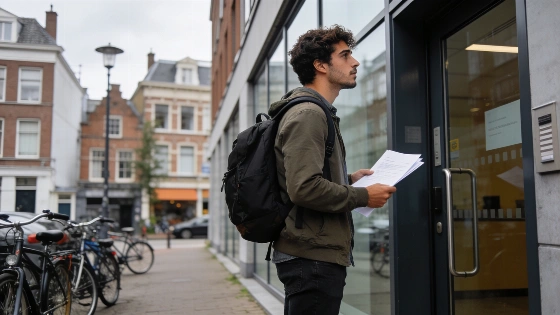
Spanish citizens do not need a work permit, but must get a BSN (citizen service number) for tax, health, and employment matters. Those staying over four months must register with the local municipality; shorter stays require non-resident registration. Health insurance is compulsory and must be arranged within four months of arrival. If working through an agency, it is important to check who the legal employer is, confirm their registration with the Dutch Chamber of Commerce, and keep a written copy of the contract with pay and hours specified. Agencies cannot legally pay less than direct employers for the same work.
What this means for Spanish workers
The Dutch labor market does need foreign workers, but the obstacles are real. The headline wage is only part of the picture; deductions, housing shortages, and paperwork can quickly eat into any gains. For those willing to deal with the bureaucracy and check every detail, there are opportunities, but the days of easy savings abroad are gone. The Dutch system rewards those who prepare, read contracts closely, and understand the real costs of moving. As with recent changes in Spain, the fine print matters more than the headline. Anyone considering the move should be skeptical of agency promises and demand full transparency before signing anything.