In José García Domínguez’s account, workers can stop work collectively only when they recognise a shared interest and feel rooted in the society around them. Writing in an opinion article for Libre Mercado, he argues that these conditions have weakened in Spain, making a general strike a less credible challenge to economic power.
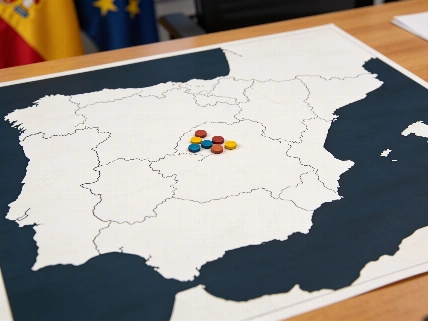
On 11 November 2026, Spain held its first nationwide general strike in 14 years, with housing costs and declining purchasing power among the principal grievances. Unions said around four million workers took part, approximately one-fifth of Spain’s roughly 23 million workers. Their slogan linked “Salaries. Housing. Prices.”
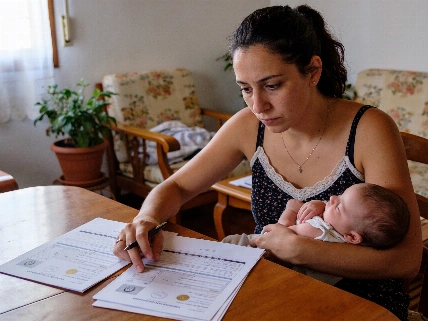
His explanation centres on a shift in the workforce. García Domínguez contrasts earlier generations of Spanish workers, who could draw on unions and political parties, with migrant workers he describes as living with insecure employment and little social protection. He says many focus on getting by, sending money to relatives and regularising their status.
That insecurity can make strike action costly for workers who see their stay as temporary, he argues. They may face immediate risks for benefits that remain uncertain. He sees the lack of social roots as another obstacle to participation.
Earlier workers, in his account, shared memories of social gains and found a sense of belonging through workplaces and neighbourhoods. Those connections helped sustain collective action. Without a common identity, he argues, solidarity between workers becomes an abstract idea.
García Domínguez also argues that a large supply of vulnerable labour weakens employees’ bargaining position and benefits businesses seeking workers who are cheap and easy to replace. Participation estimates for the 11 November strike varied widely: unions reported rates above 80% in Catalonia and Andalusia, while Spain’s main employers’ association, CEOE, reported 10% in Madrid, 5% in Castilla-La Mancha and 2.6% in the Valencian Community. CCOO reported participation of 60.8% among retail workers and 61.9% among hospitality and tourism employees. The national four-million figure was a union estimate.
Regional public-sector figures also differed from broader union claims. The Junta de Andalucía reported 512 unjustified absences among 48,975 employees, or 1.06%, at 11:24 a.m. on the strike day. In Navarra, the regional administration recorded 1,716 strikers among 17,017 employees not assigned to essential services, or 10.08%; the regional public health service recorded 500 participants among 3,557 professionals, or 14.06%. These administrative counts covered specific public workforces. Minimum-service arrangements remained in place for essential services.
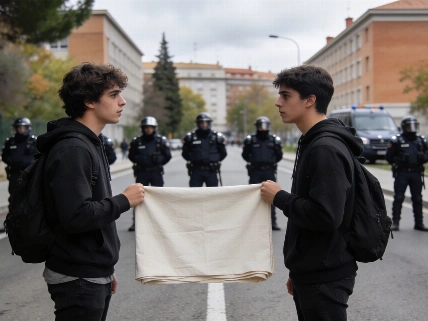
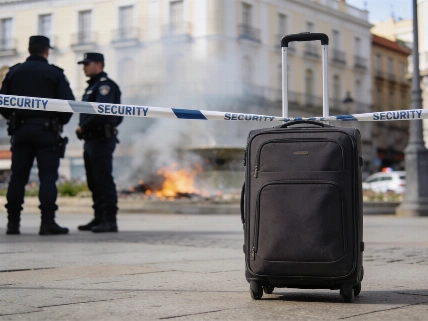
Reuters reported that the strike was largely peaceful at first, with clashes later reported in parts of Madrid and Barcelona. EFE reported transport disruption and arrests; CEOE said most sectors were operating normally. García Domínguez’s article makes a case about worker identity and bargaining power, while participation figures came from unions and employers, as well as regional administrations.
A separate 11N strike report said one of 39 Metabos employees joined that stoppage; the single-firm account offers a workplace example, not a measure of participation across Spain.