Podemos officially nominates Irene Montero for Spain’s top office. Her platform centers on rent controls, a 35-hour workweek, and a minimum wage of 1800 euros. The party’s alliances remain unresolved as the left faces fragmentation.
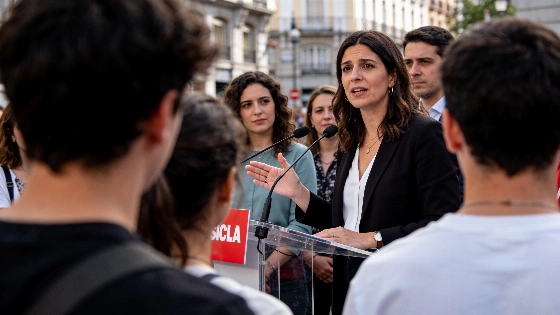
Podemos has named Irene Montero as its candidate for prime minister, putting her at the center of a campaign built around specific economic proposals and a return to the party’s original left-wing priorities. The announcement in Madrid comes as Podemos tries to push back against the far right and address ongoing divisions among Spain’s progressive parties.
Montero’s platform is straightforward: she wants strict rent controls, a 35-hour workweek, and a minimum wage of 1800 euros. Podemos says these measures are meant to address the rising cost of living and slow wage growth, and the party insists they are priorities for the first year if Montero wins office. The official campaign launch is set for September 13, 2026, in Madrid, as Podemos tries to rally the left ahead of the 2027 general elections.
In the second quarter of 2026, housing prices in Spain increased by 12.2% year-on-year, while average salaries rose by only 4.9%.
But Podemos faces an uphill battle. The party holds just four seats in Congress as part of the Mixed Group and has not decided whether to join forces with other left-wing groups. Memories of the 2023 election, when Podemos ran with Sumar but internal disputes kept Montero off the lists, still linger. This unresolved alliance question is now central, especially as polls show far-right parties like Vox gaining ground and the left remaining divided. Podemos has started internal primaries for 2027 and made Montero its national figure, but has not said which parties it might partner with.
Montero’s campaign also opposes higher military spending and puts climate action at the forefront. Her team describes the campaign as a "return to basics," focusing on social rights, peace, and the economic interests of ordinary families. The party’s messaging since July has centered on "peace, housing, work," and climate, signaling a shift back to its founding themes.
Social media will play a major role. Montero’s combined online following is over one million, and Podemos plans to use this reach to connect with younger voters—a group where the far right has gained ground. The campaign aims for high visibility and engagement, recognizing that traditional media alone is no longer enough to shape public opinion.
Montero’s proposal to raise the minimum wage to 1800 euros per month is a sharp increase from the current legal minimum of 1,221 euros (paid over 14 installments), highlighting a major policy divergence from the existing framework.
INE and party sources
The broader left is still unsettled. Sumar’s member parties, including IU, Comuns, Más Madrid, and Movimiento Sumar, have not chosen a leader or finalized their electoral brand. This indecision leaves little time for any deal with Podemos, especially in smaller districts where divided lists could mean losing seats. The stakes are higher with Ione Belarra, Podemos’s general secretary, set to lead the party in the Madrid regional elections, possibly facing Más Madrid’s Mónica García in a campaign that could overlap with the national race.
Housing policy is a flashpoint across Spain, as seen in recent reports about unsafe conditions for migrant workers. Montero’s focus on rent controls and restoring purchasing power is a direct response to these pressures, positioning Podemos as the party most willing to take on entrenched economic interests. Data from the Spanish National Statistics Institute (INE) shows the gap between housing costs and wages has widened in nearly all regions, with some areas seeing a difference of 10 percentage points or more between the growth of housing prices and salaries.
Podemos’s decision to put Montero forward is a calculated risk. The party is betting that a clear, uncompromising left-wing agenda can cut through political infighting and the rise of the right. But without unity among progressive parties, turning these promises into real power remains uncertain. The next few months will show whether Podemos’s strategy can energize its base or if internal divisions will again benefit its rivals. In a political climate where practical solutions to housing, wages, and social rights are in short supply, Montero’s candidacy forces the left to confront its own divisions—and may decide the future of Spain’s progressive agenda.