Top PSOE figures from Castilla y León, Castilla-La Mancha, Extremadura and the Basque Country are openly pressuring Pedro Sánchez to dissolve parliament and call elections now, seizing on the surge of public mobilization over housing policy failures.
Pressure is mounting inside the PSOE. Regional leaders are breaking ranks and demanding Pedro Sánchez act fast. The spark? Public anger over housing and the collapse of key government decrees in Congress.
On Sunday, Carlos Martínez, PSOE’s secretary general in Castilla y León, made his stance clear during a visit to Cifuentes. “There is a window of opportunity for citizens, who have awakened decisively, to express themselves at the polls,” he said. Martínez, who once served as mayor of Soria, had already warned he would push for general elections if the government’s housing decrees failed. That moment arrived. PP, Vox, and Junts joined forces to block measures meant to cap rents and extend contracts. According to international agencies, and as confirmed by Euronews and AP News, the Spanish Congress on October 2 rejected two major housing decrees. The first failed with 172 votes in favor and 178 against. The second saw 166 in favor and 184 against. These decrees aimed to boost tenant protections, limit evictions for vulnerable families, and extend rental contracts.
Following the defeat of the housing decrees, discussions within PSOE have floated November 29 as a possible date for early elections, though no official decision has been made.
Martínez is not alone. Emiliano García-Page from Castilla-La Mancha, Eneko Andueza in the Basque Country, and Álvaro Sánchez Cotrina from Extremadura have all gone public. They want Sánchez to bring the vote forward. Behind closed doors, other party figures admit the risks are real. Still, they say the moment calls for bold action. The urgency is real. The government has suffered legislative defeats. Protests are growing in the streets. According to Spain English and other sources, this debate inside PSOE is not just about party politics. It is a direct answer to the double defeat in parliament on a core social issue.
García-Page, who often clashes with the party’s national leadership, warned of “an extremely high risk in terms of credibility” if elections are not called right after the housing decrees failed. He said the political landscape has changed so much that “Spaniards will have a lot of work to put the puzzle back together.” Sánchez Cotrina, speaking for the socialists in Extremadura, argued that when the left cannot deliver in parliament, “it is time to give citizens their voice.” He painted a blunt picture of the right’s plans: “The right is eager to take power to tell you ‘you have to leave your home’ because they will do nothing to help you stay.”
In the Basque Country, Eneko Andueza called this “a good time for society to decide.” He pointed to the clear party lines after the failed housing decrees. “We are in a very specific situation and the option of advancing elections is on the table,” he told Naiz Irratia. Euronews reports that both Martínez and Andueza have publicly called this period an “opportunity window” for citizens to make their voices heard at the ballot box.
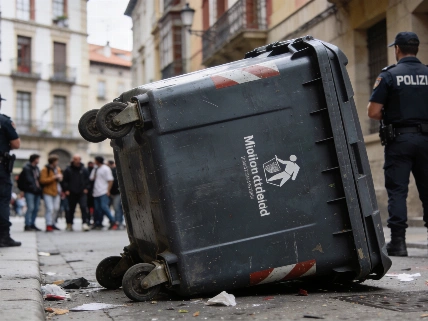
After the defeat of the housing decrees, street mobilization intensified across several Spanish cities, with tenant unions and allied organizations calling for increased pressure, including the possibility of a nationwide strike. The public mood is shaped by a prolonged housing crisis, and both Euronews and AP News link the parliamentary setback directly to a nationwide wave of discontent.
For now, Moncloa has only confirmed that Sánchez will attend the opening of the XXIX National Congress of Family Business on Monday morning. If he chooses early elections, protocol says he must inform the King at the Palacio de la Zarzuela before the monarch leaves for Finland later that day.
The push from inside PSOE comes as Spain’s housing crisis keeps making headlines. As reported earlier, youth-led protests over unaffordable housing and unstable jobs have swept across Europe. Spain is at the center of this debate. The defeat of the government’s housing decrees has only put more pressure on the ruling party’s ability to deliver.
Now, with the party’s own regional leaders openly challenging Sánchez, the next hours will test his instincts and the PSOE’s ability to read the national mood. This rare public unity among regional chiefs shows the party senses a brief chance to regain momentum by letting voters decide. If Sánchez waits, he could lose both the initiative and the trust of those demanding change. Delay could cost more than any election risk.