Jerez's 2026 Book Fair drew 18,154 visitors, up from 17,300 at the previous edition. Its wider family and cultural programme helped push the event beyond the usual book-fair format.
Mayor Mª José García-Pelayo presented the attendance figures after the fair ended. The 2026 edition drew 18,154 visitors, compared with 17,300 at the previous event. That is an increase of about 5%, or 854 people.
García-Pelayo credited Jerez's cultural strategy and the work of Culture delegate Paco Zurita and his team. They had spent months preparing the event. The administration wants more than an annual book market. It wants a fair that attracts people and brings residents into direct contact with books, authors and culture.
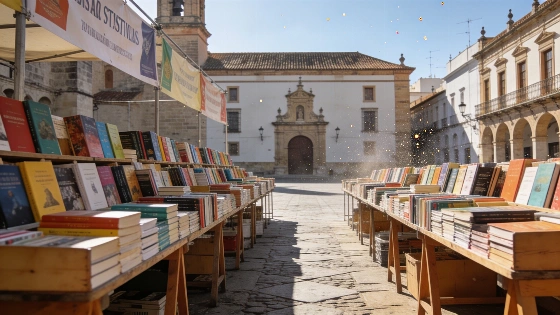
The fair took place over five days, from 30 September to 4 October 2026, at the Claustros de Santo Domingo in Jerez.
Attendance is only part of the story.
The programme reached beyond regular book-fair visitors. It brought together several literary genres with activities for children and young people. Treasure hunts, heritage routes and concerts added new ways to take part. They also moved the event beyond author talks and book sales.
Europa Press and other Spanish outlets reported 81 sessions, 19 presentations and 26 activities for children, young people and families. The fair also had 25 publisher and bookseller stalls.
The event used Jerez's status as Spanish Capital of Gastronomy. Tastings and food-related activities joined the programme. Books stayed at the centre, but the fair also drew on local heritage, creativity, leisure and gastronomy.
The 2026 edition was dedicated to the centenary of José Manuel Caballero Bonald’s birth. The city has also announced a separate commemorative programme on the Jerez-born writer, due to begin on 11 November and continue into 2027.
José Manuel Caballero Bonald gave the edition its main literary focus. The fair marked the centenary of the Jerez-born writer's birth and introduced his work and career to visitors who may not have known them well. The city government placed particular emphasis on reaching younger generations.
The mayor described the fair as a shared project. Booksellers, publishers, cultural organisations and collaborating companies all helped shape the programme and visitor experience. Their work connects with reading promotion in Jerez throughout the year.
That cooperation will now come under review. The Culture Delegation plans to meet soon with participating booksellers and publishers. Social, cultural and creative organisations involved in the fair will also be invited. The meetings will assess the 2026 edition and collect ideas for the next event.
The result is clear. Attendance rose by 854 visitors, and the programme moved beyond the traditional book-fair format. Family activities, cultural heritage, gastronomy and the Caballero Bonald commemoration gave the event a distinct identity.
The next test is keeping that breadth without pushing reading into the background. Jerez now has a credible cultural meeting point, but the city still needs to sustain its audience and its shared working model.