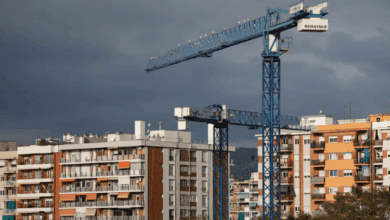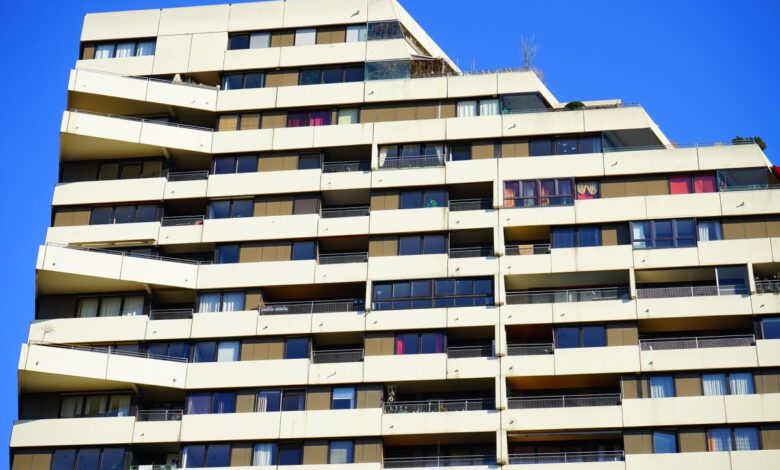
Barcelona rental market hits new highs
In 2025, Barcelona ranked second among European Union cities in terms of the share of income residents spend on rent. According to European analysts, only in Lisbon do tenants have to give up a larger portion of their salary for housing. In the Catalan capital, this figure reaches 74%, significantly exceeding the European average.
Why such high prices? Demand, geography, and stagnant incomes
Real estate market experts attribute the situation to a combination of factors. Barcelona has a high building density and very few new plots available for development. The city is hemmed in by the sea and mountains, making expansion of the housing stock impossible. Constant demand from foreign tenants and tourists—who are willing to pay more than locals—drives prices higher. Meanwhile, wages in the region are not keeping pace with rental growth, making housing increasingly inaccessible for residents.
In recent years, Catalan authorities have introduced additional regulations for the rental market, but this has led to a nearly 19% drop in supply. Investors have become less willing to invest in residential real estate, and some apartments have exited the long-term rental market.
Comparison with other European cities
The situation varies across other EU countries. In Berlin, Paris, and Oslo, renters spend between 40% and 45% of their income on housing—significantly less than in Barcelona. These cities offer higher salaries, greater housing availability, and a broader social rental sector. In Finland, for example, rental prices have even declined over the past decade, while growth has been minimal in Italy and Cyprus.
At the same time, in Eastern European countries like Hungary and Lithuania, there has been a sharp increase in rental prices, but initial costs were much lower than in Spain. In Central and Northern European cities, thanks to well-developed government support systems, the burden on renters remains moderate.
General trends: Europe faces a housing affordability crisis
The issue of high rental costs is impacting not only Spain. Over the past decade, average rent across the EU has risen by 58%, while incomes have grown by only 25–30%. In major cities such as Dublin, Luxembourg, and Stockholm, demand for housing is outpacing new construction. According to municipal estimates, nearly 40% of European mayors consider rental prices unaffordable for most residents.
In Barcelona, the situation is worsened by a mix of global demand, stagnating wages, and a shortage of public housing. As a result, the city faces one of the most acute rental market challenges in Europe. In the coming years, housing affordability will remain a top priority for both local and European authorities.