The demographic situation in Badajoz in 2026 is drawing keen interest from locals and analysts alike. The population growth is impacting the economy, infrastructure, and balance of power in the region. While many Spanish cities are losing residents, Badajoz shows resilience and even growth, becoming a topic of discussion at all levels.
The city of Badajoz, located on the border with Portugal, continues to hold its status as the largest urban center in Extremadura. According to the latest data, it is home to 150,209 people. This is not only an absolute record for the region, but also a figure that puts the city among the medium-sized cities nationwide. Within Extremadura itself, Badajoz has long had no competition in terms of population, and on the national stage, it is frequently compared to cities like Logroño, Lleida, and Salamanca.
Province in detail
The province of Badajoz holds a special place on the map of Spain. With a population of 665,155, it is not only the most populous in Extremadura but also the largest by area among all provinces in the country. This creates a unique balance between urban and rural areas and influences resource distribution and infrastructure development.
In the population ranking among Spanish provinces, Badajoz holds 25th place out of 50, underscoring its national significance. Within the region, it is home to more than half of the autonomous community’s residents, leaving neighboring Cáceres far behind. Such a demographic advantage grants the province political and economic influence and shapes budget allocation priorities.
Leading Cities
Beyond the capital, the province boasts several cities that play key roles in the region’s life. Mérida, with a population of 60,225, is not only the administrative center of Extremadura but also a cultural gem with a rich Roman heritage. Don Benito, home to 37,485 people, stands out as a hub for agricultural and industrial activity as well as an important transport junction.
Almendralejo, with 33,948 residents, has long established itself as the capital of winemaking and agri-industry. Villanueva de la Serena (25,751 people) is closely connected to Don Benito, together forming a strong economic tandem. Completing the top five largest cities is Zafra, with a population of 16,672. The city is renowned for its history, trading traditions, and advantageous location in the province’s south.
Historical Roots
Badajoz did not always bear its current name. Founded in the 9th century during Muslim rule, the city was known as Baṯalyaus. Back then, it served as an important fortress, controlling strategic routes in the western Iberian Peninsula. Over time, the city transformed many times, but it always remained a key point on the border between different cultures and states.
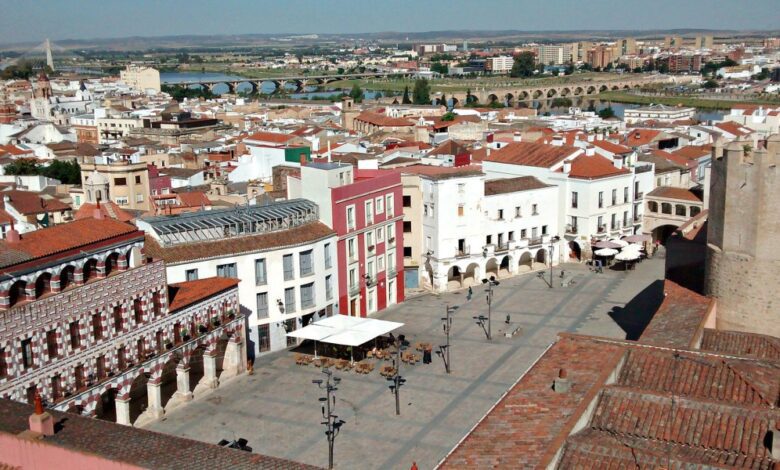
The historical legacy of Badajoz is still tangible today: ancient walls, fortresses, and architectural landmarks remind us of its turbulent past. This not only attracts tourists but also shapes a distinct identity among locals, who take pride in their city and its history.
Life in Badajoz
Modern Badajoz offers residents a unique blend of tranquility and well-developed infrastructure. The cost of living here is significantly lower than in most cities of similar size in Spain, especially when it comes to real estate. This attracts both young professionals and families seeking comfort and affordability.
The city boasts modern medical facilities, educational centers, and green recreational areas. Its cultural life is rich with festivals, exhibitions, and traditional celebrations, making Badajoz appealing not only to locals but also to newcomers. Proximity to Portugal opens up additional opportunities for business and tourism, while the mild climate encourages an active lifestyle year-round.
In recent years, there has been a trend of more young families and professionals choosing Badajoz as their permanent home. This choice is driven not only by economic advantages but also by a sense of safety, a well-developed social infrastructure, and opportunities for career advancement.
Badajoz is not just the largest city in Extremadura, but also a major focal point for the entire region. Its demographic stability, historical heritage, and modern living conditions make it a unique example of successful development amid the demographic challenges facing Spain.
Badajoz is a city with a rich history and a strategic location on the border with Portugal. Founded in the 9th century, it evolved from a Muslim fortress into the modern administrative and economic center of the region. Today, Badajoz is not only the largest city in Extremadura, but also an important cultural, educational, and transport hub that continues to attract new residents and investors, while preserving its unique atmosphere and traditions.