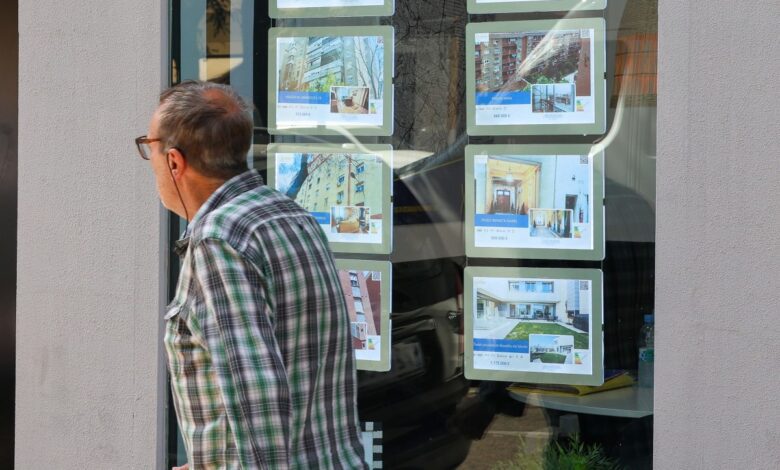
In the third quarter of 2025, Spain’s real estate market showed a momentum not seen since the mid-2000s. Over the year, the price of market-rate housing rose by 12.8%. This is the highest increase in the last 18 years, beating the previous record set in 2007. The impressive surge in prices has been noted across almost the entire country, with some regions experiencing explosive growth.
Experts point out that such a sharp price increase came as a surprise even to seasoned analysts. Demand for housing is not only holding steady but continues to rise despite high prices. As a result, Spain has posted positive property values for 46 consecutive quarters. For many buyers, this has become a real challenge as housing affordability is rapidly declining.
Resale Market Hits Records
Particular attention is being drawn to the resale housing segment, where prices have jumped by 13.4% compared to the same period last year. This is an all-time record. Newly built homes are also rising, albeit at a slightly slower pace—up 9.7% year-on-year. Nevertheless, even these figures are striking against the backdrop of the general economic situation.
Analysts emphasize that such a significant rise in the price of resale housing is due to limited supply and steady demand. Many investors and private buyers prefer to purchase ready-to-move-in properties, which further fuels the market. As a result, prices for pre-owned apartments and houses are reaching new record highs.
Geography of price growth
In the third quarter of 2025, all autonomous communities and both autonomous cities in Spain recorded double-digit increases in housing prices. The leader was Murcia, where property prices jumped by 15%. Aragón saw a rise of 14.6%, and both Ceuta and Melilla climbed by 14.5%. In Castilla y León, prices increased by 14.4%, in Madrid by 14.2%, and in La Rioja by 14.1%.
Nevertheless, even in regions with more moderate growth, stability remains elusive. In Navarra, prices rose by 10.9%, in Catalonia by 11.3%, and in the Basque Country and Castilla-La Mancha by 11.6%. Thus, no region has escaped the nationwide trend of rising housing prices.
Causes and consequences
Experts attribute this rapid increase in housing prices to a combination of factors. First, demand remains strong from both local residents and foreign buyers. Second, the supply of new properties is limited, and bureaucratic procedures are delaying the completion of new housing. In addition, low mortgage interest rates continue to drive demand, despite rising loan costs elsewhere in Europe.
The impact of this price surge is now being felt not only by buyers but also by renters. The rental market is also reacting to the rising cost of real estate, leading to higher rental prices. As a result, many families are being forced to reconsider their plans to buy or rent an apartment, while young professionals are increasingly postponing the decision to purchase their own home.
Looking Ahead
The real estate market in Spain remains tense. Despite record figures, experts are hesitant to predict a slowdown in price growth anytime soon. Some analysts believe the market could face a correction if demand drops or lending conditions change. However, for now, the trend remains positive, and interest in Spanish property shows no signs of waning.
In the coming months, all eyes will be on the government’s and banks’ actions, which could impact housing affordability. Issues such as market regulation, support for young buyers, and incentives for new construction are becoming increasingly pressing. Spaniards are anxiously watching these developments, as the price per square meter continues to climb and the dream of owning a home is becoming ever more elusive for many.
In case you didn’t know, the Instituto Nacional de Estadística (INE) is Spain’s main institution responsible for collecting and analyzing statistical data nationwide. The INE publishes the official housing price indices used to assess the state of the real estate market. The institute’s data is considered the most authoritative and is regularly used by the government, banks, and analysts to make economic decisions.