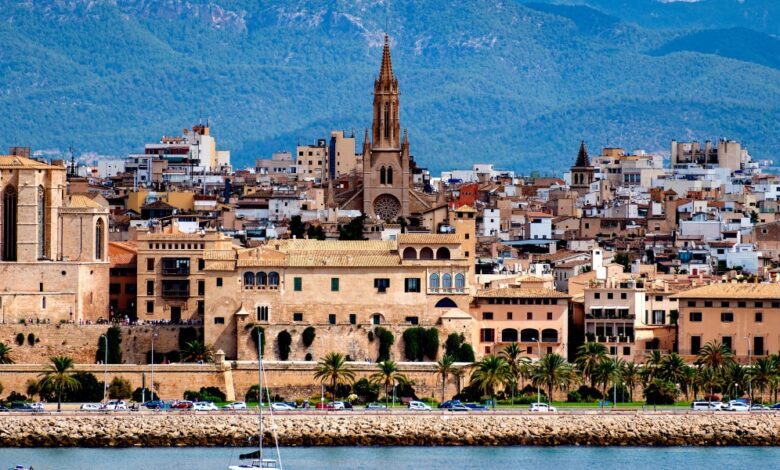
Urban life by the sea: infrastructure and daily living
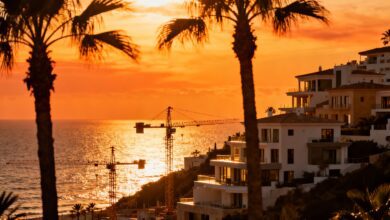
Palma (Palma) on Mallorca has long been a magnet for those who appreciate a blend of historical heritage and modern comforts. In the city center, historic buildings, lively squares, and quiet residential neighborhoods sit side by side. A well-developed transport network, including an international airport and seaport, ensures easy access to both other parts of the island and mainland Spain. The city is home to modern hospitals, private clinics, and public health centers, providing a high standard of medical care. Urban transportation includes buses, a metro system, and bike lanes, allowing residents to quickly reach any district. The cultural scene is vibrant: theaters, exhibitions, festivals, and diverse gastronomic events are available year-round. Proximity to beaches and nature trails offers an especially varied lifestyle.
Palma’s neighborhoods: where to look for housing
Choosing where to live in Palma depends on personal preferences and budget. The historic center (Ciutat Antiga) attracts with its old-town charm, proximity to major attractions, and vibrant cultural life. This area is ideal for those who appreciate architecture and want to be in the heart of the action. The neighborhoods of Santa Catalina, Son Armadans, and Marítim are known for their cosmopolitan vibe, trendy restaurants, and lively markets. Those seeking tranquility often choose Génova, Bonanova, or Sant Agustí—these districts are famous for their panoramic views, family-friendly atmosphere, and closeness to nature. The seafront areas of Portixol and Molinar have become especially popular in recent years thanks to promenades lined with cafes and restaurants, as well as their immediate proximity to the sea. For those seeking privacy and a high level of comfort, Son Vida—with luxury villas and golf courses—and the outlying neighborhoods, where property prices are lower but infrastructure remains excellent, are great options.
Financial considerations: costs and comparison with other islands
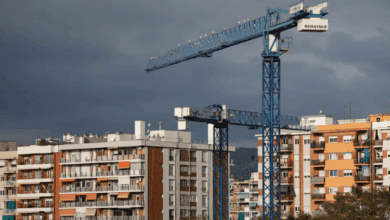
Living in Palma comes with considerable expenses, particularly when it comes to housing. In 2025, the average price per square meter is around €5,000, while in upscale areas like Son Vida or Portitxol, prices exceed €7,000–8,000 per square meter. More affordable options can be found in suburban neighborhoods, where prices drop to around €3,000 per square meter. Transportation costs remain moderate: a monthly public transport pass is about €40. A weekly grocery basket for a family of four ranges from €80 to €120, depending on preferences and chosen stores. Dining at a mid-range restaurant costs €20–35 per person. For comparison, housing prices are higher in Ibiza (Ibiza), especially during the season, and lower in Menorca (Menorca), but there, infrastructure and variety of services are more limited. Palma stands out for its variety of offerings and stable prices outside the tourist peak.
Pros and cons of living in the Balearic Islands’ capital
Palma attracts residents with its mild climate, well-developed infrastructure, and plenty of leisure opportunities. With over 300 sunny days a year, you can enjoy sports and outdoor activities all year round. The city offers international schools, modern medical facilities, and convenient public transport. However, high demand for housing is driving prices up, especially in popular neighborhoods. In summer, the influx of tourists increases, leading to busier streets and higher service prices. Despite these challenges, many locals find that the benefits of living in Palma outweigh the drawbacks, and the variety of neighborhoods makes it easy to find the perfect fit for everyone.