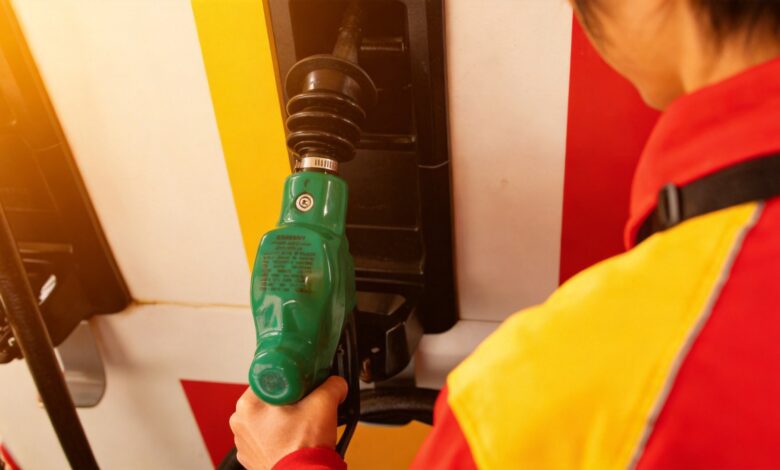
A sharp increase in fuel prices in Australia has prompted the authorities to take an unusual step: for the next two months, the country has allowed the use of petrol with a higher sulfur content. This move is a response to the threat of shortages and a rapid rise in prices at gas stations, which has already affected millions of drivers. With regular oil supplies disrupted and global markets rattled by conflict in the Middle East, the Australian government has decided to temporarily relax environmental standards to stabilize the domestic market.
Minister for Climate Change and Energy Chris Bowen announced that for 60 days, the import and sale of fuel with increased sulfur content will be permitted. This measure will add around 100 million liters of petrol per month to the local market — previously, this volume was exported. Priority will go to regions experiencing shortages as well as to independent distributors. According to the minister, fuel consumption in Australia has not changed, but logistical disruptions and spikes in demand have forced authorities to seek unconventional solutions.
Causes and consequences
Global instability caused by the war in Iran has led to rising oil prices and supply disruptions. This has affected not only Australia but also Europe, where, according to RUSSPAIN, the cost of petrol and diesel in Spain has surged by dozens of percent in recent weeks. In March 2026, a liter of 95-octane petrol in Spain was already priced at €1.707, while diesel reached €1.830. Although prices have not yet hit historic highs, the trend is alarming for both drivers and businesses.
Until December 2024, Australia enforced a strict limit—no more than 10 parts per million of sulfur in gasoline. This regulation has now been temporarily lifted to prevent fuel shortages and public panic. Authorities insist that current fuel supplies are sufficient, and companies are required to maintain a 32-day reserve. However, demand for diesel has risen sharply, and the government urges citizens not to stock up unnecessarily.
Response and alternatives
In response to the crisis, countries that are members of the International Energy Agency agreed to release 400 million barrels of oil from strategic reserves. This measure had only been used in 2022, when the war in Ukraine began. Despite these efforts, the situation in Spain remains tense: prices keep hitting record highs, and heavily fuel-dependent sectors—such as transport and driving schools—are demanding government support.
There is public debate about whether the Australian scenario could happen in Spain. So far, the authorities are making promises but are in no hurry to change fuel quality standards. Many recall the 2022 subsidies, and there is now discussion about the possible temporary use of less environmentally friendly fuel. According to Car Expert, Australia’s decision was a last resort to prevent disruptions and stabilize the market.
Spanish context
In Spain, where fuel quality standards are among the strictest in Europe, such relaxations are not currently under official consideration. However, pressure from industry associations and growing public discontent could change this. According to russpain.com, if the crisis drags on, authorities might introduce temporary concessions to prevent transport shutdowns and a rise in food prices. Various support scenarios are already being discussed, including releasing reserves and possible tax incentives.
Whether Spain should follow Australia’s example remains an open question. It is important to remember that each country chooses its own path based on market specifics and priorities. You can read more about the outlook for fuel price increases and possible support measures in the article on the prospects for gasoline prices in Spain.
Chris Bowen has served as Australia’s Minister for Climate Change and Energy since 2022. During this time, he has repeatedly initiated reforms in energy and environmental policy, but his current decision has become the most controversial of his career. The introduction of temporary relaxations in fuel quality sparked heated debate among environmentalists and industry representatives. Despite criticism, Bowen insists that ensuring stability and fuel availability for the public and businesses remains the priority. His actions are now being closely watched in other countries where the oil market situation remains tense.