In major Spanish cities, where the pace of life is especially fast, many people prefer taxis over public transportation. This choice is often driven by the desire to save time, as taxis help avoid long waits and get to your destination more quickly. However, taxi fares are usually higher than those for the metro or bus, and the total cost is not always known in advance.
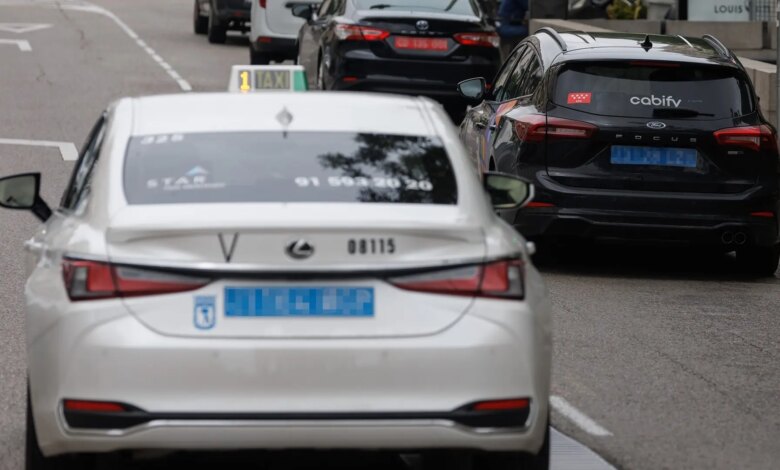
On the roof of most Spanish taxis, you can see a light indicator with a number. This number shows the current fare, which depends on the time of day, day of the week, and route specifics. Most municipalities in the country use three main fare types. The first, most affordable, applies during the day. The second is in effect at night, as well as on weekends and holidays. The third is intended for special cases, such as trips to the airport or outside the city.
In some regions of Spain, local authorities set additional fares. For example, separate rates may be introduced for short trips, fixed fares, or service on specific dates. That’s why it’s important to pay attention to the number displayed on the taxi’s meter: it indicates the pricing conditions for your trip.
In Madrid, the taxi fare system is particularly detailed. There are several payment options, each designed for specific situations. The daytime rate applies on weekdays from 7:00 a.m. to 9:00 p.m. During this period, the minimum boarding fare is €2.55, and each kilometer costs €1.35. If the taxi is stuck in traffic or moving very slowly, the waiting time is charged at €26.50 per hour.
At night, as well as on weekends and public holidays, the starting fare increases to €3.20, and the cost per kilometer rises to €1.50. The hourly waiting rate during this period is €28.50.
For trips from the airport, if the destination is outside the M-30 ring road and the distance does not exceed 9 kilometers, a special rate applies: the boarding fare is €22, after which the regular daytime rate is used. If the route is between the airport and any point within the M-30, a fixed price of €33 applies.
There are also other rates, for example, for routes starting at Atocha or Chamartín stations, bus terminals, or at the IFEMA exhibition center. If the trip is shorter than 1,450 meters, the fare is €7.50 regardless of the time of day.
On holidays such as December 24 and 31, a surcharge of €6.70 is added to the final fare. This applies to trips ending between 9:00 p.m. and 7:00 a.m. the next day, except for fixed-rate routes between the airport and the city center.
Thus, the taxi fare system in Spain is designed so that passengers can estimate the cost of their trip in advance and avoid unexpected expenses. Paying attention to the number on the meter display will help you choose the best option and avoid misunderstandings when paying.