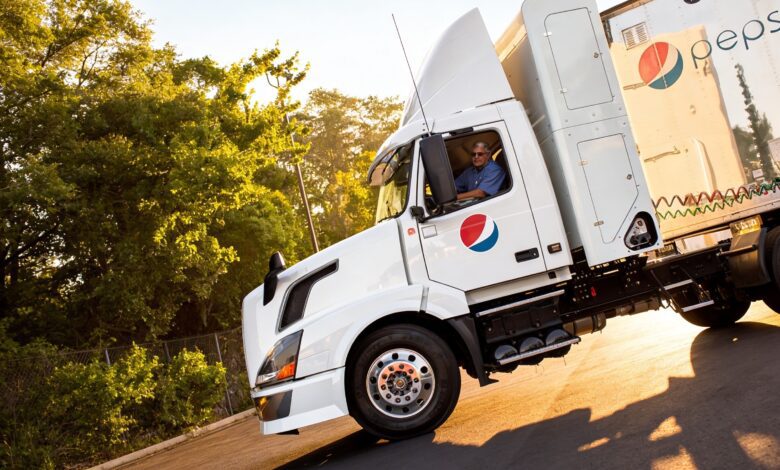
PepsiCo has committed to the electrification of heavy transport by replacing eight diesel trucks with fully electric vehicles for intercity routes in India. This move allows the company to not only reduce emissions but also lower fleet maintenance costs. The new electric vehicles are already operating on routes between Kosi (Uttar Pradesh) and Pataudi (Haryana), covering about 115 kilometers per trip. There are plans to expand service routes soon, including into the Delhi metropolitan region.
The shift to electric transport was made possible through PepsiCo’s collaboration with Vayudoot Road Carriers, a logistics partner with twenty years of experience. Instead of purchasing new vehicles, the company chose to retrofit existing Tata Motors and Eicher Motors models using Kalyani Powertrain solutions. This approach accelerates the transition to sustainable logistics and utilizes current infrastructure, which is especially important for developing markets.
Savings and sustainability
According to RUSSPAIN.COM estimates, the new electric fleet will cover up to 480,000 kilometers per year, with this figure likely to grow as routes expand. The main goal is to boost transport efficiency and minimize the carbon footprint. In addition to heavy trucks, PepsiCo already operates more than 400 light electric vehicles in India, including three- and four-wheel models for local deliveries.
The company is not limited to electric vehicles. In some regions of India, PepsiCo uses compressed natural gas (CNG) vehicles to make its logistics chain even cleaner and more sustainable. This comprehensive approach allows them to adapt flexibly to infrastructure limitations while gradually reducing dependence on traditional fuels.
Technologies and challenges
The shift to electric traction comes with a number of challenges. The main ones are a shortage of charging stations and limited truck range. Despite these hurdles, MAN Truck & Bus has demonstrated that modern electric trucks can already compete with diesel vehicles in terms of operating costs. For example, new MAN models charge from 10% to 90% in just half an hour at 750 kW, and the Megawatt Charging System (MCS) is expected to be introduced as soon as next year.
However, infrastructure in most countries, including India and many EU regions, is still struggling to keep up with technological progress. Fast charging is far from universally available, and in some areas even passenger electric vehicles face difficulties finding suitable stations. Nevertheless, projects like PepsiCo’s prove that a transition to greener transport is already possible today if flexible solutions and partnership models are used.
Global trends
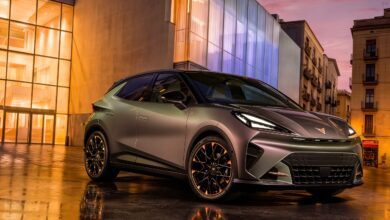
Global car manufacturers and logistics companies are increasingly focusing on electrification. In Europe, for example, electric vehicles are already starting to push familiar brands off the market, as seen with the Cupra Raval, which experts believe could reshape the urban electric car segment. Read more about how new electric car models are impacting the market in the article about the unexpected success of Cupra Raval.
In India, where both population density and pollution levels are especially high, initiatives like those at PepsiCo have become not just an experiment but a necessity. Each year, more companies invest in green technologies not only to meet new standards but also to shape their image as responsible businesses.
PepsiCo, one of the world’s largest producers of beverages and food, is actively introducing innovations in logistics and production. The company operates in more than 200 countries, and its sustainability strategy includes reducing emissions, switching to renewable energy, and implementing green transport solutions. In India, PepsiCo is not only expanding its electric vehicle fleet but also supporting local initiatives to reduce air and water pollution, making it one of the leaders in corporate responsibility in the market.