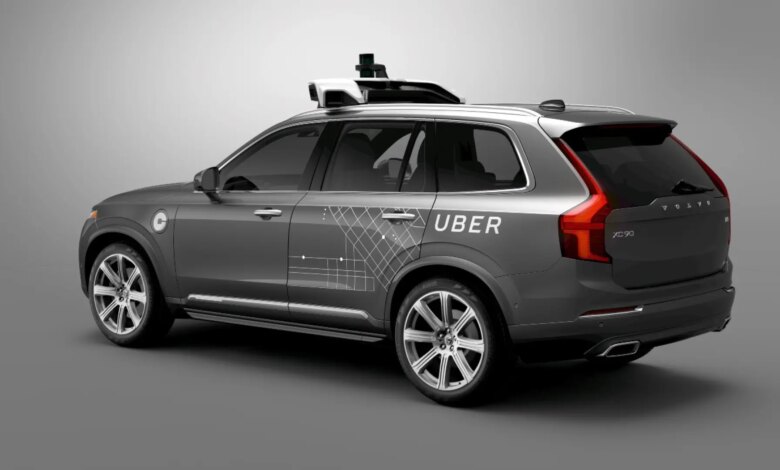
The Spanish capital is bracing for major changes: Uber has announced the launch of its autonomous vehicle service in Madrid. This decision could completely transform urban transportation and raise questions about the future of the driver profession. In the coming years, Madrid’s streets will become a testing ground for technologies that until recently seemed like science fiction. The introduction of robotaxis promises not only convenience but also new challenges for residents and businesses.
The race for autonomy
In recent years, the transportation market has witnessed a true technological race. Global giants like Waymo (a Google subsidiary) and Tesla are already actively testing self-driving cars in the US and Asia. Not wanting to fall behind, Uber is focusing on Europe and has chosen Madrid as a key location for its expansion. The company aims to create the world’s largest fleet of autonomous vehicles by 2029, and Spain is now part of this ambitious plan.
For now, Uber’s autonomous vehicles in Madrid will operate in test mode. At the first stage, a human will remain behind the wheel to ensure safety and take control if needed. This approach helps minimize risks and prepares the city’s infrastructure for the arrival of fully autonomous vehicles.
Three implementation stages
The transition to autonomous transportation will take place in stages. First—tests with a safety driver, then—limited trips without human involvement, and only after that—a full integration of robotaxis into the urban environment. Experts estimate that each stage will take at least a year, meaning that the mass appearance of driverless vehicles on the streets of Madrid is not expected before 2028–2029.
The introduction of new technologies brings not only technical but also social challenges. Taxi drivers and traditional service operators have already expressed concerns about potential job losses. Meanwhile, innovation advocates are confident: autonomous vehicles will reduce accidents, ease traffic congestion, and make city transport more accessible.
Partners and competitors
Uber is not limiting itself to its own developments. To implement its project in Madrid, the company is involving leading car and technology manufacturers. In various cities around the world, Uber already collaborates with Hyundai, Mercedes, and Lucid, and is also integrating Waymo vehicles into its platform. This approach enables the service to scale rapidly and offer users a wide range of transportation solutions.
However, competition in the autonomous transportation market is only intensifying. In addition to Uber, other tech giants are preparing their own projects in Europe. In the coming years, Madrid could become a battleground for true leadership in the robotaxi sector, where not only profit is at stake, but also the future of urban mobility.
Financial results and challenges
Uber’s financial results over the past year show steady growth. The company increased its revenue by 18%, and net profit surpassed $10 billion. However, expenses are also on the rise: in the last quarter alone, profit dropped by almost 96% due to higher costs and reduced tax benefits. Despite this, Uber’s management remains confident in the success of its autonomous services strategy and continues to invest in technology development.
A 5.5% drop in stock value has not curbed the company’s ambitions. More than 200 million users worldwide use the Uber platform for daily rides, and the launch of robotaxis in Madrid could mark a new chapter for the brand. The Spanish market is seen as key for further expansion in Europe and beyond.
In the coming years, Madrid residents will witness a unique experiment that could transform not only the city’s transportation system but also the daily lives of millions. The only question is how quickly society and infrastructure can adapt to these new realities.
Uber is an international technology company founded in 2009 in San Francisco. Over the years, the brand has grown from a startup into one of the largest players in the ride-hailing and delivery market. In Spain, Uber has been operating actively since 2014, providing services in the country’s largest cities. In recent years, the company has focused on developing autonomous technologies, partnering with leading automakers and IT companies. Uber is led by Dara Khosrowshahi, who is known for his commitment to innovation and large-scale projects. The introduction of robotaxis in Madrid could become one of the most significant milestones in the company’s history and set a new standard for the entire industry.