Experts in Spain are increasingly noting that cars used mainly in urban environments lose their performance qualities much faster than those that spend most of their time on highways. This conclusion was drawn based on an analysis of engine operation under different driving conditions.
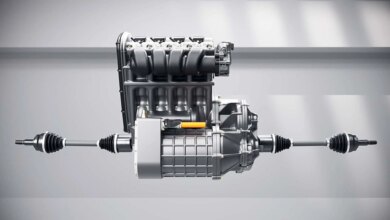
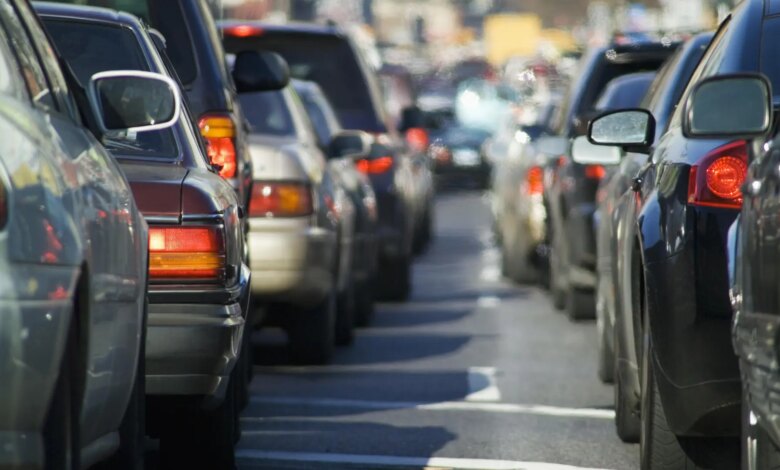
Mechanics point out that when driving on city streets, such as in Madrid, drivers often have to shift gears, stop at traffic lights, accelerate suddenly, and brake abruptly. As a result, the engine runs at higher RPMs, and the number of engine cycles for the same distance increases significantly.
To illustrate, specialists provided a calculation: to cover 100 kilometers on the highway in fifth gear, the engine completes about 150,000 revolutions. However, covering the same distance in the city using first gear results in around 750,000 revolutions. This means that during city driving, the load on the engine increases fivefold compared to motorway travel.
Additionally, constant stops, acceleration, and braking cause extra wear not only on the engine but also on other parts of the car. In the city, the gearbox, braking system, and clutch are subjected to greater stress. All of this shortens the lifespan of the vehicle and raises maintenance costs.
Another important factor is fuel consumption. On the highway, the car moves at a constant speed, allowing the engine to run at minimal RPM and save fuel. In the city, frequent speed changes and the need to keep the engine running at high revolutions lead to increased consumption of gasoline or diesel.
Experts emphasize that to extend the lifespan of a car, it is recommended to alternate between city and out-of-town trips whenever possible. Regular highway driving helps reduce the load on key components and lessens overall vehicle wear.
Thus, the specifics of vehicle use in Spanish cities directly affect their technical condition. Drivers should take these factors into account when planning routes and servicing their cars.