The issue surrounding the construction of a waste facility in Montecarmelo has once again become a focal point for Madrid residents. Decisions made by the city administration could reshape not only the district’s infrastructure but also public trust in local authorities. The future of the facility has turned into a symbol of the contradiction between official statements and actual actions.
Announcement and reaction
At a meeting of the Fuencarral-El Pardo district administration, an official statement was made: there will be no waste facility in Montecarmelo. City representative José Antonio Martínez Páramo announced that the city is abandoning plans to place SELUR at the previous site. According to him, only premises for 30 workers servicing Montecarmelo and Mirasierra will remain—without equipment, gas stations, or garbage trucks.
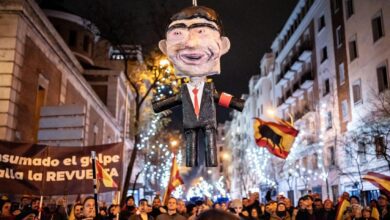
However, residents responded to the news with skepticism. They recalled that similar promises had been made before, and the administration’s official position has not changed. City officials confirmed that no new decisions have been made and the project remains the same. Meanwhile, the opposition was quick to claim victory, despite the project details remaining unchanged.
Doubts and contradictions
Residents of Montecarmelo and activists from the No Al Cantón platform believe the authorities continue to mislead them. They point out that over the past three years, they have repeatedly heard assurances that there would be no industrial facility, yet official documents indicate otherwise. In their view, changes to the project do not reflect a genuine withdrawal from plans to build a waste complex.
The situation is further complicated by the fact that the project has already been handed over to the contractor Urbaser, and the 10,000-square-meter plot is officially designated for SELUR equipment and operations. Residents also highlight discrepancies in the stated number of workers: there are no more than six employees in the area, not thirty as claimed by the administration. Additionally, the project is set to serve not only Montecarmelo and Mirasierra but also other districts, including Las Tablas, Tres Olivos, Valverde, Barrio del Pilar, and Arroyo del Fresno.
Political statements and legal nuances
Authorities claim to have held more than ten meetings with residents’ representatives and to have taken their concerns into account. According to Martínez Parámo, the administration is not only abandoning the industrial facility but also plans to repurpose the site as a park. However, activists see these statements as an attempt to shape public opinion ahead of elections. They recall that before the previous elections in 2023, authorities had already promised to relocate the facility, but it ultimately ended up next to residential buildings and schools.
Madrid Deputy Mayor Inma Sanz stated that there is misinformation circulating about the project, especially from the opposition. She emphasized that no new decisions have been made but described the prospect of a new park as a positive development. Meanwhile, the specifics of the contract and legal proceedings remain unclear, and residents are demanding official documents and that any changes be formally registered in court, given that the issue is still under review.
Context and consequences
The dispute over the waste facility in Montecarmelo illustrates a familiar situation in Madrid, where official promises do not always match actions on the ground. In recent years, conflicts have repeatedly arisen in the capital over the placement of infrastructure projects near residential neighborhoods. For instance, in 2024, residents of Vallecas also protested against the construction of an industrial complex, fearing a negative environmental impact. These tensions often lead to legal battles and require lengthy negotiations between residents and the administration. As El Pais notes, a lack of transparency and clear guarantees from authorities contributes to public mistrust and provokes new protests.