In Barcelona, the judge in the case concerning possible assistance in Carles Puigdemont’s escape has dropped all charges against three mossos d’esquadra officers. The decision to close the case was made after two years of investigation, during which no evidence was found of their involvement in organizing the former Catalan leader’s escape. The judge noted that none of the facts presented confirmed any collusion between the police officers and Puigdemont, and there was also no trace of contact between them on the day of the incident.
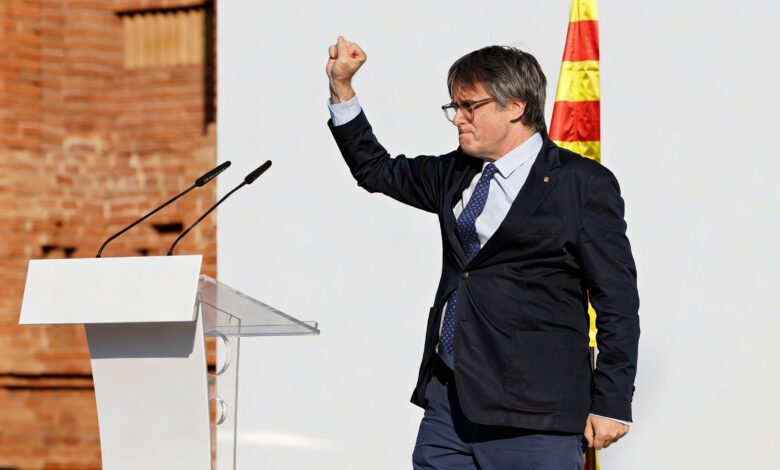
The events took place on August 8, 2024, when Puigdemont, who was at risk of arrest, unexpectedly appeared at a large public event in Barcelona and then disappeared from police view. According to the court, the three mossos d’esquadra were in the area of paseo de Lluís Companys, where the event was held, but their presence was not accompanied by any actions that would indicate assistance in the escape. The judge emphasized that video footage showed them without uniforms, unarmed, and not performing any operational duties.
During the investigation, none of the witnesses reported any material support from the accused police officers. At the same time, an internal police report suggested that the mossos d’esquadra allegedly accompanied Puigdemont and provided him protection. However, the court concluded that these officers did not have the authority to detain on their own, and had not received orders from their superiors. The judge specifically noted that the criminal code does not provide for punishment for passivity in such situations unless active assistance can be proven.
The case sparked widespread public outcry and cast doubt on trust in the Catalan police. All three mossos d’esquadra were temporarily suspended from duty pending the investigation. The court’s decision provides for the possibility of appeal by private prosecutors, among whom are Vox and Hazte Oír. It is important to note that similar high-profile cases involving law enforcement actions have repeatedly become a subject of discussion in Spain—for example, in Madrid, a case was recently considered regarding surveillance of the former PP treasurer, where key witnesses testified in court (details about the Kitchen case hearings).
In the final ruling, the judge emphasized that no correspondence, phone calls, or other forms of communication between the mossos d’esquadra and Puigdemont were identified. The investigation found no evidence suggesting intentional dereliction of duty or attempts to conceal the whereabouts of the former president. Thus, at this time, all charges against the police officers have been dropped, and their further service will depend on any possible appeals.