Buñol hosted 22,000 people for La Tomatina, throwing 150 tons of tomatoes. Most participants were foreigners. Four people were treated after a pepper spray incident. The event included new accessibility measures.
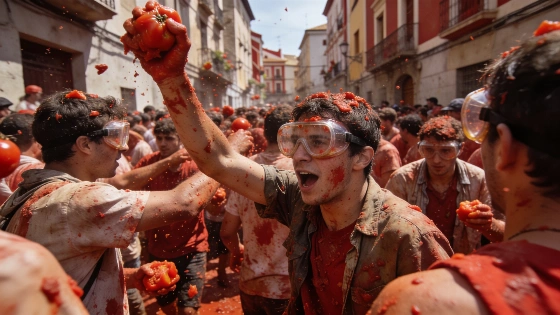
Buñol, a small town in Valencia province, was transformed into a sea of red as 22,000 people—mostly international visitors—descended on its streets for the annual La Tomatina festival. This year’s event saw 150 tons of ripe tomatoes hurled in a chaotic, high-spirited celebration that has become a global attraction. The town, with a population of just 9,800, was temporarily overwhelmed by the influx, as participants from countries including Australia, India, and Japan joined locals in the famous tomato fight.
The festival, rooted in a spontaneous food fight that broke out in 1945, has evolved into a highly organized event. Entry is ticketed, with 15,000 places reserved for foreigners and the remainder for Buñol residents. Seven trucks delivered the tomatoes—grown specifically for the event and unsuitable for eating—from Don Benito in Badajoz. Participants, many wearing goggles and old clothes, prepared for the messy battle by gathering around the traditional Palo de Jabón, a greasy pole climb for a ham prize, before the main event began.
Despite the festive atmosphere, this year’s Tomatina was not without incident. Four people required medical attention after someone released pepper spray in the crowd, according to municipal sources. Local authorities and volunteers worked to maintain safety, with those riding in the tomato trucks secured by harnesses and others ensuring no one was caught under the wheels as the vehicles moved through the packed streets.
For many, the appeal of La Tomatina lies in its unique blend of chaos and camaraderie. Visitors from Japan described the event as the opposite of their own festivals, highlighting the uninhibited interaction and energy. Indian participants compared it to Holi and Diwali but noted the more unrestrained nature of the Spanish celebration. Italian attendees, covered head to toe in tomato pulp, said they planned to return, drawn by the joyful atmosphere and the sense of collective fun.
Locals experience the festival differently, with some choosing to watch from a distance while others join the fray. The event’s popularity continues to grow, with 45 national and international media outlets and over 400 journalists, photographers, and content creators covering this year’s edition. The town also introduced new accessibility measures, including personalized assistance for people with disabilities, expanded volunteer teams, and pictograms throughout the festival area, aiming to make the event more inclusive.
In a nod to local issues, a Buñol school encouraged participants to wear green in solidarity with public education teachers, referencing recent strikes in the Valencian Community. La Tomatina remains a symbol of both tradition and adaptation, reflecting the town’s ability to host a world-famous event while responding to new challenges and demands.
La Tomatina is recognized as one of Spain’s most distinctive festivals, drawing thousands of tourists each year and contributing significantly to the local economy. The event’s origins in a post-war food fight have given way to a carefully managed spectacle that balances tradition, safety, and international appeal. Its continued success highlights the enduring power of communal celebration in Spanish culture.