After nearly a decade of saving, Cindy Mora secured land for her family but could not afford to build. Thanks to a partnership using recycled plastic blocks and hundreds of volunteer hours, she and her son received a permanent home in Costa Rica.
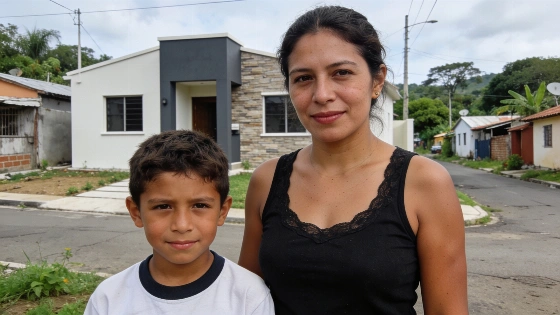
On May 26, 2018, Cindy Mora and her six-year-old son Fabrizio moved into a new home in the Lámparas neighborhood of Alajuelita, San José province. The house, however, was unlike any other in the area: its walls were constructed from more than seven tons of recycled plastic, a solution born from necessity and collaboration.
Cindy, a single mother working as a cleaner, spent nine years saving enough to buy a small plot of land. Even after securing the property—reportedly with the help of a loan—she faced the harsh reality that building a house was financially out of reach. Determined to provide stability for her son, she sought assistance from organizations focused on affordable housing.
Turning Plastic Into Shelter
Her case caught the attention of a partnership between Procter & Gamble, Hábitat para la Humanidad, Urbarium, and Ekojunto. Together, they provided materials, organization, and volunteer labor. The project used a construction system called Bloqueplas, developed by Ekojunto, which transforms recycled plastic bottles and containers into interlocking blocks. These blocks, similar in concept to large-scale building toys, formed the core of the house’s walls. According to reports from 2018, between seven and 7.5 tons of plastic waste were repurposed for the project, resulting in approximately 850 blocks.
While the plastic blocks made up the walls, the rest of the house—foundation, roof, electrical and plumbing systems, doors, and windows—relied on conventional materials. Once assembled, the blocks were covered with plaster and paint, giving the home a traditional appearance from the outside. The recycled plastic remained hidden within the structure, protected by standard finishes.
Volunteer Effort and Fast Construction
The build was made possible by more than 800 hours of volunteer work, primarily from Procter & Gamble employees. This figure represents the total hours contributed, not the number of volunteers. Urbarium coordinated the local execution, while Hábitat para la Humanidad oversaw the selection process and ensured the project met technical and social criteria. Construction began on April 23, 2018, and was completed in just over a month, thanks to the modular nature of the plastic block system and the organized support from all partners.
Despite the innovative approach, the house was not a temporary shelter or a relocated structure. It was built directly on the land Cindy had purchased, allowing her family to remain within their established community. The project highlighted the gap between acquiring land and being able to afford a home—a challenge faced by many low-income families in Costa Rica and beyond.
A Home That Looks Like Any Other
From the street, Cindy’s house is indistinguishable from its neighbors. The facade, roof, doors, and windows all match the local style, with no visible sign of the recycled plastic inside. This was a deliberate choice, aiming to provide a sense of permanence and dignity rather than a temporary or makeshift solution. Publicly available information does not specify the home’s size, number of rooms, or total cost.
The story of Cindy Mora’s home resurfaced in July 2026, drawing renewed attention to the potential of recycled materials and community partnerships in addressing housing shortages. As noted by Talent24h, the project stands as an example of how industrial recycling, corporate involvement, and grassroots organizations can combine to create lasting change for families in need.